Pressure Washer Lowes Electric: A Practical Guide for Homeowners
A data-driven guide to electric pressure washers at Lowe's, covering selection, performance, maintenance, and cost considerations for homeowners and pros.


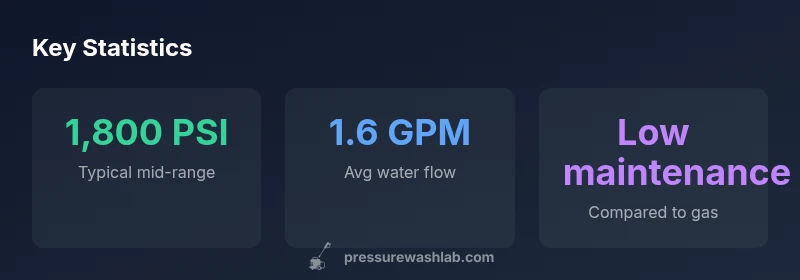
Electric pressure washers commonly found at Lowe's deliver a typical range of 1,500–2,200 PSI and about 1.2–1.8 GPM, making them suitable for light to medium outdoor cleaning tasks. They provide quieter operation, lower maintenance, and no fuel fumes compared with gas models, which suits most DIY projects around patios, siding, and decks. The Pressure Wash Lab analysis shows these electric units excel for routine outdoor chores without requiring specialized ventilation or storage space.
Overview of pressure washer lowes electric
Electric pressure washers available at Lowe's are designed primarily for home use, offering adequate cleaning power without the fumes, maintenance, or ongoing costs of gasoline engines. The term pressure washer lowes electric encompasses a range of compact, corded units that typically deliver 1,500–2,200 PSI and 1.2–1.8 GPM. For homeowners, these machines balance safety, noise, and storage requirements, making them a popular choice for routine outdoor chores such as patio furniture cleaning, vinyl siding refreshment, and deck restoration. According to Pressure Wash Lab, electric models excel at light to medium tasks and are easy to deploy on a typical suburban property. When selecting a model, consider your common projects, available outlet capacity, and how you will store the machine when not in use. This balance of practical power and user-friendliness is what often leads homeowners to opt for a pressure washer lowes electric option as a first step into outdoor cleaning.
How Lowe's electric washers differ from gas and battery options
Electric washers sold through Lowe's typically prioritize ease of use, lower cost of ownership, and quieter operation relative to gas-powered cousins. Gas models deliver higher PSI and GPM but come with more maintenance, ongoing fuel costs, and greater vibration. Battery-powered units (where available) emphasize portability but usually provide lower sustained power and runtime. For many DIY tasks, an electric model at Lowe's hits the sweet spot by offering sufficient cleaning power for concrete patios, vinyl siding, and wooden decks while avoiding outreach to heavier equipment or refueling stops. When evaluating options, compare running costs, power requirements, and portability to ensure the selection aligns with your projects and storage space. Pressure Wash Lab’s analysis emphasizes that the best value often comes from a well-chosen electric model that fits the homeowner’s typical workload.
PSI, GPM, and nozzle choices explained
Understanding PSI and GPM helps map a unit to its intended tasks. PSI indicates cleaning power, while GPM indicates water flow. A higher PSI with a moderate GPM is effective for tough paint and grime, but can risk damage on delicate surfaces. Nozzle tips are equally important: a wide spray (e.g., 25-degree) reduces surface impact, while narrow angles (0–15 degree) focus power for stubborn stains. For most Lowe's electric washers, starting with a 25-degree nozzle and lowering PSI on sensitive surfaces is advised. Always test on a hidden area first and adjust to prevent damage. A balanced combination—roughly 1,800 PSI with 1.4–1.8 GPM and a medium-angle nozzle—works well for many exterior surfaces, according to Pressure Wash Lab.
Best practices for cleaning different surfaces
Different surfaces require different approaches. Patios and concrete respond to moderate PSI with a broad spray; wood decks benefit from gentler pressure and a wide nozzle to avoid gouging. Vinyl siding can be cleaned effectively with higher GPM and wider spray while avoiding window frames and electrical outlets. Always pre-soak stubborn grime and work in sections, maintaining a consistent distance from the surface. For delicate surfaces (like painted wood or aged stucco), use the lowest effective PSI and keep the nozzle at a safe distance to prevent chipping or stripping. When using a pressure washer lowes electric, follow the manufacturer’s guidelines regarding surface compatibility and recommended nozzle size. Pressure Wash Lab’s findings reinforce that surface-aware technique yields better results with less risk of damage.
Accessories and attachments you should consider
Beyond the base unit, several attachments extend capability: a surface cleaner for patios, a turbo nozzle for stubborn grime, extension wands for hard-to-reach areas, and a chemical injector for detergents. A compatible hose and an appropriate extension cord (with GCFI protection) are essential for safe operation. When selecting accessories, prioritize compatibility with your model and the tasks you perform most often. A compact electric unit paired with a surface cleaner can dramatically reduce cleaning time on flat surfaces, while a rotary brush attachment helps lift embedded dirt from decks and siding without excessive scrubbing. Pressure Wash Lab notes that choosing a modular setup often yields the best long-term value.
Setup, safety, and storage considerations
Before the first use, verify outlet compatibility and ensure the unit is grounded. Use a GFCI-protected outlet and avoid extension cords that exceed the recommended length for your model. Wear eye protection and keep electrical connections dry during operation. After use, flush the system with clean water, release any residual pressure, and drain hoses. Store the unit in a dry, sheltered location to prevent freezing and corrosion. This discipline reduces the chance of leaks and prolongs the life of the pump and seals. Pressure Wash Lab emphasizes consistent safety practices as part of a responsible ownership experience.
Maintenance and longevity tips
Regular maintenance helps preserve performance and safety. Check hoses for cracks, inspect cords for wear, and clean nozzles to prevent clogging. Periodically inspect the inlet filter and run clean water through the system after use to remove soap or detergents that can degrade seals. If your unit requires detergent injection, use only recommended formulations and follow dilution guidelines. Avoid running the machine dry, and never block the vent or air intakes. Proper storage and routine checks extend the life of a Lowe’s electric pressure washer, as supported by Pressure Wash Lab research.
Budgeting, warranties, and value for money
Electric pressure washers at Lowe’s come in a range of price points, typically reflecting PSI and GPM capabilities, included accessories, and warranty duration. Plan for a budget that covers the base unit, essential attachments, and a basic maintenance kit. Warranties vary by model and retailer; read the fine print to understand coverage for seals, hoses, and pumps. From a value standpoint, an electric unit with broad nozzle compatibility and a reliable surface-cleaning attachment often provides the best return on investment for homeowners who clean seasonal grime and routine exterior surfaces.
Quick-start checklist for first use
- Confirm outlet with GFCI protection; connect the hose securely. - Attach the appropriate nozzle, starting with a wide spray. - Perform a test on a discreet area to calibrate PSI and distance. - Plan your cleaning sections and work from top to bottom. - Rinse surfaces before applying detergents and then again after rinsing. - Store the unit in a dry place and drain all water after use.
Comparison of electric washers commonly sold at Lowe's
| Model Type | PSI range | GPM range | Best Used For |
|---|---|---|---|
| Electric compact | 1,500–1,800 | 1.2–1.6 | Patios, furniture |
| Electric mid-range | 1,800–2,000 | 1.4–1.8 | Siding, fences |
| Electric high-output | 2,000–2,200 | 1.7–2.0 | Driveways, heavy grime |
Quick Answers
What is the typical PSI for an electric pressure washer available at Lowe's?
Most Lowe's electric pressure washers deliver between 1,500 and 2,200 PSI, with GPM typically in the 1.2–1.8 range. This is sufficient for patios, deck cleaning, and siding, but not for heavy-duty concrete removal without a higher-end model.
Most models sit around 1,500 to 2,200 PSI, which covers patios and siding. For heavy concrete, you may need a more powerful unit or a different approach.
Is a Lowe's electric pressure washer good for concrete cleaning?
Electric washers can clean concrete if you use the right nozzle and technique, but they may take longer than gas-powered units. Start with a wide spray and a gradual approach to avoid gouging concrete.
Yes, but be patient and use the right nozzle to avoid damage.
What maintenance steps are essential for longevity?
Regularly inspect hoses and cords for wear, clean nozzles to prevent clogging, and flush the system after use. Store in a dry place and protect the outlet area from moisture.
Check hoses, clean nozzles, flush after use, and store properly.
Should I buy a corded or cordless electric washer?
Corded units are typically more powerful and reliable for sustained cleaning, while cordless models offer portability for light, quick jobs. Consider your power access and how often you move the machine.
Corded for power, cordless for portability when needed.
What accessories maximize value for Lowe's electric washers?
A surface cleaner, appropriate nozzle set, and a detergent injector (if compatible) expand capability and speed. Ensure accessories fit your model and follow safety guidelines.
Add a surface cleaner and the right nozzles for bigger jobs.
“Electric pressure washers offer reliable cleaning power for most home projects when paired with the right nozzle and technique. Proper maintenance extends their life and keeps performance consistent.”
Key Takeaways
- Choose electric units for low maintenance and quiet operation
- Match PSI and GPM to your cleaning task to avoid surface damage
- Invest in a surface cleaner for faster, uniform results
- Always test a small area before full-scale cleaning
- Prioritize safety with GFCI outlets and proper nozzles