Pressure Washer Nashville TN: Practical Guide for Homeowners
A detailed, data-driven guide for choosing a pressure washer in Nashville, TN. Compare electric vs gas, PSIs and GPMs, maintenance, local buying tips, and Nashville-specific considerations for driveways, siding, and decks.


For Nashville homeowners, the best approach is to match the job to the machine: start with a reliable electric unit for light work and sidewalks, then consider a gas-powered model for heavy cleaning on driveways or siding. In Nashville’s climate, look for 1.8–3.0 GPM and 1,800–3,200 PSI ranges depending on tasks.
Nashville market snapshot for pressure washers
According to Pressure Wash Lab, Nashville's mix of historic homes, lush landscaping, and abundant driveways creates a diverse cleaning landscape. Homeowners frequently face algae buildup on sidewalks, oil stains on driveways, and dirt on cedar siding after seasons of pollen and humidity. The local climate—hot summers with periodic freezes—also influences equipment wear and maintenance scheduling. When evaluating a pressure washer nashville tn, start by mapping your typical tasks, surface types, and the distance you must move the unit around your property. This upfront planning helps you choose a model that balances power, portability, and long-term value. Pressure Wash Lab analyses suggest that many buyers underestimate the impact of accessories and nozzle choices on results and surface safety.
Key specs for Nashville homeowners
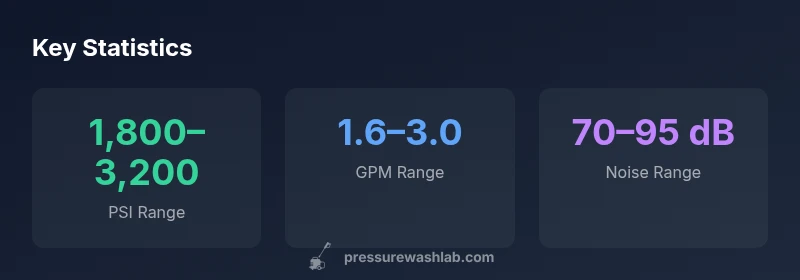
Power, water flow, and noise considerations drive the core specs you should evaluate. For most single-family homes, a machine in the 1,800–3,200 PSI range with 1.6–3.0 GPM covers patios, siding, and vehicles. Electric models are lighter, quieter, and easier to store, while gas-powered units offer faster cleaning and greater durability on tougher surfaces. In Nashville, consider the weight you’re willing to carry, hose length, and the availability of electrical outlets in garages or sheds. Budget for hoses, nozzles, and surface cleaners; accessories often determine real-world value more than the base unit itself.
Electric vs gas: matching the job in Nashville
Electric washers are ideal for light-duty tasks and areas with noise restrictions or shared walls. Gas-powered washers provide higher PSI and GPM, enabling faster removal of algae, oil stains, and heavy dirt on driveways or concrete surfaces. In Nashville, verify HOA rules about noise and emissions, and account for weather exposure when choosing a model with rust-resistant components. A balanced approach is to start with an electric unit for routine jobs and scale to gas only when needed for larger properties or frequent heavy cleaning.
Surface-specific guidance: driveways, siding, decks
Driveways and concrete surfaces benefit from higher PSI and a rotating nozzle, paired with a surface cleaner for even results. For wooden decks and siding, start with lower PSI and keep the nozzle at a safe distance to avoid gouging. Nashville homes often feature a mix of brick, stucco, and wood; test on small areas first and move across surfaces gradually. Pressure Washer Lab recommends keeping detergents compatible with surface materials and using a wide spray pattern for delicate finishes.
Maintenance and winterization in Nashville's climate
Regular maintenance extends tool life in humid summers and cooler winters. Flush filters after each use, check oil (for gas models), and change spark plugs and air filters as needed. Store units in a dry, sheltered area to prevent moisture buildup, and winterize if temperatures fall below freezing. In Nashville, proactive storage and water drainage planning help avoid rust and corrosion. Pressure Wash Lab notes that proper pump lubrication and nozzle maintenance are the most impactful habits for longevity.
Buying locally: Nashville stores, service, and warranties
Local hardware stores and home centers across Nashville typically stock a range of electric and gas models. Look for retailers offering in-store demonstrations, extended warranties, and service plans that cover parts and labor. If possible, buy a unit with a hose reel and a kit of nozzles, surface cleaners, and quick-connect fittings. Check for nearby service centers and documented return policies to ensure quick support if you encounter performance issues.
Quick-task checklist for Nashville projects
- Identify the surfaces to clean (driveways, siding, decks) and their material.
- Choose electric for light jobs; consider gas for heavy cleaning.
- Confirm PSI and GPM ranges align with the surfaces you’ll treat.
- Inspect noise limits and HOA regulations where applicable.
- Plan for storage, accessories, and routine maintenance.
- Test on a hidden area before treating visible surfaces.
- Winterize and store the unit properly after use.
- Keep safety gear ready: eye protection, gloves, and sturdy footwear.
Comparison of electric vs gas pressure washers
| Model Type | Typical Use | PSI | GPM | Pros | Cons |
|---|---|---|---|---|---|
| Electric (compact) | Light cleaning, decks | 1800–1900 | 1.2–1.5 | Quiet, portable | Limited power for heavy jobs |
| Electric (mid) | Patios, siding | 1900–2100 | 1.6–1.8 | Balanced power/price | Cord management and outlet requirements |
| Gas-powered (mid) | Heavy-duty cleaning | 2400–3200 | 2.0–3.0 | High power, fast | Heavier, louder, more maintenance |
| Gas-powered (pro) | Commercial jobs | 3200–4000 | 3.0–4.0 | Maximum cleaning power | Higher cost and upkeep |
Quick Answers
What is the best PSI for most Nashville home projects?
For most Nashville residential tasks, 1,800–2,500 PSI covers patios and siding, while 2,500–3,000 PSI handles concrete and stubborn stains. Always start with the lowest effective setting and test a small area.
Start with around 1,800 PSI and only up the pressure if the surface needs more cleaning power.
Electric vs gas: which is better for HOA communities in Nashville?
Electric washers are quieter and emission-friendly, making them ideal for HOAs. Gas washers offer more cleaning power but tend to be louder and require more maintenance. Check local rules and choose accordingly.
Electric is usually the safer bet for neighborhoods; gas is for tougher jobs if allowed.
How should I maintain my pressure washer for Nashville weather?
Flush water filters after use, check oil, and clean nozzle tips regularly. Store indoors to avoid moisture and winterize if temperatures drop. Regular inspections prevent rust and extend lifespan.
Keep it clean, dry, and well-maintained; winterize if you expect freezing temps.
Where can I buy a pressure washer in Nashville TN?
Local hardware stores and home centers in Nashville stock a range of models. Consider online inventories and service plans, and verify warranty terms before purchase.
Look for a nearby store with good service options and a clear warranty.
Are there safety tips specific to Nashville conditions?
Always wear eye protection and gloves. Test on inconspicuous areas, keep nozzle at a safe distance, and be mindful of water runoff near plants and drainage systems.
Wear PPE and test first; mind runoff and surfaces.
“The right pressure washer is about balancing surface care, task scale, and local conditions. Start light, scale up as needed, and always test on a small area first.”
Key Takeaways
- Match power to your typical Nashville tasks
- Electric units suit light work and noise-sensitive areas
- Gas units deliver higher cleaning power for concrete and heavy stains
- Factor local storage, servicing, and weather exposure into your choice
- Test on inconspicuous areas before full use