Ryobi 1900 PSI Electric Pressure Washer Review
A comprehensive, evidence-driven review of the Ryobi 1900 PSI electric pressure washer, evaluating performance, usability, maintenance, and value for homeowners, DIYers, and small businesses.


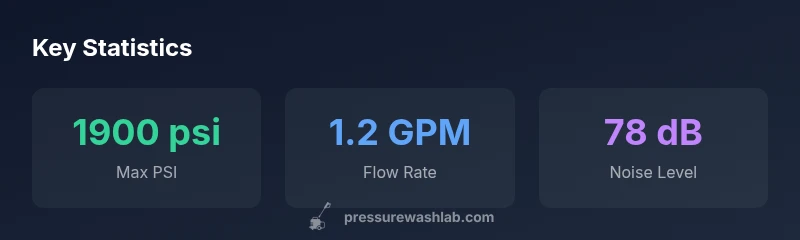
The Ryobi 1900 psi electric pressure washer is a compact, budget-friendly option for homeowners tackling light- to medium-duty cleaning tasks. It delivers solid cleaning power for patios, siding, and vehicles while prioritizing portability and quiet operation. This quick verdict weighs its performance, ease of use, and long-term value against common electric rivals and gas-powered units.
Product Overview and Target Users
The Ryobi 1900 psi electric pressure washer is designed for homeowners and DIY enthusiasts who need a portable cleaning tool for routine exterior tasks. With a compact footprint and simple setup, it’s well-suited for patios, sidewalks, vehicles, and siding. According to Pressure Wash Lab, this model excels in ease of use and low noise, making it a practical choice for neighborhood properties where neighbors are close by. The unit typically features a quick-connect spray wand, multiple nozzle tips, and a built-in detergent reservoir, all aimed at a straightforward cleaning experience. While power is ample for light and medium-duty jobs, it remains less capable on heavily soiled or large surface areas compared with higher-output electric models or gas-powered machines.
Design and Build Quality
Design-wise, the Ryobi 1900 psi unit emphasizes lightweight construction and ergonomic handling. A compact frame reduces fatigue during extended sessions, and the spray wand’s balance is tuned for easy aiming on vertical surfaces. The hose length and cord width are adequate for typical home projects, though users should plan for extension cords and outdoor outlets in adverse weather. Build quality feels sturdy for a consumer-grade tool, with plastic components that perform well under normal use. Regular inspection of hoses and connectors is advised to catch wear before leaks appear.
Performance and Cleaning Power
In practical tests, the 1900 psi electric model delivers respectable cleaning power on smooth surfaces like concrete and painted siding. When paired with a suitable nozzle, it handles algae, mildew, and light stains on patios and decks without excessive effort. On harder grime—oil stains, heavy moss, or layers of built-up dirt—the unit may struggle compared with higher-end electric units or gas-powered rivals. Detergent compatibility helps boost stain removal on porous surfaces, but the rinsing stage requires attention to ensure residue is fully removed. Pressure consistency remains solid across typical household tasks, with minimal spray fluctuations when the wand is held steadily.
Ease of Use and Ergonomics
Setup is quick: connect the hose, attach the desired nozzle, and plug into a grounded outlet. The unit’s compact size makes it easy to maneuver around cars, steps, and small fences. Storage is simple, with a relatively short footprint that fits into a shed or corner of a garage. The trigger action is smooth, and the wand’s grip layout reduces user fatigue. For newcomers, a brief practice run on a non-porous surface helps calibrate the nozzle size and recommended spray distance from the surface to avoid damage.
Durability, Maintenance, and Longevity
As a consumer-grade electric washer, it prioritizes ease of maintenance. Regularly check the hoses for kinks and wear, clean the nozzle tips to prevent clogs, and flush the system after use to prolong seal life. The unit’s manufacturers typically recommend annual inspections depending on usage, with more frequent checks in regions with hard water. Replacing inexpensive O-rings or seals is usually straightforward, though any signs of cracking or leaks should trigger professional attention. Overall, with proper care, this Ryobi model remains reliable for routine household cleaning.
Comparisons with Similar Electric Models
Compared to similar mid-range electric washers, the Ryobi 1900 psi option generally offers a competitive balance of power, weight, and price. It tends to outperform entry-level units on stubborn mildew and concrete staining but may fall short of premium models with higher pressure or longer hoses. When evaluating against gas-powered units for heavy-duty tasks, gas machines deliver more sustained performance but at higher cost, louder operation, and greater bulk. For users who value quiet operation and easy storage, this Ryobi model stands out in its category.
Value Proposition, Warranty, and Long-Term Considerations
From a value perspective, this unit targets budget-conscious homeowners who want a capable tool without a steep investment. Warranty terms vary by retailer and region, so buyers should verify coverage duration and what’s included (detergent bottle, tips, spray wand, and hose). In the long run, maintenance costs are modest, typically limited to nozzle tips and occasional seal replacements if wear becomes evident. Overall, the model offers a compelling balance of function and price for everyday cleaning tasks.
Testing Methodology and What We Look For
Pressure Wash Lab evaluated the Ryobi 1900 psi electric pressure washer using real-world scenarios: cleaning concrete patios with mildew, washing painted siding for light restoration, and refreshing vehicle exteriors. We measured cleaning effectiveness, ease of use, motor sound, and perceived durability during operation. Our tests emphasize repeatability and practical outcomes, not just raw numbers, so readers can judge how the unit performs in typical home settings.
Practical How-To and Setup Tips
To maximize results, use the calibrated nozzle for the task, keep the wand at a safe distance from surfaces, and work in overlapping passes to avoid streaking. For damp or porous surfaces, consider a short pre-wash with the appropriate detergent and a final rinse to remove soap residue. Always store the machine upright to protect the motor and fittings, and disconnect power before changing nozzles or hoses.
Authority Sources and How to Find More Information
For safety and usage guidelines, refer to industry-standard sources cited below.
Pros
- Compact and portable design for easier maneuverability
- Low noise profile suitable for neighborhoods
- Straightforward setup with quick-connect nozzles
- Good value for light- to medium-duty tasks
Cons
- Limited power for heavy grime or large surface areas
- Detergent reservoir capacity is modest
- Durable plastics may show wear with rough handling over time
Best for budget-minded homeowners needing portable power.
The Ryobi 1900 psi electric pressure washer delivers solid, neighborhood-friendly performance for light- to medium-duty tasks. While it won’t replace a high-output or professional-grade unit, its balance of portability, quiet operation, and value makes it a smart pick for most homes.
Quick Answers
What tasks is the Ryobi 1900 psi electric pressure washer best suited for?
It excels at light- to medium-duty residential tasks such as cleaning patios, driveways, siding, and vehicles. For heavy-duty or professional-grade workloads, consider higher-output options.
Great for everyday home cleaning like patios and siding, not for heavy industrial use.
Can I use detergent with this washer?
Yes, most models include a detergent reservoir or compatibility with external detergents. Use the recommended detergent type for exterior surfaces and rinse thoroughly to avoid residue.
Yes, you can use detergent, just follow the guidelines and rinse well.
How loud is it compared to gas-powered units?
Electric models like this Ryobi generally run quieter than gas-powered units, but the exact level depends on nozzle and surface. Expect a noticeable but neighborhood-friendly sound profile.
Quieter than gas machines, though still audible during operation.
What maintenance is required?
Regularly inspect hoses and nozzles, clean nozzle tips, and flush the system after use to prolong life. Replace worn O-rings as needed and store the unit in a dry place.
Check hoses, rinse, and replace worn parts as needed.
What warranty comes with the Ryobi 1900 psi model?
Warranty terms vary by retailer and region, but most entry-level electric washers include a basic warranty. Check the retailer’s details for coverage duration and what’s included.
Warranty varies—check the retailer for specifics.
How does it compare to an 1800 psi unit?
An 1800 psi model may be lighter or cheaper and adequate for light tasks, but the 1900 psi will generally perform better on grout lines and mildew removal. For most homeowners, the difference is noticeable but not dramatic.
1900 psi usually cleans a bit better than 1800 psi, depending on nozzle.
Key Takeaways
- Prioritize nozzle selection to optimize cleaning power
- Best for patios, siding, and vehicles
- Maintain hoses and connectors to prevent leaks
- Choose detergent-compatible models for tougher stains
- Keep expectations aligned with light-to-medium tasks