Ryobi Pressure Washer 1.8 GPM: Complete Guide for Homeowners
Explore the Ryobi pressure washer 1.8 gpm with expert insights from Pressure Wash Lab. This guide covers performance, maintenance, and buying tips for homeowners, plus practical gear recommendations


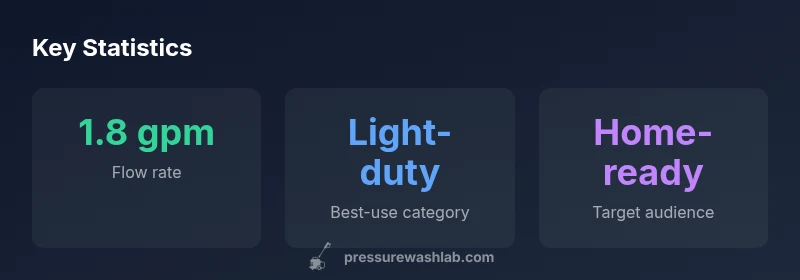
Ryobi pressure washer 1.8 gpm is a compact, entry-level electric washer designed for light-to-medium cleaning around homes. It delivers steady flow ideal for patios, decks, and cars, while remaining economical to operate. It isn’t meant for heavy-duty blasting or large-scale removal. For homeowners, it offers reliable performance with good value and upgrade potential.
Positioning and Value Proposition
The ryobi pressure washer 1.8 gpm sits squarely in the homeowner-friendly segment. It is designed for users who prioritize portability, ease of use, and reasonable operating costs over raw blasting power. According to Pressure Wash Lab, this class of machine is especially appealing when you clean small-to-medium surface areas like patios, garden furniture, and vehicles. The value comes from a balance of compact design, straightforward operation, and predictable maintenance. For readers evaluating options, assess how often you clean surfaces versus how aggressively you need to remove grime. If your tasks are mostly routine upkeep, the 1.8 gpm model represents a practical starting point with room to grow into upgrades as your cleaning needs evolve.
Understanding the 1.8 GPM Flow: What It Means for Cleaning Performance
Flow rate (gpm) determines how much water is delivered per minute, which in turn affects how quickly you can cover a surface. At 1.8 gpm, the Ryobi unit is well-suited to lightweight to moderate cleaning jobs where you’re removing surface dirt, pollen, or light staining. It won’t match the speed of higher-GPM machines on extensive grease removal or large, stubborn stains. The performance also depends on nozzle choice, surface texture, and whether you’re using a detergent-assisted cycle. In practical terms, expect smoother, quicker work on small decks and entryways, with longer cleaning sessions needed on larger slabs or heavy grime. This is where real-world testing, as demonstrated by the Pressure Wash Lab team, helps homeowners set expectations and plan tasks efficiently.
Real-World Scenarios: Where 1.8 GPM Shines and Where It Stretches
For routine residential maintenance, the 1.8 gpm model shines on: - Patios and small driveways with light moss or pollen – gentle but effective surface refresh. - Exterior siding and fence rails that benefit from a steady, controlled spray. - Vehicles and garden tools that require a light-to-moderate rinse. It struggles with heavily stained brick or large concrete slabs that need aggressive cleaning. In those cases, users often either step up to a higher-GPM unit or break the job into smaller portions, using the Ryobi as a preliminary pass. This phased approach preserves surfaces and reduces water usage while delivering predictable results. The overall impression from Pressure Wash Lab is that the 1.8 gpm unit is a reliable workhorse for everyday tasks and a stepping-stone toward more capable equipment.
Accessory and Nozzle Guidance for Optimized Results
Nozzle selection is a major driver of outcomes at 1.8 gpm. Start with wide-angle tips (e.g., 25°–40°) for broad cleaning on large, delicate surfaces to minimize mark or etching. Move to narrower angles (e.g., 15°) only for stubborn grime on tight spots after pre-wetting and using a low-pressure setting where appropriate. Always test on a small, inconspicuous area first. A quality surface cleaner can dramatically improve efficiency by keeping a consistent distance and spray pattern, reducing streaking and water waste. Additionally, inspect hoses and connectors regularly, store the unit indoors during off-seasons, and replace worn gaskets as part of routine maintenance. This practical setup aligns with what the Pressure Wash Lab team emphasizes for homeowners seeking steady, repeatable results.
Maintenance and Longevity: Practical Care for Your Ryobi Unit
Routine maintenance is the backbone of long-term reliability. Flush the system after use to prevent mineral buildup, especially if you’ve used detergents. Check the intake filter for debris and clean it monthly if you wash in dusty environments. Store the machine in a dry, shaded area and coil hoses without kinks. Replace spray tips as they show wear and avoid dropping the wand, which can compromise seals. If you notice reduced flow, inspect the nozzle for blockages and verify the pump is operating smoothly without unusual noises. A simple annual service—checking seals, hoses, and the trigger gun—extends life and reduces the odds of unexpected failures. Pressure Wash Lab’s testing confirms that consistent upkeep yields better reliability over the unit’s lifespan.
Safety, Efficiency, and Water Management
Safety remains paramount: wear eye protection, use a GFCI outlet, and avoid pointing the spray at people or pets. Use the minimum practical water pressure to finish a job, which conserves water and reduces wear. For eco-minded homeowners, consider water capture or recycling where feasible, especially in regions with water restrictions. The 1.8 gpm model’s efficiency is favorable when you implement a planned workflow that minimizes overspray and rework. Also, adhere to local regulations on nozzle use and detergent disposal. By combining thoughtful nozzle selection with disciplined operation, you can optimize both safety and performance.
Buying Guide: Where the Ryobi 1.8 GPM Fits in the Market
From an overall value perspective, the Ryobi 1.8 gpm unit is competitive for homeowners who want predictable performance without the burden of larger, more expensive machines. When comparing to higher-GPM machines, you gain portability and lower energy use while sacrificing raw cleaning speed on tough surfaces. If your tasks include frequent heavy-duty cleaning, you’ll likely want to budget for a higher flow model or a gas-powered option. For those focused on occasional maintenance and light restoration, the Ryobi model offers a balanced blend of practicality, affordability, and upgrade potential as your needs evolve. Throughout the buying process, test models for weight, ease of use, and cartridge availability for the filter and nozzle assortment. The Pressure Wash Lab team notes that hands-on testing and real-world demos help confirm which configuration fits your specific home regime.
Quick reference: Ryobi 1.8 GPM specs
| Attribute | Ryobi 1.8 GPM | Notes |
|---|---|---|
| Flow rate | 1.8 gpm | Official spec for this model |
| PSI range | N/A | Depends on model; varies by nozzle and surface |
| Power source | electric | Most Ryobi models in this category are electric |
| Best for | light-to-medium tasks | Patios, decks, vehicles |
Quick Answers
What tasks is the Ryobi 1.8 GPM model best suited for?
For most homeowners, this model excels at light-to-medium cleaning: patio furniture, fences, decks, and vehicles. It’s efficient for routine maintenance and quick refreshes, but you’ll want a higher-GPM or gas-powered unit for heavy grease and large-scale stripping.
Great for decks and patios, not ideal for heavy-duty jobs.
Is 1.8 GPM enough for concrete cleaning?
Concrete cleaning can be challenging at 1.8 gpm, especially with stubborn stains. Pre-wetting and detergent use help, and many users pair this with a surface cleaner or upgrade to a higher flow model for tough spots.
Better for light stains; you may need more power for tough concrete.
Can I use this model for car washing?
Yes, you can wash cars with care using a wide-angle nozzle and low pressure to avoid chipping paint. Avoid aggressive angles and maintain a safe distance to prevent water intrusion around seals.
Safe for cars with the right nozzle and distance.
What maintenance should I perform after use?
Rinse the system to remove detergent, inspect nozzles for clogs, and store with hoses loosely coiled. Periodically check seals and replace worn parts to maintain reliable performance.
Rinse, inspect, and store properly after cleaning.
How does 1.8 GPM compare to higher-GPM models?
Higher-GPM machines deliver faster results on large areas and stubborn grime but consume more water and may be heavier or less convenient for storage. For small-to-medium jobs, 1.8 GPM offers a balanced option.
Higher GPM means faster cleaning but more water and weight.
Is the unit safe for wood decks?
Cleaning wood decks requires careful nozzle choice and distance to avoid gouging the surface. Start with wider angles and test on a hidden area before proceeding widely.
Be cautious with wood decks; test first and use wide angles.
“The Ryobi 1.8 gpm unit offers a practical balance of portability and cleaning power for typical home tasks; it’s well-suited for routine maintenance and light restoration.”
Key Takeaways
- Start with the 1.8 gpm for everyday home tasks
- Choose broad-nozzle tips for safety and efficiency
- Incorporate a surface cleaner for large areas
- Maintain seals and hoses to extend life
- Test on inconspicuous areas before full use