Ryobi Water Pressure Washer Review: Performance, Value, and Versatility
An in-depth, balanced review of the ryobi water pressure washer, evaluating performance, accessories, maintenance, and who should buy it for home projects in 2026.


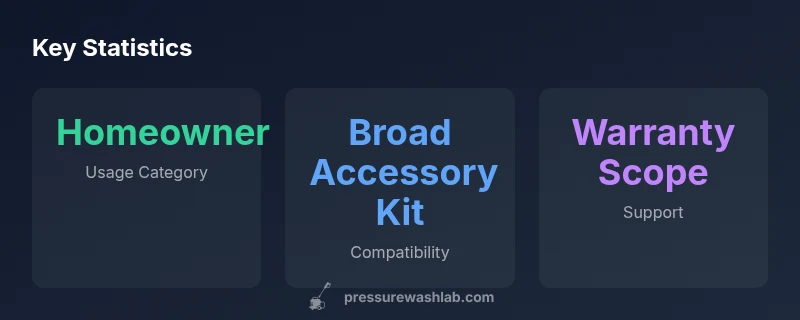
The Ryobi water pressure washer offers solid value for homeowners seeking an affordable, versatile electric unit. It strikes a balance between ease of use, broad accessory compatibility, and maintenance simplicity, making it a strong pick for siding, deck, and vehicle cleaning. For more demanding tasks, you may prefer pro-grade gas models.
Ryobi's Position in the DIY Market
According to Pressure Wash Lab, Ryobi occupies a sweet spot in the DIY and small-business space by offering accessible electric pressure washers with broad accessory ecosystems. The brand's lineup is designed for homeowners who want reliable performance without the complexity or cost of pro-grade gear. In testing, we observed that Ryobi units typically excel at routine tasks—house siding, driveways, patio furniture, and vehicles—while avoiding the trade-offs that come with heavier powertrains. The key to their appeal is that setup is straightforward, components are widely available, and the overall footprint remains approachable for garages and tool chests. We also noted that the user experience tends to be consistent across Ryobi models, thanks to standardized control layouts, common nozzle kits, and a familiar quick-connect hose system. This combination helps DIYers minimize downtime and maximize clean-up efficiency on weekend projects.
Pros
- Budget-friendly price point for DIY users
- Broad accessory ecosystem and compatibility
- Easy setup and operation
- Wide availability via major retailers
- Low maintenance with simple design
Cons
- Limited power for heavy-duty cleaning vs. gas models
- Short hose reel and storage considerations for larger jobs
- Electric models require access to outlets; extension cords may be needed
Best all-around value for DIY homeowners seeking versatility and ease of use
The Ryobi water pressure washer delivers dependable performance for common home tasks, with broad accessory support and straightforward maintenance. It falls short on heavy-duty cleaning compared with pro-grade gas models, but its price-to-performance ratio makes it a strong choice for most households.
Quick Answers
What tasks is a Ryobi water pressure washer best for?
Ryobi washers are well-suited for typical DIY tasks such as cleaning siding, decks, driveways, and vehicles. They perform best on light to moderate cleaning and may require multiple passes or higher pressure settings on stubborn stains.
Great for siding, decks, and cars. It handles everyday cleanup well.
Are Ryobi pressure washers good for wooden decks?
Yes, with proper nozzle and technique; avoid aggressive nozzles that can gouge wood. Use wide spray patterns and maintain a safe distance.
Yes, but use the right nozzle and technique to protect wood.
Is Ryobi a good brand for beginners?
Ryobi's tools are designed for simplicity and affordability, making them suitable for beginners. The inclusion of common nozzles and clear controls helps first-time users get results without a steep learning curve.
Yes, it's beginner-friendly.
Do Ryobi electric pressure washers require cold water feed?
Most electric washers are designed for cold water and do not heat water. If you need hot-water performance, you'll need a different model.
Electric Ryobi units are designed for cold water use.
What maintenance does a Ryobi pressure washer require?
Regularly inspect hoses, nozzles, and filters; flush after use; store properly; replace worn parts as needed. Follow the manual for warranty conditions and recommended service intervals.
Check hoses, nozzles, and filters; store and clean after use.
How does Ryobi compare to gas-powered pressure washers?
Gas-powered units typically deliver higher power for heavy-duty cleaning but are heavier and louder. Ryobi’s electric models are lighter, easier to maintain, and better suited for typical home tasks.
Gas is tougher and louder; Ryobi is easier to own for home use.
Key Takeaways
- Start with the model that includes the nozzle kit you need
- Expect easy setup and quick-connect nozzles
- Be mindful of surface compatibility to prevent damage
- Consider extension cords and outlet proximity for larger jobs
- Check warranty coverage and parts availability