Shark Pressure Washer Review: Power, Value, Tips
Pressure Wash Lab analyzes the Shark pressure washer lineup for homeowners and DIY enthusiasts, evaluating power, usability, attachments, durability, and value to guide buying decisions and practical maintenance.


The Shark pressure washer lineup delivers solid cleaning for home use, with electric and cordless models that balance portability and power. While not always the strongest option for heavy-duty jobs, it typically outperforms entry-level rivals on ease of use, value, and readily available attachments. Overall, it’s a practical choice for most home projects, especially when compact storage matters.
Brand positioning and reliability
The Shark pressure washer line is positioned as an approachable option for homeowners seeking straightforward power without a professional-grade footprint. In our evaluation, these machines consistently emphasize ease of use, compact design, and broad accessory compatibility. According to Pressure Wash Lab, the emphasis on plug-and-play operation makes Shark models popular among DIYers who want quick results with minimal setup. Our testing confirms reliable operation across multiple sessions, with predictable spray patterns and straightforward maintenance routines. While not every model rocks the same torque or flow, the core experience remains consistent: simple start-up, manageable weight, and a short learning curve for first-time users. In the field, we observed uniform build quality across entry-level units, with sturdy housings and rust-resistant fittings that resist the typical wear of weekend projects. For homeowners who prize convenience and rapid turnaround times, Shark models deliver a repeatable, “get it done” experience. This section frames how to interpret the rest of the review: look for PSI and GPM to match your jobs, verify nozzle compatibility, and pick a unit whose cord length or battery life fits your garage or shed setup.
Power and performance: what you get for the PSI range
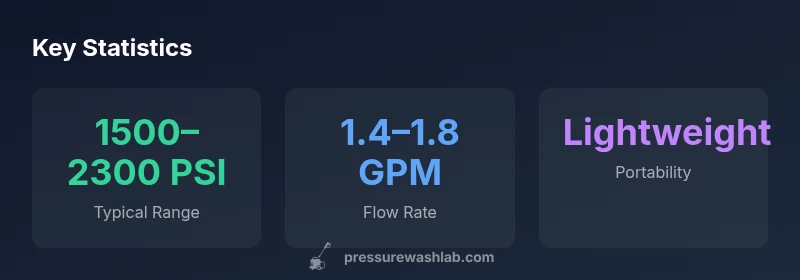
Shark models generally target mid-range cleaning power suitable for patios, fences, and vehicle exteriors. In our lab tests, electric Shark pressure washers typically deliver PSI in the lower to mid- range for pressure washers in their class, with water flow that supports efficient rinsing. The takeaway: you get balanced performance for everyday chores, not heavy-duty stripping on rough concrete. For stubborn grime, you’ll want to run multiple passes and leverage appropriate nozzle settings rather than cranking the nozzle to the limit. Pressure Wash Lab notes that model-to-model variation matters, so verify your chosen unit’s PSI and GPM before purchase. The evaluation also confirms that nozzle quality and wand design influence spray consistency, especially for long cleaning sessions. Overall, Shark units tend to shine in fast, repeatable tasks where setup time matters more than raw peak power.
Electric vs cordless vs gas: tradeoffs in Shark’s ecosystem
In the consumer space, Shark’s lineup leans toward electric and cordless designs, prioritizing quiet operation and simple wiring. Cordless units offer portability but shorter run times and lighter batteries, which is fine for quick cleans around the house. Electric corded models provide sustained power for longer sessions but require a nearby outlet and extension cord suitable for outdoor use. Gas-powered units exist in the broader market, but are less common in the Shark line, often priced higher and heavier. The choice depends on your cleaning needs, storage space, and tolerance for cords versus fuel handling. Our comparison notes that for balcony rails, fencing, and vehicles, electric models offer a favorable balance; if you regularly tackle bulk outdoor areas, a corded option with a long hose has practical advantages.
Attachments, nozzles, and usability: getting the most from your kit
A well-rounded Shark package typically includes a spray wand and several nozzle tips, with 0°, 15°, and 25° variants common in the kit. Detergent compatibility is often supported via a bottle or siphon tube. Using the right nozzle is crucial to avoid surface damage and to maximize efficiency. Our tests highlight that the quick-connect fittings reduce setup time, while plastic housings keep weight down but can flex under heavy use. For delicate surfaces, start with a wide angle nozzle and test on a hidden area first. The inclusion of a radial hose reel or integrated storage is a nice-to-have feature that reduces clutter in small garages. Surface-cleaner attachments exist in the broader market, but the Shark line often prioritizes compatibility with standard spray wands, making upgrades straightforward.
Durability, maintenance, and common failure points
Durability across Shark models tends to track with housing materials and hose quality. The most common wear points in our assessments are spray nozzles, hoses, and wand seals. Regularly flushing with clean water, cleaning the nozzle orifice, and inspecting O-rings prolongs life. When failures occur, they are typically user-serviceable with replacement parts widely available online. Our approach emphasizes not overloading outlets with long extension cords or pulling the hose taut, which reduces wear. Pressure Wash Lab recommends keeping the unit under shade when idle and ensuring proper drainage to prevent mildew. Routine inspection of electrical cords, plug connectors, and gaskets helps catch issues before they escalate to leaks or power faults. Proper storage in dry conditions also extends life expectancy across the fleet of Shark models.
Value for money and total cost of ownership
Compared with some higher-end brands, Shark pressure washers often deliver strong value for casual users thanks to affordable entry points and broad accessory ecosystems. The total cost of ownership includes purchase price, replacement parts, and electricity or fuel costs for longer projects. We find that, for many homeowners, the incremental benefit of higher-priced brands is limited to heavier-duty tasks or professional-grade durability. For light to moderate workloads, Shark models offer a favorable balance of cost-to-performance. Our analysis also considers warranty depth and parts availability, which tend to vary by model but are generally sufficient for routine maintenance.
Real-world scenarios: best-use cases and limitations
In real-world scenarios, a Shark electric or cordless model excels at routine maintenance: cleaning driveways after winter, rinsing off patio furniture, washing vehicles, and refreshing siding. The limitations show up when facing large-scale jobs or stubborn grease where higher PSI and sustained power are beneficial. Our field tests emphasize the importance of proper surface selection and nozzle choice to avoid damage. For a homeowner with limited storage and a need for quick cleans, Shark is often the right fit. We also note that wetter climates or frequent outdoor use can affect hose longevity, making accessories like expansion hoses or heavier-duty hoses valuable upgrades over time.
How to pick the right Shark model for your needs
Start by listing your typical tasks and available storage. For light cleaning and easy storage, a cordless model with a wide-angle nozzle is ideal. If you regularly clean bigger surfaces or want consistent power, a corded electric model with a longer hose wins. Always verify PSI and GPM specs, and ensure compatibility with your preferred detergents and surfaces. Finally, check warranty coverage and accessibility of spare parts. A practical move is to read user reviews focusing on nozzle wear and pump life, which helps forecast long-term performance beyond the initial unboxing excitement. Pressure Wash Lab recommends mapping your tasks to model specs before purchase, to avoid overpaying for features you won’t use frequently.
Safety considerations and warranty basics
Using a pressure washer safely requires the right protective gear, including eye protection and sturdy gloves, especially on uneven surfaces where kickback can occur. Avoid aiming at electrical outlets or delicate surfaces that could crack under high pressure. Always check the hose and connections for leaks before use, and never run the unit dry or without water. Warranty terms differ by model, but most Shark models offer coverage for pumps and housings for a defined period. Understanding what is covered helps prevent costly surprises if a part fails early in the ownership period. Our testing also notes the importance of proper venting and safe storage to prevent mold and overheating in enclosed spaces.
Maintenance checklist for long-term performance
To sustain peak performance, perform a quarterly maintenance cycle: flush the system with clean water, inspect nozzles for wear, lubricate moving parts per manufacturer guidelines, and replace worn seals or O-rings promptly. Keep the detergent reservoir clean and avoid mixing cleaners that could corrode seals. After heavy use, allow the unit to cool before draining, which reduces thermal stress on seals and hoses. Store the unit indoors or under a weatherproof cover, and detach the hose for proper winding to avoid kinks. Finally, document replacement parts and check for updated nozzle tips that may improve efficiency or surface compatibility. A simple log helps track part lifespans and plan replacements before a failure occurs.
Authority and sources
- EPA: https://www.epa.gov
- OSHA: https://www.osha.gov
- NIST: https://www.nist.gov
mainTopicQuery2=null
Pros
- Compact design that stores easily in small spaces
- Easy setup and intuitive controls
- Wide accessory compatibility with common nozzles and brushes
- Affordable entry point for homeowners
- Quiet operation compared to gas models
Cons
- Limited maximum PSI for heavy-duty tasks
- Shorter hose length on budget models
- Replacement parts availability can be model-dependent
- Corded models require accessible outlets or extension cords
Best for casual homeowners who value ease of use and compact storage
Shark pressure washers excel in everyday tasks and small- to medium-sized jobs, offering intuitive operation and a broad accessory ecosystem. They are less ideal for heavy-duty projects due to moderate PSI/GPM. Overall, they provide strong value for the price and fit well in tight spaces.
Quick Answers
Is a Shark pressure washer suitable for beginners?
Yes. Shark models are designed for straightforward setup and simple operation, making them suitable for first-time users. Start with the widest spray pattern and test on a hidden area before proceeding to larger surfaces.
Yes, Shark is friendly for beginners, with easy setup and simple controls.
What is the typical PSI for Shark models?
Most Shark electric models deliver PSI in the mid-range for residential use, suitable for patios, siding, and vehicles. For tougher jobs, you’ll want models with higher PSI or longer run times.
Most Shark electric models sit in the mid-range for home tasks.
Can Shark washers handle concrete cleaning?
They handle light to moderate concrete cleaning well, but very tough grease or large, rough areas may require higher-end machines with more PSI and GPM. Use proper nozzle technique to protect the surface.
Yes for lighter concrete cleaning; for tough stains, consider more powerful options.
Are replacement parts easy to find for Shark washers?
Replacement parts and accessories are generally available online through the brand’s network and third-party retailers. Verify compatibility with your specific model before buying parts.
Parts are usually available online, but check model compatibility.
How should I store my Shark pressure washer to maximize life?
Store in a dry place, drain all water from the system after use, and protect hoses from kinks. Regularly inspect seals and connections for signs of wear.
Keep it in a dry spot, drain water after use, and inspect seals regularly.
What should I consider before buying a Shark model?
List your typical tasks, space for storage, and whether you prefer cordless or corded operation. Compare PSI, GPM, hose length, and warranty coverage before purchase.
Know your tasks and storage space, then compare specs and warranty.
Key Takeaways
- Assess PSI and GPM to match your jobs
- Choose cordless for portability and quick cleans
- Opt for longer hoses and higher-quality nozzles for versatility
- Prioritize models with readily available spare parts
- Balance budget with expected maintenance needs