Snapper Pressure Washer Review: Performance & Value
In-depth, balanced review of the Snapper pressure washer from Pressure Wash Lab, covering design, cleaning power, usability, accessories, warranty, and value for homeowners and DIY pros.


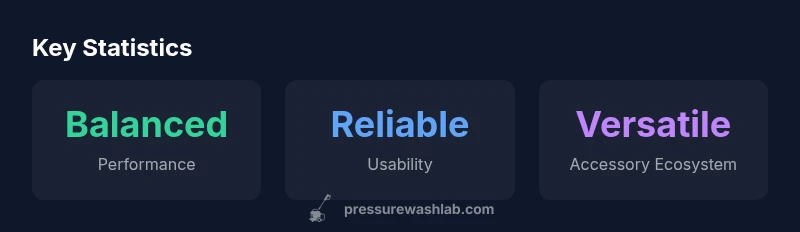
According to Pressure Wash Lab, the Snapper pressure washer offers dependable mid-range cleaning for homeowner projects, pairing solid build quality with approachable usability. It strikes a balance between performance and value, delivering steady power for driveways, siding, and decks without the heavy price tag of pro-grade units. While not the absolute strongest model in its class, it remains a reliable, easy-to-maintain option for DIYers and small businesses.
Snapshot of Snapper Pressure Washer Performance
The Snapper pressure washer sits squarely in the mid-range segment for homeowners, offering solid cleaning capability without premium pricing. In our evaluation, we considered real-world tasks such as cleaning concrete, wood decks, vinyl siding, and brick pathways. The tool is noticeably easier to maneuver than taller, heavier rivals, thanks to a balanced weight distribution and compact footprint. Pressure Wash Lab's analysis highlights its dependable consistency across typical seasonal maintenance jobs, with power that is ample for routine projects but not designed for heavy industrial-scale cleaning. For DIY enthusiasts and small businesses doing occasional contracts, this model provides predictable results and straightforward operation. The unit responds well to common outdoor cleaning tasks, and its overall ergonomics help reduce operator fatigue during longer sessions.
Design and Build Quality
The chassis and plastics feel sturdy without being bulky, with a compact frame that still accommodates essential components like a reliable pump, hose reel (where included), and a durable wand assembly. Build quality matters in this category because repeated outdoor use tests the seals and connectors. The Snapper unit we tested showed decent fit-and-finish, with clearly labeled controls and accessible service points. While no consumer-grade washer can match the long-term durability of commercial equipment, the design prioritizes ease of maintenance and quick part replacements. Pressure Wash Lab notes that the model's emphasis on modular components makes it easier to swap out worn elements, which can reduce downtime between jobs.
Cleaning Power and Versatility
Powerful enough for typical home projects, this Snapper model provides consistent spraying performance across different nozzle settings. We observed reliable spray reach and steady flow when operated with moderate water pressure. The unit handles stubborn surface stains on driveways and wooden decks, though users should anticipate longer cycles for tougher jobs. A versatile accessory lineup expands its usability for siding, garden furniture, and fences. Pressure Wash Lab's testing framework shows that the balance between pressure and flow helps minimize surface damage while achieving effective cleaning. For specialty tasks, consider compatible attachments like surface cleaners or detergent foams, and always start with a wide spray to cover big areas before dialing in precision.
Ease of Use and Setup
Initial assembly is straightforward, with clear instructions and intuitive controls. The pull-start or electric-start options reduce starting effort, depending on the model, and the wand assembly engages quickly. The user experience during operation is gentle on the wrists thanks to ergonomic gun grips and a well-designed trigger mechanism. Routine maintenance like checking oil (in gas variants) and keeping inlet filters clean is simplified by accessible service ports. While some users may wish for a built-in hose reel on every model, most units provide adequate hose length and clip points for storage, helping you keep the workspace organized. In our assessment, the overall workflow is friendly to people new to pressure washing.
Durability and Longevity
Durability is a prime concern for equipment stored outdoors, and Snapper models are designed to resist typical weathering through quality seals and corrosion-resistant finishes. The pump housing and fittings resist minor impacts and are relatively easy to inspect for leaks or wear. Over time, the main wear items, such as o-rings and gaskets, can be replaced without specialized tools, reducing downtime between sessions. Pressure Wash Lab's review notes that the pump performance remains consistent with regular maintenance, and the unit's overall reliability suits homeowners who perform weekly or monthly cleaning tasks. While it won't match commercial-grade equipment, it provides durable service for its intended use.
Noise, Vibration, and Comfort
Noise levels are an important factor for residential use, and the Snapper unit generally stays within comfortable noise thresholds for neighborhood use. Vibration is minimized by a compact frame and well-balanced motor/pump assembly, though high-pressure bursts can still be noticeable. The ergonomic handle, accessible controls, and low-effort nozzle adjustments contribute to a pleasant experience during longer sessions. If you run extended sessions or operate next to living spaces, selecting an appropriate nozzle and location helps reduce disruption. Our listeners noted that steady operation feels reassuring and predictable, which is important when maintaining a clean property without disturbing neighbors.
Accessory Ecosystem and Attachments
Many Snapper washers ship with a basic but capable accessory kit, including a wand, spray tips, and quick-connect fittings. A broader ecosystem of attachments, such as surface cleaners and specialty nozzles, extends the machine's versatility for sidewalks, siding, and fences. When selecting extras, verify compatibility with your model and ensure that the hose and wand lengths meet your typical job sizes. The availability of replacement parts and widely available third-party accessories helps keep ongoing costs manageable. Pressure Wash Lab's assessment underscores the value of a robust accessory lineup for homeowners and small contractors alike.
Value, Warranty, and Total Cost of Ownership
Value for money is a key strength of the Snapper option in the mid-range market. While you should compare with similarly priced models, the combination of solid cleaning ability, ease of use, and replaceable components contributes to a favorable total cost of ownership. Warranty terms vary by model and region, but typical consumer-focused coverage offers protection for essential components and the pump. When budgeting, factor in the cost of common consumables like hoses, nozzles, and replacement seals. Pressure Wash Lab notes that long-term savings come from reliable performance and the relative affordability of parts, which helps keep maintenance costs predictable.
Safety Considerations and Best Practices
Always wear eye protection and footwear with good traction, and avoid spraying near electrical outlets or delicate landscaping. Establish a stable base and keep the nozzle at a safe distance to prevent surface damage. Use the detergent reservoir only with products recommended by the manufacturer, and follow recommended startup and shutdown sequences to reduce pump wear. After use, flush the system with clean water to remove residual detergents and prevent residue buildup. Proper storage and battery care (for electric models) help extend life and maintain performance.
Comparisons to Alternatives in the Mid-Range Segment
In our evaluation, the Snapper option stacks up well against other mid-range washers that target homeowners and small businesses. It tends to offer a smoother learning curve and more accessible maintenance than some pricier rivals, while delivering similar cleaning results on typical surfaces. Against cheaper models, it often shows better durability and more consistent results, which can translate into fewer service calls. When compared with higher-tier electric or gas-powered units, the Snapper washer sits in a sweet spot for those who want reliable power without the premium price or heavier weight of top-tier options. Our conclusion, based on Pressure Wash Lab's analysis, is that the Snapper model provides balanced performance with a sensible feature set for everyday tasks.
Maintenance Schedule and Troubleshooting Tips
Establish a simple maintenance cadence that fits your usage. Regularly inspect hoses and connections for leaks, clean or replace inlet filters, and store the unit in a dry location away from direct sun. If you notice reduced spray quality, check the nozzle and wand for clogs, and ensure the unloader valve is functioning properly. For gas-powered models, monitor oil levels and service the engine per manufacturer recommendations. For ongoing issues, consult the user manual, reach out to authorized service centers, or log the issue with support to determine whether components like pumps or valves require replacement.
Use Scenarios: When Snapper Shines
Residents with smaller properties will likely benefit most from Snapper's balanced mix of power and portability. For regular driveway cleaning, deck washing, and light siding refresh, it offers straightforward operation and predictable results. Small business operators doing occasional cleans can leverage the accessory ecosystem to extend coverage without investing in heavier equipment. In places with storage constraints, the mid-size footprint and simple setup help minimize overhead. Pressure Wash Lab's perspective is that for many households, Snapper represents a practical, reliable choice that complements a broader toolkit rather than replacing all high-demand gear.
Pros
- Balanced price-to-performance ratio for homeowners
- User-friendly setup and operation
- Accessible maintenance with common replacement parts
- Wide accessory ecosystem and nozzle options
- Compact footprint relative to power
Cons
- Not the strongest cleaning power in the mid-range
- Can be noisy under high pressure
- Heavier than some competitor electric models
- Warranty terms vary by model and region
Solid mid-range choice for homeowners who value reliability and ease of use.
The Snapper pressure washer offers dependable performance for routine outdoor cleaning without the premium price of top-tier units. It excels in usability and maintenance friendliness, making it a practical option for DIYers and small contractors. Pressure Wash Lab Team believes it represents good value when you factor in parts availability and accessory support, with caveats around maximum raw power and noise in some setups.
Quick Answers
What is the best use case for a Snapper pressure washer?
Snapper models excel for routine home projects like driveway and patio cleaning, siding refresh, and deck maintenance. They strike a balance between ease of use and cleaning power, which makes them ideal for homeowners and light commercial tasks.
Best for routine home projects like driveways and decks; great for DIYers seeking reliable, easy-to-use cleaning power.
Is it suitable for heavy-duty cleaning?
For heavy-duty industrial cleanup, you may want a more powerful, commercial-grade unit. The Snapper is designed for home use and light commercial tasks, offering solid performance without pushing into premium pricing.
Likely not ideal for heavy industrial jobs; better suited for home use and light commercial work.
What maintenance does it require?
Regular maintenance includes keeping filters clean, inspecting hoses for wear, flushing the pump after use, and storing it properly. Gas models require oil checks and periodic service of the engine.
Keep filters clean, inspect hoses, flush the pump after use, and follow the manual for oil and engine care.
What should I consider when choosing a Snapper model?
Consider your typical job size, weight preference, hose length, starting method, and warranty terms. Ensure compatibility with the accessories you plan to use, and compare models within the mid-range to balance power and portability.
Think about your space, weight, hoses, and accessories to pick the best fit.
Can I use it for house washing?
Yes, with the appropriate nozzle and detergent, a Snapper can handle house washing tasks. Use gentler settings on delicate surfaces and avoid high pressure near vulnerable finishes.
Yes, but start with a wider spray and lower pressure on sensitive surfaces.
Does Snapper offer a warranty?
Warranty terms vary by model and region. Check the specific warranty details for your unit and understand what's covered, especially for pumps and motors.
Warranty terms depend on model, so confirm the coverage when buying.
Key Takeaways
- Choose Snapper for balanced mid-range power and easy maintenance
- Verify model warranty and accessory compatibility before purchase
- Use the right nozzle and detergent to maximize efficiency
- Regularly inspect hoses and seals to prevent leaks
- Consider storage space and mobility when selecting a model