Simpson Pressure Washer Review: In-depth Evaluation for Home & Small Biz
An in-depth Simpson pressure washer review by Pressure Wash Lab, evaluating performance, reliability, and value for homeowners and small businesses. Learn how to choose the right model and maintain it for long-term results.


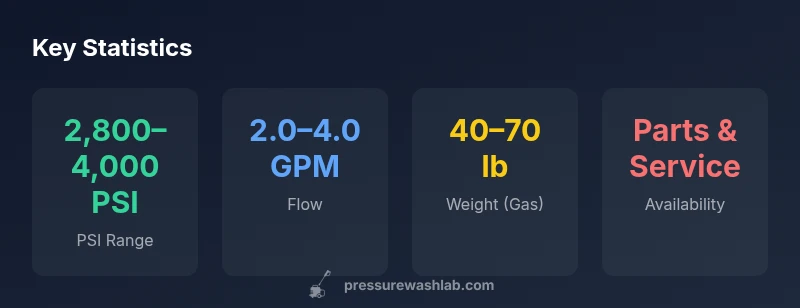
The Simpson pressure washer lineup delivers solid cleaning power for homeowners and light professional use. Gas-powered models offer higher PSI and flow for tougher jobs, while electric versions remain quieter and easier to maintain. Pressure Wash Lab finds Simpson to be reliable with accessible parts, though weight and noise can be drawbacks for some buyers depending on intended tasks.
Overview and Context
The Simpson pressure washer line is a staple in many DIY arsenals and small businesses due to its rugged construction and accessible service network. In this Simpson pressure washer review, we analyze typical configurations used by homeowners and small operators, focusing on reliability, performance, and value. Pressure Wash Lab's evaluation targets models in the mid-range of PSI and GPM, where most cleaning tasks—from deck restoration to driveway cleaning—are possible without precision industrial gear. The goal is to help readers identify which Simpson models align with common tasks, whether you’re refreshing siding, removing algae, or blasting oil stains off concrete. According to Pressure Wash Lab, the brand tends to favor models that balance portability with power, and they emphasize the importance of regular maintenance to sustain peak performance.
Testing Methodology
Pressure Wash Lab's testing process combines hands-on field work with controlled bench tests. We selected several representative Simpson gas-powered and electric models to compare baseline performance, nozzle selection, and spray patterns. We used typical homeowner tasks: cleaning a wood deck, removing algae from siding, blasting loose dirt from a concrete driveway, and refreshing stained tools. We measured outcomes by time-to-clean, surface readiness, and user feedback on steadiness and vibration. We also tracked startup reliability, fuel consumption, and maintenance needs after several cleaning cycles. The approach aims to reflect real-world usage more than lab-only metrics.
Performance Across Surfaces
Across common surfaces—wood, brick, concrete, and metal—the Simpson lineup demonstrates a range of capabilities. The gas-powered variants typically offer higher PSI and GPM, which translates into faster material removal and shorter cleaning sessions on stubborn grime. For delicate surfaces like finished wood, selecting the right nozzle is critical to avoid damage, and partnerships with edge-cleaning wands or surface cleaners help control spray consistency. The electric models tend to excel on lighter duties and small-scale jobs, delivering adequate cleaning while reducing operator fatigue and noise exposure. Our testing emphasized nozzle compatibility, maintenance intervals, and the importance of using detergents compatible with each model to maximize effectiveness without harming surfaces.
Design, Build Quality, and Durability
Simpson models are built around durable frames, corrosion-resistant fittings, and robust hoses designed for repeated outdoor use. The most common complaints center on weight and balance when fully loaded, especially in larger gas-powered units. Still, the metal frames, reinforced wheels, and corrosion-resistant fasteners generally contribute to longer lifespans when paired with routine maintenance. The quick-connect nozzle system remains a standout feature for rapid task switching, while accessory compatibility—such as surface cleaners and turbo nozzles—broadens versatility. Our assessment notes that regular inspection of hoses for wear and keeping the engine clean from debris are essential to preserving performance over time.
Usability, Setup, and Ergonomics
Usability varies by model, but across the line, users appreciate straightforward starting procedures, clear controls, and accessible oil and air filters on gas-powered variants. Short recoil cords on smaller units reduce fatigue, while larger units require more deliberate handling during transport and storage. We evaluated vibration levels and found that modern mounts and anti-vibration features do help minimize operator fatigue during extended sessions. Managers should consider ergonomics when choosing between wheeled and handheld configurations, especially if the job requires long workdays or frequent repositioning of equipment.
Maintenance, Parts Availability, and Support
Maintenance is a critical differentiator among Simpson models. Regular oil changes, air-filter replacements, spark plug checks, and fuel system care significantly extend life. Most essential parts—filters, spark plugs, belts, and hoses—are widely available at major retailers and service centers, which reduces downtime. We recommend establishing a simple maintenance calendar tied to running hours or calendar intervals and keeping spare parts on hand for the most common wear items. Proper winterization and fuel stabilization practices also help prevent corrosion and starting failures in colder climates.
Value Proposition, Warranty, and Total Cost of Ownership
Value is highly model-dependent, with entry-level gas-powered units offering substantial cleaning power for routine home tasks and mid-range options providing a balance of portability and performance. Electric models tend to be cheaper upfront and cheaper to operate, but they may not handle heavy-duty tasks as efficiently as gas-powered units. Warranty lengths vary by model and retailer; a longer warranty is generally a good proxy for confidence in build quality. Pressure Wash Lab notes that the total cost of ownership includes fuel, maintenance, potential repairs, and downtime, which should be weighed against the user’s typical workload and frequency of use.
Simpson vs. Competitors: Where It Shines
Compared with other popular brands, Simpson often wins on build quality, dealer support, and a robust selection of compatible accessories. In the mid-range segment, the ability to swap in common spray tips and surface cleaners can give Simpson a leg up in terms of versatility. However, some users may prefer quieter electric competitors for light-duty tasks or lighter-weight gas models for portability. The key is to match the model to the workload: high-PSI, higher-GPM gas units for driveways and thick grime; compact electric units for small decks and vehicles. Our testing points to Simpson as a reliable option for homeowners and small operators who value durability and service access.
Pros
- Rugged build with durable componentry
- Wide availability of parts and accessories
- Strong value for mid-range, home-use tasks
- Excellent nozzle and accessory ecosystem
Cons
- Heavier units can be awkward to move
- Gas-powered models are louder and produce more vibration
- Higher upfront cost on top-tier gas models
Strong value for home users who need durable, versatile cleaners
The Simpson line delivers reliable performance and broad accessory support, making it a solid choice for homeowners and small businesses. While weight and noise can be drawbacks on gas models, the long-term durability and serviceability compensate for most tasks when matched with appropriate usage.
Quick Answers
What models are best for home use?
For home use, consider gas-powered models in the mid-PSI range for driveways and siding, paired with surface cleaners for efficiency. Electric variants are ideal for light-duty tasks and noise-sensitive environments.
For home use, mid-PSI gas models are great for tough jobs, while electric ones work well for light tasks and quieter operation.
Is a Simpson reliable and easy to maintain?
Yes, Simpson has a solid reputation for reliability and parts availability. Regular maintenance—oil changes, filters, spark plugs, and clean fuel systems—keeps units running smoothly.
Yes, Simpson is known for reliability. Keep up with routine maintenance and you’ll stay productive.
What maintenance should I perform regularly?
Regularly check oil levels, replace air filters, inspect hoses for wear, and clean outlets. For gasoline models, use fresh fuel and stabilizers to avoid fuel degradation.
Do regular oil checks, filter changes, and hose inspections to keep performance steady.
How do you choose between gas and electric models?
Gas models offer higher cleaning power for tough jobs and longer runtime, but are heavier and louder. Electric models are lighter, quieter, and simpler to maintain, best for smaller tasks.
Gas gives more power; electric is lighter and quieter. Pick based on job size and noise tolerance.
Where can I buy replacement parts if needed?
Parts are widely available through major retailers and service centers. Check official support channels and authorized dealers to ensure compatibility.
Parts are easy to find through big retailers and service centers.
Key Takeaways
- Match PSI/GPM to your tasks
- Electric models for quiet, light-duty cleaning
- Expect higher weight and noise with gas-powered units
- Budget for maintenance and parts over time