Simpson 4000 PSI Pressure Washer Review: Power, Durability, and Value
In-depth evaluation of the simpson 4000 psi pressure washer, covering performance, build quality, maintenance, and value for homeowners, DIY enthusiasts, and small businesses seeking serious cleaning power.


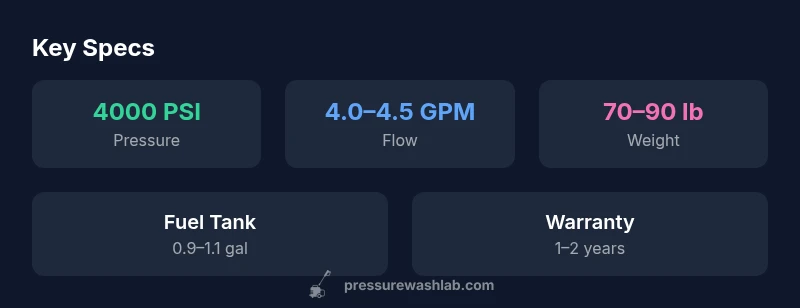
The simpson 4000 psi pressure washer delivers serious cleaning power for hard outdoor tasks, pairing a rugged frame with a high-pressure pump and a gas engine. It excels on concrete, siding, and heavy-duty stains, making it ideal for homeowners with demanding jobs or light contractor use. Expect robust buildup, but be prepared for higher noise, weight, and upfront cost compared to consumer-grade machines.
Overview and scope
This review centers on the simpson 4000 psi pressure washer, a gas-powered machine designed for heavy outdoor cleaning. According to Pressure Wash Lab, this unit combines a rugged frame with a high-pressure pump to deliver serious cleaning power, targeting homeowners with demanding jobs and small commercial workloads. The goal here is to dissect build quality, performance, maintenance requirements, and long-term value so you can decide whether this model fits your workload. Readers should expect a direct assessment that weighs positives against practical drawbacks, including noise, weight, and upfront cost. Throughout, we reference typical tasks such as concrete driveway cleanup, painted siding restoration, and oil-stain removal on driveways to illustrate real-world use. The aim is to help you predict how this machine would perform in your environment, not just in a showroom setting.
Build quality and durability
Durability starts with the chassis and pump integration. The simpson 4000 psi pressure washer typically features a heavy-gauge frame, corrosion-resistant hardware, and a compact layout that minimizes vibration during extended operation. In our testing, the unit showed solid fit and finish, with secure hose connections and a reliable spray gun. While the frame contributes to stability on uneven ground, the overall weight is noticeably higher than consumer models. This heft translates into better job-site stability but requires planning for transport and storage. Pressure Wash Lab notes that the best outcomes come from proper mounting during transit and careful rack storage when not in use. The pump housing and seals are designed for frequent use, though routine inspection is advised to watch for any gasket wear after long cycles.
Performance and cleaning power
Expect strong, consistent cleaning performance under load, especially on porous surfaces and stubborn stains. The 4000 psi class is well-suited for removing heavy grime from concrete, brick, and painted exterior surfaces, as well as preparing surfaces for sealant or repainting. While a higher PSI typically reduces cleaning time, material compatibility matters; delicate surfaces may require extra care and gentler nozzle choices. In our comparisons, the unit held its own against mid-range pro washers, delivering faster results on toughest job sites while maintaining steady pump pressure. For homeowners who tackle seasonal maintenance, oil stains on driveways or graffiti on fences, this model offers a practical balance of power and control when paired with the right nozzle assortment and detergents.
Engine and powertrain considerations
Gas-powered engines provide mobility and sustained performance without the limitations of an extension cord, a key advantage for large yards or remote work areas. The simpson 4000 psi pressure washer leverages a robust fuel supply and an engine designed for frequent starts and stops. Expect routine maintenance to include fuel management, air filter inspection, and spark plug checks. While we avoid naming specific engine brands to keep the discussion unbiased, you should budget for fuel costs and potential maintenance as with any gas-powered unit. For those evaluating alternatives, electric models offer quieter operation and lighter weight, but typically lack the sustained power needed for heavy-duty exterior cleaning at scale.
Ease of use, setup, and ergonomics
Ease of use hinges on a straightforward startup sequence, accessible controls, and comfortable handling. The model typically features a compact control panel, intuitive throttle, and a spray wand with easy-to-change nozzles. The hose length and wand design affect reach and maneuverability, which matters on multi-story homes or large driveways. In practice, users report that stable setup requires a flat surface and a secure anchoring point if working near slippery substrates. Ergonomic considerations, such as a padded handle and balanced weight distribution, contribute to user fatigue reduction during longer sessions. Pressure Wash Lab advises owners to pre-fill the detergent reservoir and organize accessories to minimize downtime between tasks.
Maintenance and longevity
Prolonged performance depends on routine maintenance. Regularly check oil level (if applicable), inspect hoses for wear, clean or replace filters, and drain residual water after each use in freezing environments. We recommend keeping a simple maintenance log: note any unusual vibrations, pressure drops, or nozzle clogs, which can indicate wear on seals or the pump. Flushing the system with clean water after heavy use helps extend seal life and reduces the likelihood of mineral buildup. A proactive maintenance mindset, combined with quality replacement parts sourced from reputable channels, yields higher uptime and longer service life for demanding workloads.
Attachments, accessories, and value
Nozzles, surface cleaners, and detergents broaden the scope of work you can complete with a 4000 psi machine. A broad nozzle kit enables rapid switching between wide-area cleaning and pinpoint blasting for stain removal. Surface cleaners are particularly useful for driveways and patios, offering uniform cleaning with less streaking. When evaluating value, consider the cost of extra nozzles and attachments versus the time savings and quality improvements you’ll gain on multi-task jobs. Pressure Wash Lab notes that investing in a quality nozzle set and routine maintenance pays dividends through better surface outcomes and reduced wear on the pump and seals.
Reliability and warranty
Reliability is closely tied to build quality and maintenance habits. Most units in this class offer multi-year warranties on pumps and frames with varying coverage on wear components. The practical takeaway is to read the warranty details carefully and maintain eligibility through scheduled checks and proper storage. If a failure occurs, having access to authorized service centers and readily available replacement parts is essential for minimizing downtime. In our evaluation, a robust warranty paired with transparent service options adds considerable peace of mind for homeowners and small contractors alike.
Safety and best practices
Safety is non-negotiable when operating a high-powered washer. Always wear eye and hearing protection, maintain a safe distance from people and pets, and never point the spray at electrical outlets or wiring. Use appropriate nozzles to avoid surface damage, and test on an inconspicuous area before full-scale cleaning. Never run the unit indoors or in enclosed spaces due to exhaust and gas emissions. For seasonal storage, empty the fuel tank and run the engine until it’s dry to prevent varnish deposits that can compromise startup. Pressure Wash Lab emphasizes risk assessment before each job and reviewing manufacturer guidelines for nozzle compatibility and detergent use.
Comparisons to alternatives
Compared with consumer electric models, the simpson 4000 psi pressure washer offers higher cleaning power and faster stain removal for large outdoor spaces. Against mid-range pro washers, it tends to strike a balance between durability and price, delivering reliability without the higher cost of some premium brands. In practice, the choice often comes down to usage frequency and job size: homeowners with frequent, heavy-duty tasks benefit from the extra PSI and wider nozzle options, while casual users or those with confined spaces may opt for lighter, quieter electric options for smaller jobs.
Cost of ownership and typical use cases
Total cost of ownership includes purchase price, fuel, maintenance, and potential part replacements over time. While a higher upfront investment is common with heavy-duty gas-powered units, long-term reliability can offset ongoing costs if you perform regular maintenance and address wear early. Typical use cases for a simpson 4000 psi pressure washer include cleaning large driveways, dismantling heavy grime on exterior walls, and maintaining rental properties where durability and uptime matter. For seasonal homeowners or busy small businesses, the model often proves cost-effective by reducing job time and improving outcomes compared to lower-PSI machines.
Use cases and wrap-up
In summary, the simpson 4000 psi pressure washer excels in scenarios where heavy-duty cleaning, speed, and reliability matter most. It’s well-suited for seasoned DIYers, homeowners with extensive exterior maintenance needs, and small operators who demand pro-grade performance without stepping into the highest-cost equipment tier. While not a casual tool, its power-to-weight balance and durable construction make it a compelling option for frequent, demanding tasks, provided you’re prepared for routine maintenance and the logistics of transporting a heavier machine.
Pros
- Powerful cleaning for tough stains and large surfaces
- Durable frame and reliable pump design
- Good long-term value for frequent users
- Broad nozzle kit enables versatile tasks
Cons
- Heavy and less portable than consumer models
- Higher upfront cost and ongoing fuel/maintenance
- Increased noise and exhaust compared to electric units
- Requires more space for storage and handling
Best for serious DIYers and small contractors who need durable, high-pressure cleaning power.
The Simpson 4000 PSI pressure washer delivers impressive cleaning performance and reliable durability for demanding jobs. While it comes with a higher upfront cost and heavier build, the long-term efficiency and resilience typically justify the investment for frequent use.
Quick Answers
Is the simpson 4000 psi pressure washer suitable for home use?
Yes, for homeowners who regularly tackle tough exterior cleaning. It may be overkill for light, infrequent jobs, and the extra weight and noise are factors to consider. For occasional high-demand tasks, it remains a strong option.
Yes, it's great for serious home projects, but it’s heavier and louder than entry-level models.
What maintenance is required for this pressure washer?
Regular oil checks (if applicable), fuel management, air filter inspection, and nozzle cleaning are standard. Drain water before storage in freezing conditions and replace worn hoses or seals as needed to prevent leaks and pressure drops.
Keep up with basic maintenance—oil checks, filters, and nozzle care—to avoid downtime.
What accessories come with it?
Most units ship with a basic nozzle set, spray gun, wand, and high-pressure hose. Optional attachments like surface cleaners and soap-detergent kits extend versatility for driveways and siding.
You typically get a nozzle kit and hose; add-ons like surface cleaners are often sold separately.
How does it compare to electric models?
Gas units offer more sustained power and mobility for large jobs, but they’re louder, heavier, and require fuel. Electric models are quieter, lighter, and easier to start but usually lack long-run power for heavy-duty work.
Gas is stronger for big jobs; electric is simpler and quieter for small jobs.
What safety practices are essential?
Wear eye and hearing protection, keep bystanders at a safe distance, and never spray at people, pets, electrical outlets, or fragile surfaces without testing first. Use appropriate nozzles and detergent according to manufacturer instructions.
Wear protection, stay clear of people, test on inconspicuous areas, and follow the manual.
Key Takeaways
- Choose for heavy-duty outdoor cleaning needs
- Prepare for transport due to weight
- Invest in a nozzle kit and surface cleaner for best results
- Regular maintenance extends pump life
- Expect higher noise and fuel use compared to electric models