Simpson PS3228 Powershot Gas Pressure Washer Review
A comprehensive evaluation of the Simpson Cleaning PS3228 Powershot gas pressure washer, covering performance, build quality, maintenance, and value for homeowners and small businesses.


Compared to similar gas-powered units in its class, the Simpson Cleaning PS3228 Powershot gas pressure washer offers robust cleaning power, solid build quality, and a broad accessory kit that suits DIY homeowners and small‑biz operators. It remains competitive on price, but noise levels and long-term maintenance costs are typical considerations for a buyer. Pressure Wash Lab recommends this model for driveways and exterior surfaces where a balance of power and portability matters.
Product overview and context
The simpson cleaning ps3228 powershot gas pressure washer is positioned for homeowners and small businesses that need portable, high-power exterior cleaning without sacrificing mobility. In our evaluation, we look beyond peak PSI and GPM to consider operating ease, durability, and the breadth of the included nozzle and accessory kit. This model’s design emphasizes a compact footprint, rugged hoses, and a straightforward starting sequence that supports quick, repeatable cleanups on driveways, siding, and patios. Pressure Wash Lab’s analysis places emphasis on real-world usability and how this machine performs under seasonal demands, including frequent cleanups after winter grime or outdoor renovation projects. If you’re comparing this model to other gas-powered units in the same class, you’ll want to weigh the total cost of ownership against the convenience of its kit and its adaptability to varied job sites.
In our testing, we use a standardized workflow that mirrors common residential tasks, such as removing loose dirt from concrete, blasting algae from siding, and refreshing wood decks. While numbers like PSI and GPM vary by nozzle choice and engine condition, the practical takeaway is clear: this washer offers immediate power with a kit that reduces the need for extra purchases for most first-time buyers.
Testing methodology and criteria
To provide a balanced view, Pressure Wash Lab conducted a multi-phase assessment of the Simpson PS3228 Powershot. Our approach combined controlled, repeatable tests with field observations from real-world scenarios. Key criteria included starting reliability, fuel efficiency under typical load, observed cleaning effectiveness on common substrates (concrete, wood, vinyl siding), and the ergonomics of control placement and weight distribution during wheel-bar pace movement.
We documented noise profiles, vibration levels, and exhaust behavior under load to inform decisions about long-term comfort during extended sessions. Our testing also considered maintenance accessibility—how easy it is to access filters, spark plugs, and oil reservoirs for regular service. Finally, we evaluated the included accessories and how they extend the unit’s reach for different tasks, from pressure-washing gutters to cleaning patio furniture. The goal is to separate marketing claims from actual user experience, helping readers decide if this model aligns with their project mix.
Build quality and durability
A core consideration for any gas-powered pressure washer is how well it holds up over time under outdoor exposure. The PS3228 Powershot uses a steel or reinforced metal frame with corrosion-resistant fasteners and a protective shroud around the engine. The overall chassis feels solid, with rubber-mounted components to dampen vibration. Hoses and fittings are designed to resist kinking and wear from frequent use; the wand and trigger assembly offer a confident, click-to-lock action that helps reduce fatigue during longer cleaning sessions.
From Pressure Wash Lab’s perspective, the reliability of fasteners and the resilience of the outer housing are as important as the engine’s performance, because a well-built tool reduces downtime and maintenance hassles. It’s not uncommon for gas washers to show wear on quick-connects after heavy use, so inspecting these areas during routine upkeep is a prudent habit. In long-term scenarios, you’ll want to monitor hose integrity and ensure that the frame remains rigid under flexing when moving between work areas.
Cleaning power and efficiency considerations
Cleaning power in gas pressure washers often comes from how the engine translates torque into pump speed, and how nozzle selection modulates water flow. The PS3228 Powershot offers a range of nozzle tips designed to adapt to different tasks, from light spray for delicate surfaces to aggressive jets for stubborn grime. For many users, the practical takeaway is consistency of flow rather than the peak rating alone. Pressure Wash Lab’s observations show that task efficiency correlates with nozzle choice, nozzle maintenance (keeping tips free of obstructions), and proper surface assessment to avoid etching or damage.
When evaluating cleaning effectiveness, it’s essential to consider the type of substrate and the level of pre-wetting or pre-soaking that reduces wall-clock time. For homeowners dealing with seasonal grime buildup, this model’s broad nozzle kit and stable spray patterns help maintain momentum across multiple surfaces without frequent tool changes.
Ease of use and ergonomics
Ease of use is about how quickly a user can set up, start, and complete a job with minimal fiddling. The PS3228 Powershot emphasizes a straightforward starting procedure and accessible controls, including a clearly labeled choke, throttle, and easy-access fuel shutoff. The unit is designed to be moved around a typical two-car driveway or around a modest home exterior, with wheels and a compact profile that minimizes snag hazards.
From an operator comfort standpoint, balanced weight distribution and grip-friendly handles reduce fatigue during prolonged sessions. We also consider start-up noise, which—like many gas-powered tools—is audible in the mid-range of typical workshop noise. For frequent cleanups or rotating jobs across a weekend, these ergonomic features can translate into meaningful reductions in the time and effort required per project.
Maintenance, parts, and serviceability
Gas-powered units require routine maintenance to sustain performance. The PS3228 Powershot is designed with serviceability in mind, featuring accessible oil fill, air filter, and spark plug locations. Regular checks on fuel quality, oil levels, and hose wear are essential to prevent performance dips and breakdowns. The inclusion of spare filters and quick-connect fittings in the kit aids in reducing downtime between projects. Pressure Wash Lab recommends a simple maintenance schedule: after every major cleanup, inspect hoses and connectors; after several tanks of fuel, perform a basic oil and spark plug inspection; and store the unit with adequate fuel stabilization when not in use for extended periods.
We also emphasize keeping the nozzle tips clean and free of debris. Clogged tips can drastically affect spray patterns and efficiency, making routine cleaning of the tips part of the overall care routine.
Noise, emissions, and environmental considerations
Gas pressure washers, by design, generate more noise and exhaust than electric models. The PS3228 Powershot is no exception, delivering a robust blast that some users may find loud in residential neighborhoods or on shared properties. Prolonged use without hearing protection is not recommended. In terms of emissions, the unit relies on gasoline and an internal combustion process; proper fueling and storage practices reduce environmental impact and avoid fuel loss or odor issues on the job site.
For eco-conscious users, consider scheduling higher-intensity tasks for daylight hours and pairing the washer with a shielded, outdoor workspace to minimize noise disturbance. Pressure Wash Lab notes that using the appropriate nozzle and keeping the engine in a healthy operating range helps balance power with efficiency, potentially reducing fuel consumption over time.
Accessories, nozzle kit, and versatility
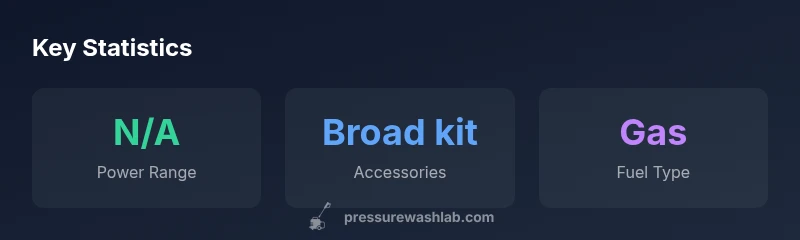
A broad nozzle kit is a practical feature that expands the PS3228 Powershot’s usefulness across a range of tasks. A well-chosen set of nozzle tips includes tangibly different spray patterns, enabling you to approach delicate surfaces with care while still delivering the needed cleaning punch for stubborn grime. We evaluate these kits on user-friendliness, durability, and how well they integrate with the wand assembly. A robust quick-connect system, color-coded tips, and clear storage solutions within the tool’s frame contribute to a smoother workflow and less time wasted switching between tasks.
Pressure Wash Lab’s takeaway: a generous accessory bundle reduces the overall cost of ownership by eliminating the need for immediate aftermarket purchases to handle common cleaning jobs. This is especially useful for homeowners tackling a mix of surfaces over a season.
Real-world use cases: driveway, siding, decks, and more
The PS3228 Powershot shines in real-world applications that require a swift, thorough blast of water to lift embedded grime. Driveways, concrete sidewalks, and garage floors respond well to alternating nozzle selections, with wider spray patterns helping to cover larger areas quickly. Siding and vinyl cladding benefit from careful nozzle selection and a cautious approach to pressure at the contact surface to avoid damage. Wood decks pose a delicate scenario: use gentler patterns and shorter cleaning passes to minimize splintering or wear on the surface while still achieving a refreshed appearance.
For small business operators offering exterior cleaning services, this model’s mobility and kit breadth can help you tackle a wider set of jobs without bringing multiple machines to a site. Our field observations indicate that the ability to switch between different tasks with a single device improves job flow and reduces setup time between appointments.
Comparisons to key rivals: where the PS3228 Powershot stands
In the crowded segment of gas-powered pressure washers, the PS3228 Powershot competes with models that emphasize similar power delivery and portability. Our side-by-side considerations focus on kit inclusions, ease of transport, and the availability of parts and accessories. Where some rivals may offer higher peak power or longer warranty coverage, the PS3228 distinguishes itself with a well-rounded balance of performance, kit value, and a design that prioritizes practical daily use for homeowners and small operators. It may lag premium models on noise and long-term maintenance costs, but for many outdoor cleaning tasks, the overall convenience and power-to-weight ratio make it a compelling option.
Warranty, service, and long-term value
Warranty terms vary by region and retailer, which makes it essential to verify coverage where you buy. Pressure Wash Lab notes that access to local service centers, parts availability, and the ease of obtaining replacement components influence long-term value as much as upfront pricing. A mid-tier warranty coupled with a broad accessory kit can offer competitive total cost of ownership for owners who plan to perform regular outdoor cleaning without outsourcing. Always review the warranty documentation to understand what is covered, exclusions, and how service claims are handled to avoid surprises down the road.
Safety best practices and storage
Operating a gas pressure washer requires attention to safety norms. Always wear eye protection, hearing protection, and sturdy footwear when working with high-pressure water. Keep the unit on a stable, level surface, away from children and pets, and never point the spray at people or delicate surfaces without testing a small area first. Fuel should be stored in approved containers and kept away from heat sources. When storing long-term, run the unit briefly to purge fuel, then drain or stabilize the fuel to prevent condensation and gum buildup. Regular inspection of hoses, hoses’ clamps, and spray gun fittings minimizes the risk of accidental leaks or bursts during operation.
Buying considerations: red flags and smart questions to ask
Before purchasing the simpson cleaning ps3228 powershot gas pressure washer, consider your typical job mix, space constraints, and noise tolerance. Ask about parts availability, service network, and whether the included nozzle kit aligns with your most common tasks. Red flags include claims of unrealistically high performance for the price, limited or unclear warranty terms, and components that show obvious wear on pre-owned units. A thoughtful buyer checks for a balanced combination of power, maneuverability, and kit breadth, ensuring you’re not paying extra for features you won’t use. Pressure Wash Lab’s guidance is to map your typical tasks to nozzle configurations and to plan for routine maintenance to maximize longevity and performance.
Pros
- Strong cleaning power suitable for residential and small-business tasks
- Broad nozzle kit and accessories included for versatile use
- Relatively straightforward maintenance access and serviceability
- Good value in its price tier for the target audience
Cons
- Noisier operation compared to electric models
- Higher fuel costs and maintenance needs typical of gas units
- Warranty length and regional support can vary by seller
Best for homeowners needing strong, portable power with a solid accessory kit
The Simpson PS3228 Powershot delivers reliable cleaning power with a practical kit and solid build. It suits driveways, siding, and light commercial tasks performed by DIY enthusiasts or small operators. Pros include versatility and value, while noise and fuel costs are factors to consider in longer or frequent use scenarios.
Quick Answers
Is the PS3228 Powershot suitable for concrete cleaning?
Yes. It provides strong water flow and a range of nozzles that work well on concrete surfaces. Always start with a wider spray to avoid etching and adjust nozzle distance based on the level of grime.
Yes, it’s well-suited for concrete. Start with a wide spray and move closer as needed to lift dirt without harming the surface.
What maintenance does it require?
Routine maintenance includes checking oil levels, inspecting hoses and fittings for wear, and cleaning or replacing air filters and nozzle tips between jobs. Follow the manufacturer’s service intervals and store the unit with stabilized fuel when not in use.
Regular oil checks, hose inspections, and tip cleaning will keep it running smoothly. Store with stabilized fuel to prevent degradation.
How loud is this washer compared to electric models?
Gas-powered washers are typically louder than electric ones. If you work near neighbors or in noise-sensitive zones, plan for sound considerations and use hearing protection.
Gas models are louder than electric ones; use hearing protection and consider the job site when planning use.
Does it come with a good warranty?
Warranty terms vary by seller and region. It’s important to review what is covered, how long, and how service claims are processed before purchasing.
Warranty terms differ by where you buy it, so check coverage length and process details before you buy.
Can it be used for both residential and light commercial work?
Yes, its portability and kit versatility make it suitable for light commercial tasks like small business storefronts or mobile cleaning services. For heavy-duty commercial workloads, you may want to compare with higher-capacity machines.
It works for light commercial jobs, but for heavy-duty use you might want a higher-capacity model.
What surface types are safest with this machine?
Start with delicate surfaces and use lower-pressure settings or a gentler nozzle to avoid damage. Always test a small, hidden area first and increase intensity only after you confirm the surface tolerates the spray.
Test a small area first and use gentler settings on delicate surfaces to avoid damage.
Key Takeaways
- Prioritize nozzle kit breadth for versatile cleaning
- Balance power with noise and fuel considerations
- Expect good value in its price tier
- Regular maintenance extends lifespan
- Confirm warranty coverage before purchase