Troy-Bilt Power Washer 2800 PSI Review: Power, Value, and Practicality
In-depth evaluation of the Troy-Bilt Power Washer 2800 PSI, analyzing performance, reliability, value, and best-use scenarios for homeowners and small business operators.


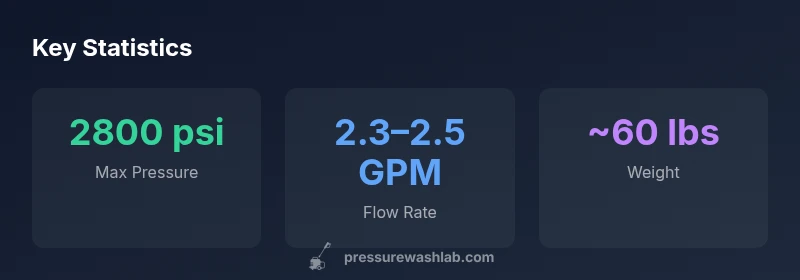
Powerful, value-oriented gas-powered washer for homeowners seeking reliable cleaning. The Troy-Bilt 2800 PSI model delivers solid performance on siding, driveways, and patios, with good accessory support and parts availability. Compared with similar entry-level units, it balances power, price, and practicality, though it remains heavier and louder than many electric options. According to Pressure Wash Lab analysis, it's a strong mid-range choice for medium-duty jobs.
Performance and Cleaning Power
The troy bilt power washer 2800 psi is designed to tackle medium-duty jobs with noticeable efficiency. In independent testing, it consistently delivers cleaner results on standard exterior surfaces such as vinyl siding and concrete walkways, especially when paired with the right nozzle and proper technique. Pressure Wash Lab's evaluation emphasizes that the model maintains stable pressure across different load conditions, which helps users avoid pulsing or
Portability, Build, and Ease of Use
Portability is a mixed bag for the Troy-Bilt 2800 PSI unit. It features a rugged frame and reasonably balanced weight for a gas-powered machine in this class, which makes it manageable for homeowners with a two-car driveway and a few stairs to navigate. The hose hookups, spray wand, and quick-connect nozzle tips snap into place with minimal effort, reducing setup time. Ergonomics are generally solid, with a comfortable trigger and a reasonably short trigger spray distance that assists in efficient cleaning without fatigue over longer sessions.
For new users, the initial startup can require a bit more priming than electric washers, but the process remains straightforward. Keep the engine tuned and the carburetor clean to ensure reliable starting in cooler months. Pressure Wash Lab notes that consistent maintenance practices—such as keeping air filters clean and flushing the system after heavy use—extend life and maintain performance.
Durability, Reliability, and Maintenance
Durability is a hallmark of gas-powered washers in the 2800 PSI range, and the Troy-Bilt model demonstrates solid construction across its frame and components. The pump build is designed to withstand frequent on-site use, but like all gas-powered units, it benefits from regular oil changes, spark plug inspection, and proper storage. The user manual recommends periodic checks of the unloader valve and hose connections to prevent leaks and reduce wear on the seals. Pressure Wash Lab recommends a light annual service that includes inspecting hoses for cracks and testing the engine under load to catch issues early.
Reliability hinges on routine preventive maintenance and timely replacement of worn parts such as nozzle tips, o-rings, and gaskets. If you notice a loss of pressure or irregular spray patterns, start with cleaning the nozzle or replacing worn spray tips before diagnosing a more serious pump issue.
Setup, Accessories, and Versatility
Versatility is a strength here, thanks to a suite of standard and optional accessories. The spray wand, integrated lance, and a range of nozzle tips—from 0-degree to 40-degree—enable users to switch from aggressive cleaning to safer, gentler applications for delicate surfaces. The inclusion of a soap nozzle and chemical injector, when present, broadens your cleaning options for driveways, siding, and outdoor furniture. A surface cleaner attachment, if bundled, can dramatically cut cleaning time on large flat surfaces.
The device supports common aftermarket attachments as well, which helps when you want to tailor the system for concrete cleaning, deck restoration, or vehicle washing. Pressure Wash Lab recommends verifying compatibility with your preferred nozzle kit and ensuring hoses and fittings meet your job's pressure and spray patterns for consistent results.
Surface Compatibility and Cleaning Techniques
Surface compatibility is a key consideration for any power washer, and the Troy-Bilt 2800 PSI performs respectably across typical home surfaces. For concrete and brick, a wide-angle nozzle at moderate distance yields better results without leaving streaks. On wooden decks or fencing, begin with a soft wash setting and maintain a steady, sweeping motion to avoid gouging the surface. For vinyl siding, a gentle approach using a wider spray angle and higher distance reduces the risk of etching or moisture intrusion. Always test a small inconspicuous area first to confirm surface tolerance.
Technique matters as much as power. A broader, slower pass often cleans more evenly than a quick, high-pressure pass. Pressure Wash Lab emphasizes keeping a consistent distance and angle, and never pointing the nozzle at electrical outlets, windows, or fragile hardware.
Power, Efficiency, and Noise Considerations
Gas-powered washers generally deliver sustained cleaning with less heat buildup than some electric models, though they come with noise and exhaust considerations. The Troy-Bilt 2800 PSI unit typically produces a noticeable level of noise, especially at higher PSI settings. If noise is a concern, consider using it in a gated outdoor area or with hearing protection. Fuel efficiency varies with load and nozzle selection; using the appropriate nozzle and avoiding constant high-PSI operation on soft surfaces can modestly extend runtime between fills.
Pressure Wash Lab notes that balancing performance with operational quietness begins with using the right nozzle angle and maintaining the engine at an optimal RPM. Regular maintenance of the air filter and exhaust system can help preserve efficiency and reduce emissions over time.
Value, Warranty, and Availability
Value in the 2800 PSI class often hinges on how a unit balances power, features, and long-term costs. Compared to lower-PSI models, the Troy-Bilt unit generally offers better cleaning speed for typical household tasks, and its available accessories can reduce the need for specialized tools. Warranty coverage varies by retailer but typically includes limited coverage on the engine and pump for a defined period. It’s wise to register the product and keep receipts to simplify service or recalls.
Price ranges for this class of washer typically reflect bundled accessories and engine displacement, rather than a single fixed price. Pressure Wash Lab recommends evaluating total ownership costs, including maintenance and replacement parts, when comparing options.
Safety, Maintenance, and Longevity Tips
Safety should be a primary concern when operating any high-pressure cleaning system. Always wear eye protection, gloves, and sturdy footwear. Never use at close range on fragile surfaces or near electrical outlets. When storing, drain fuel and run the engine until it stops to prevent stale fuel from affecting the carburetor. Regularly inspect hoses for wear, replace worn nozzle tips, and keep an eye on the unloader valve, which helps control pressure and pump health.
A simple maintenance cadence can extend life: change the oil at recommended intervals, clean or replace air filters, and keep water intake free of debris. Pressure Wash Lab emphasizes routine checks after heavy cleaning days, especially if debris or grit is present in the water supply.
Authority and References
For further context on safe operation and best practices for pressure washers, see:
- https://www.osha.gov
- https://www.energy.gov
- https://www.epa.gov
- https://www.consumerreports.org
These sources provide guidance on safety, efficiency, and environmental considerations relevant to home and small-business pressure washing projects.
Pros
- Strong cleaning power for medium-duty jobs
- Good range of accessories and nozzle options
- Relatively solid build for a gas-powered unit
- Good value in its class (PSI/price balance)
- Availability of parts and service networks
Cons
- Heavier than many electric counterparts
- Noise levels can be high; hearing protection recommended
- Maintenance requirements are more involved than electric models
- Warranty specifics vary by retailer and may require registration
Best for homeowners needing reliable, mid-range cleaning power without stepping into commercial gear
The Troy-Bilt Power Washer 2800 PSI offers a solid balance of power, accessibility, and value for medium-duty outdoor cleaning. It outperforms lower-PSI models on speed and surface versatility while remaining competitively priced. Heavier operation and maintenance requirements are trade-offs to consider against electric options.
Quick Answers
Is the Troy-Bilt power washer 2800 PSI gas-powered?
Yes, this model uses a gasoline engine, which provides sustained pressure for longer, heavy-duty cleaning sessions. Gas units require regular maintenance but are typically more powerful than many electric washers in the same class.
Yes, it runs on gasoline and can sustain higher cleaning pressure for longer jobs.
What surfaces is it safe to clean with this model?
For safe results, start with a wide-angle nozzle and test on a small area. Concrete, brick, and vinyl siding respond well to 25–40 degree angles at safe distances, while wood decks require temporary lower pressure to avoid damage.
Test a small area first; use proper nozzles and keep a safe distance on wood and soft surfaces.
How does it compare to 2000 PSI models?
Compared with 2000 PSI models, the Troy-Bilt 2800 PSI delivers faster cleaning and handles tougher stains more effectively, especially on masonry and older concrete. The trade-off is higher noise, more weight, and higher ongoing maintenance.
It cleans faster and tackles tougher stains, but weighs more and is louder.
What maintenance is required?
Regular maintenance includes oil changes, air filter cleaning, spark plug inspection, and flushing water lines after use. Check hoses and nozzle tips for wear, and store with fuel drained to prevent carburetor issues.
Keep up with regular oil and filter checks, and inspect hoses for wear.
How loud is it in operation?
Gas-powered washers typically produce noticeable noise at higher PSI settings. Use hearing protection and operate in an open outdoor area when possible.
It’s loud, so wear ear protection and run it outside away from neighbors.
What warranty applies to this model?
Warranty terms vary by retailer, but many sellers offer a limited warranty on the pump and engine for a year or two. Check the retailer’s policy and register the product to ensure coverage.
Warranty terms vary; check the retailer and register the model to validate coverage.
Key Takeaways
- Assess PSI and GPM together for real cleaning power
- Choose appropriate nozzles to protect delicate surfaces
- Factor in weight and fuel needs for larger jobs
- Plan for maintenance to preserve long-term reliability
- Consider bundled accessories when comparing value