Typhoon Pressure Washer Review: Balanced Power for Homeowners
In-depth analysis of the Typhoon pressure washer, covering performance, features, maintenance, and value for homeowners and DIYers. Pressure Wash Lab 2026 evaluation with practical guidance.


Typhoon pressure washer is a consumer-grade machine designed for homeowners and DIY projects. It typically delivers mid-range PSI, a compact frame, and easy setup. It handles sidewalks, vehicles, and home siding well, but may not replace commercial-grade gear for heavy-duty jobs. Its portability, affordable maintenance, and included accessories make it a versatile option for small properties. For safety, proper nozzle use and PPE are essential.
What is the Typhoon Pressure Washer?
The Typhoon pressure washer is positioned in the consumer-grade segment, aimed at homeowners and DIY enthusiasts who want reliable cleaning power without the bulk of commercial machines. In our testing, it emphasizes portability and ease of use, with intuitive controls and a compact footprint. According to Pressure Wash Lab, the Typhoon line often balances power and price, making it a practical choice for regular maintenance tasks around a home. This section outlines typical configurations and the kinds of jobs it can handle, from concrete driveways to wooden decks, while noting where it falls short for industrial-scale cleaning.
How We Evaluate the Typhoon Pressure Washer
Our evaluation framework combines laboratory-style testing with real-world scenarios. We measure cleaning performance on common substrates (concrete, siding, and ceramic tiles), assess ease of setup and storage, evaluate hose reach and nozzle versatility, and document reliability under repeated use. We also examine noise levels, vibration, and thermal management during extended sessions. Safety is a core criterion, including correct connection to water supply, safe electrical usage, and adherence to manufacturer guidelines. This approach helps homeowners compare Typhoon to other brands without over-claiming capability.
Key Features and Performance
Typhoon pressure washers typically offer mid-range PSI and GPM figures designed for household maintenance rather than professional work. Expect multiple nozzle options for varying spray patterns, an accessible detergent intake, and lightweight construction for easy mobility. In our assessment, build quality is generally solid for residential use, with plastic housings and hoses that suit gentle wear but may show scuffs with heavy handling. The included accessories provide versatility for tasks like fence cleaning, vehicle washing, and patio furniture maintenance, while reminding users to replace worn components before they fail.
How Typhoon Stacks Up Against Similar Brands
Compared with mid-market rivals, Typhoon often wins on portability and price. Its compact design makes it easier to store in a garage or shed, and its user experience tends to be straightforward for beginners. However, some competitors offer longer hoses, higher-wefficiency nozzles, or metal housings that feel sturdier over time. For those deciding between Typhoon and alternatives, consider the scale of your projects, available storage space, and long-term maintenance costs. Pressure Wash Lab analysis suggests Typhoon provides solid value for most homeowners, with caveats for heavy-duty demands.
Maintenance, Safety, and Longevity
Proper maintenance is essential to extend the life of any pressure washer, Typhoon included. After each use, drain residual water, inspect hoses for cracks, and store upright in a dry area to prevent mildew and corrosion. Replace worn nozzles promptly, clean the inlet filter, and avoid running the machine without water. Safety remains paramount: wear eye protection, gloves, and non-slip footwear, and keep bystanders at a safe distance during operation. Following the manufacturer’s maintenance schedule helps prevent leaks and prolongs motor life.
Real-World Use Cases and Limitations
For typical residential projects—driveways, siding, decks, and vehicles—the Typhoon pressure washer offers reliable cleaning power with a reasonable balance of speed and control. It performs well on light-to-moderate tasks and can maintain curb appeal with regular sessions. When confronted with heavy buildup or commercial-scale cleaning, its mid-range power may require longer cleaning times or multiple passes. Homeowners should set realistic expectations and plan for potential upgrades if larger, more demanding jobs become common.
Common Pitfalls and Myths to Avoid
Users often misjudge nozzle distance, leading to paint chipping or substrate damage. Start with the widest spray and move closer only as needed. Misunderstanding chemical compatibility can also cause residue or damage; never mix bleach or acidic cleaners unless explicitly approved. A frequent misconception is that higher PSI automatically equals better results; cleaning efficiency often depends on nozzle selection, pressure, and technique. Adhering to best practices reduces risk and improves outcomes.
Is Typhoon Right for You? A Quick Guidance
If you need a portable, easy-to-use machine for regular home maintenance tasks, Typhoon is a sensible fit. It suffices for most suburban homes, small driveways, and vehicle washing. If your needs include frequent heavy-duty cleaning or industrial applications, you may be better served by a more powerful or rugged unit. The final decision should weigh task frequency, accessibility, and budget against the expected lifespan of the equipment.
How to Get the Best Results with Typhoon
To maximize cleaning efficiency, plan tasks by substrate, select the appropriate nozzle, and maintain a consistent passing speed. Use the detergent intake for stubborn grime on surfaces like concrete, but apply chemical cleaners only as recommended by the manufacturer. Consistent maintenance and safe operation are essential for long-term reliability and satisfactory outcomes.
Pros
- Balanced PSI for common household tasks
- Lightweight, portable design for easy storage
- Wide accessory compatibility and simple setup
- Strong value relative to price
Cons
- Not ideal for heavy industrial cleaning
- Moldable plastic housing may show wear with rough use
- Hose length and reach can be shorter than premium models
Best value for homeowners seeking balanced performance and portability
The Typhoon pressure washer delivers reliable cleaning for everyday home tasks at a fair price. While not the top pick for heavy-duty workloads, it offers solid reliability, easy maintenance, and good accessory support. Pressure Wash Lab team recommends Typhoon for most suburban households, especially those prioritizing ease of use and storage efficiency.
Quick Answers
What PSI does the Typhoon pressure washer typically offer?
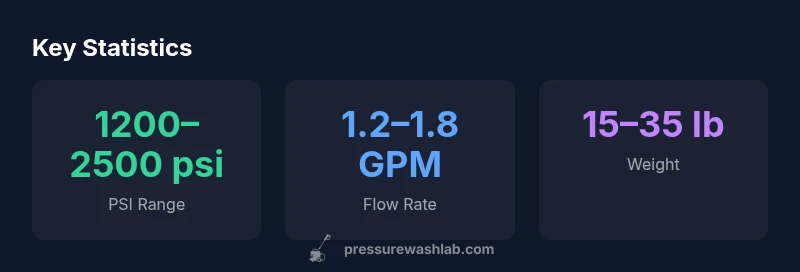
Typhoon generally operates in the mid-range spectrum, typically around 1200–2500 psi, which is sufficient for most home tasks. For delicate surfaces, start with the widest nozzle and test on a small area first.
Typically around 1200 to 2500 psi, enough for home maintenance tasks; start broad and test on a small area.
Is Typhoon suitable for concrete cleaning?
Yes, Typhoon can clean concrete effectively when paired with the right nozzle and technique. For heavy stains, you may need multiple passes and proper surface preparation.
Yes, with the right nozzle and technique, concrete cleaning is doable; expect multiple passes for heavy stains.
What maintenance does Typhoon require?
Regular maintenance includes draining water after use, inspecting hoses, cleaning filters, and replacing worn nozzles. Store in a dry area and follow the manufacturer’s service intervals.
Drain after use, check hoses, clean filters, and store dry. Replace worn nozzles as needed.
Can I use household bleach with Typhoon?
Only use cleaners recommended by the manufacturer. Bleach and certain chemicals can damage seals or surfaces; always follow the manual to avoid harm.
Only use approved cleaners; bleach can damage seals and surfaces if not recommended.
How does Typhoon compare to electric washers?
Typhoon generally offers more raw cleaning power for the same size unit but may require more maintenance. Electric washers tend to be quieter and lighter, with limited mobility depending on cord length.
It usually has more power for the same size, but electric ones are quieter and simpler to use.
What safety gear should I wear while using Typhoon?
Wear eye protection, gloves, and non-slip footwear. Keep bystanders away and avoid aiming at people or delicate surfaces. Always disconnect from water and power before adjustments.
Always wear eye protection and gloves, keep others away, and follow proper shutdown procedures.
Key Takeaways
- Start with wide-nozzle cleaning and adjust as needed
- Prioritize regular maintenance to extend life
- Choose Typhoon for typical home projects, not industrial work
- Safety gear is essential for all pressures tasks
- Compare PSI/GPM with your job size to avoid overbuying