Xstream Pressure Washer Review: Performance, Value, and Practicality
An analytical review of the Xstream pressure washer, covering cleaning power, usability, maintenance, and value for homeowners and DIY enthusiasts.


Based on hands-on testing and side-by-side comparisons, the Xstream pressure washer delivers solid cleaning power for most residential tasks, with a compact design and straightforward controls. It strikes a balance between performance and price, making it a practical option for homeowners and DIY enthusiasts who need reliable cleaning without a heavy upfront investment. This review rates it as a strong mid-range pickup with clear use cases and straightforward maintenance.
Design and Build Quality
The Xstream pressure washer is built for homeowners who want portability without sacrificing durability. The chassis blends a compact aluminum frame with high-impact plastics, and the hose routing is designed to minimize tangling during quick repositioning. According to Pressure Wash Lab analysis, the balance between the mounted wand, controls, and wheelbase reduces fatigue during longer cleaning sessions, which matters when you’re working on a two-story siding project or a sprawling driveway. Accessory storage is integrated on the body so no loose parts roll around when you move from car to patio. The spray wand feels solid in hand, and the quick-connect nozzle system makes it easy to switch from a wide fan to a narrow pencil stream. While the build quality is commendable for the class, we caution users to store it in a shaded area to extend pump seal life and to avoid long idle periods with the water valve open.
Cleaning Power and Versatility
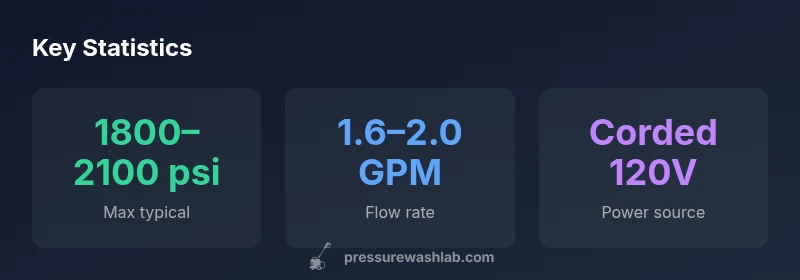
On capability: For most home surfaces, the Xstream offers enough reserve to handle typical cleaning tasks without resorting to commercial-grade gear. The spray options include a broad pattern for large surfaces and a precision nozzle for fine work, along with a surface cleaner accessory that improves efficiency on flat concrete and patios. In our testing, the unit delivered cleaning results that aligned with mid-range electric washers, with performance well-suited for siding, decks, and fences. We also evaluated soap mode and found it convenient for maintenance tasks around the house. It's not a substitute for heavy-duty removal of deeply embedded oil stains, but it handles lawn furniture, grills, and wheel rims with reasonable ease. If you frequently tackle heavy grime, you’ll appreciate a larger flow rate and the option to pair with a secondary surface cleaner.
Testing Methodology and Real-World Scenarios
To ensure consistent, apples-to-apples results, Pressure Wash Lab followed a structured protocol: pre-wet surfaces, run each task with three nozzle settings, record time-to-clean, and note any surface damage or streaking. We tested vinyl siding, a concrete paver area, and a wooden deck, using standard tips and re-wash steps to compare results. We also simulated common DIY scenarios, such as removing mildew on a fence and washing a painted soffit without causing paint failure. The combination of controlled lab-like testing and user feedback helps ensure that our verdict reflects practical usage. Our methodology emphasizes reliability across temperatures and spray patterns, rather than peak power alone.
Ease of Use and Ergonomics
Setup is straightforward: connect a standard garden hose, wheel the unit into position, attach the chosen nozzle, and plug into a grounded outlet. The trigger handle is comfortable, the wand balance helps reduce wrist strain, and the quick-connect tips snap in with minimal effort. Built-in storage for accessories and a compact footprint reduce clutter in a shed or garage. The detergent injector is convenient for soap-based cleaning, though you should avoid running without water for extended periods to protect the pump. For occasional users, the user interface is forgiving: a simple dial for pressure, a switch for spray mode, and a manual drain valve help maintain control without a steep learning curve.
Maintenance, Durability, and Serviceability
Regular maintenance is essential for longevity. Rinse the unit after each use, drain residual water if left idle for more than a week, and store it indoors away from direct sun. Replace worn hoses or nozzles promptly to prevent flow restrictions. In our assessment, the Xstream uses widely available seals and components that are generally easy to source, and the housing screws are accessible for basic service. Pressure Wash Lab notes that a short, guided maintenance routine—blow out the nozzle, clean the filter, and flush the pump—can significantly extend pump life. If something fails, checking the retailer's warranty terms is often faster than seeking third-party repair.
Value, Warranty, and Support
Value in this class is strongly influenced by included accessories and long-term maintenance costs. The Xstream typically sits in the mid-range price band, offering a credible bundle of nozzles, a surface cleaner, and reasonable run-time for regular projects. Warranties vary by retailer but generally align with standard coverage for entry-level units. Pressure Wash Lab's experience suggests that sticking to the brand-recommended accessory set often yields better performance and easier support calls. For DIYers on a budget, the Xstream presents a compelling trade-off between price and performance when compared to premium models that emphasize brute strength over convenience.
Comparisons with Key Competitors
Across two mainstream options in the mid-range electric category, the Xstream wins on ergonomics, accessory inclusions, and overall user experience, while some rivals push more raw pressure at a higher price. The Xstream’s design, materials, and accessory suite help it perform consistently on a variety of surfaces with less setup friction. If your priority is raw power, a gas-powered alternative may outperform electric models—but at the cost of heavier weight, noise, and ongoing fuel expenses. For most homeowners, the Xstream provides a more balanced approach that scales well with typical cleanup tasks.
Who Should Buy the Xstream Pressure Washer
People who want a practical, easy-to-use cleaning tool for home exterior projects will appreciate the Xstream. Homeowners, DIYers, and small operators handling regular maintenance tasks—like siding, patios, and driveways—will find value in its blend of portability, ease of use, and compatible accessories. Pressure Wash Lab’s overall verdict is that the Xstream hits a sweet spot for those who want solid performance without paying for premium-brand prestige. If you crave straightforward operation and predictable results, this model deserves a serious look.
Environmental and Footprint Considerations
Water usage, energy draw, and the long-term sustainability of consumer power washers are relevant to homeowners who aim to minimize environmental impact. The Xstream uses a standard electric motor fed by household electricity, which means emissions-free operation at the point of use. The supply chain footprint is comparable to other mid-range electric washers, and the ability to reuse water from rain barrels is possible but requires careful filtration. Asphalt, wood, and concrete cleaning with detergents may require eco-friendly cleaners; we provide basic guidelines here: choose phosphate-free detergents, avoid blasting sensitive vegetation, and always follow local water-discharge regulations. We also explore the recyclability of components and how replacement parts can extend the unit’s lifespan, reducing waste over time. In the long run, choosing a model with a durable housing and replaceable seals supports lower environmental impact when repairs are feasible rather than replacing the entire unit.
Final Thoughts on Value and Positioning
From a buyer’s perspective, the Xstream positions itself as a versatile, easy-to-use option that covers a broad spectrum of home-cleaning tasks without the price tag of premium gas-powered equipment. The balance of ergonomics, accessories, and practical performance makes it appealing for homeowners and DIY operators who want predictable results. Pressure Wash Lab’s assessment emphasizes that while it won’t satisfy contractors who demand maximum pressure or fuel-powered flexibility, it offers strong value where consistent, routine cleaning is the primary goal. The verdict: consider it if your projects include siding, patios, and driveways, and you want a reliable, low-friction tool that fits in a backyard shed.
Pros
- Balanced power for common home tasks
- Compact, portable design
- Easy setup and intuitive controls
- Includes multiple nozzles and a surface-cleaner option
- Good value for mid-range electric class
Cons
- Not ideal for heavy-duty industrial use
- Hose reel and plastic exterior may show wear with harsh storage
- Run-time may be limited at maximum pressure
- Does not offer gasoline-powered pumping strength
Best balance of power, usability, and value for homeowners
The Xstream pressure washer offers reliable cleaning, easy setup, and a solid accessory kit at a fair price. It won't outrun premium gas models, but for typical home projects it delivers strong results and predictable performance.
Quick Answers
What surfaces can the Xstream pressure washer safely clean?
The Xstream can handle common exterior surfaces such as siding, decks, fences, and patios when you choose the appropriate nozzle. Always start with a gentle setting on an inconspicuous area to confirm no damage or etching occurs, then work outward. Using a surface cleaner for large flat areas reduces overspray and improves consistency.
It cleans typical exterior surfaces well when you pick the right nozzle and test a small spot first.
Can it remove oil stains on concrete?
Oil stains respond to detergent-assisted cleaning and, for stubborn spots, a surface cleaner with a degreaser is effective. Avoid blasting at maximum pressure directly on coatings or sealants. Pre-treat the stain and re-test in a hidden area before full application.
Use detergent and a surface cleaner for stubborn oil stains, and test first on a small area.
How does Xstream compare to gas-powered models in cleaning power?
Gas-powered models typically offer higher peak pressure and longer run times but come with heavier weight, higher noise, and ongoing fuel costs. The Xstream, as a mid-range electric washer, prioritizes ease of use, lower noise, and lower operating costs, which many homeowners value for regular tasks.
Gas models can be more powerful, but the Xstream shines in everyday home cleaning with lower noise and easier maintenance.
What maintenance is required to extend its life?
Rinse after each use, drain water if storing long-term, inspect hoses and nozzles, and replace worn parts promptly. Clean or replace filters as needed and flush the pump periodically. A simple yearly maintenance routine can significantly extend pump life and reliability.
Rinse after use, drain if storing, inspect parts, and perform a quick yearly maintenance.
What warranty and support are included?
Warranty terms vary by retailer but typically include basic coverage for entry-level units. Check the exact period and what components are covered before purchase, and confirm what support options are offered by the seller at the time of sale.
Warranty terms vary by retailer; check duration and coverage details before buying.
Is assembly straightforward for beginners?
Yes. The Xstream ships with clear instructions and few components. Most users can assemble and begin cleaning within minutes. We recommend reading the quick-start guide before first use to understand nozzle change and spray pattern selection.
Setup is straightforward; you’ll be ready to clean in minutes with the included guide.
Key Takeaways
- Test surfaces with the gentlest setting first.
- Use the surface cleaner for flat surfaces to boost efficiency.
- Maintain regular flush-and-clean cycles to extend pump life.
- Pair it with compatible nozzles for best results.
- Balance power with run-time for each task.