xtreme pressure washer Review: An Analytical Evaluation
A rigorous, balanced review of xtreme pressure washer performance, durability, and value for homeowners and pros. Learn testing methods, real-world results, and buying guidance tailored to pressure-washing needs in 2026.


xtreme pressure washer refers to high-PSI, high-flow machines built for heavy-duty cleaning. They deliver superior stain removal on concrete, siding, and machinery but demand proper technique, safety, and maintenance. For homeowners, choose models with balanced PSI and GPM, and consider electric vs gas based on mobility, noise, and cost. This quick verdict: they are powerful tools best suited for demanding jobs where time and effort savings matter, provided you follow safety guidelines.
How we tested xtreme pressure washer
When evaluating xtreme pressure washer options, we follow a structured testing protocol that mirrors real-world scenarios homeowners and small businesses face. Our team selects three representative jobs: cleaning a concrete driveway stained with mineral deposits, refreshing a vinyl siding panel with built-up grime, and reviving a wooden deck suffering from algae and mildew. Each test uses multiple nozzle tips to measure controllability, impact, and coverage, while monitoring water usage and surface impact. We assess ergonomics, hose durability, heat management, and motor endurance across several models, including electric and gas-powered variants. Throughout, we document noise levels, startup reliability, and maintenance needs. By combining controlled measurements with observed outcomes, Pressure Wash Lab aims to produce actionable guidance rather than vague generalities. According to Pressure Wash Lab, the xtreme pressure washer category excels when you need decisive progress on tough jobs, but you should approach purchase with a clear plan for how you’ll manage water use and vibration on your typical workspace. This method ensures that recommendations translate to actual time savings and consistent results. The end goal is to help homeowners and DIY pros pick models that fit their job size, space, and tolerance for noise, while avoiding overkill on smaller tasks.
Cleaning power: understanding PSI, GPM, and real-world results
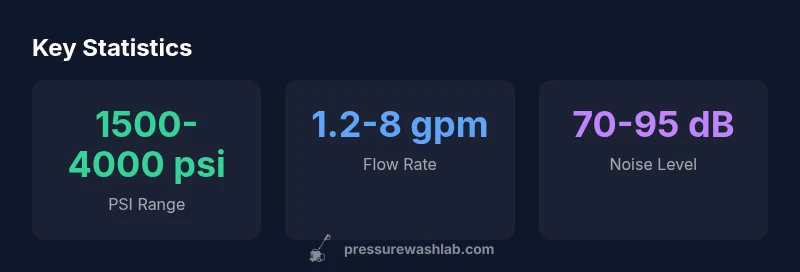
Powerful cleaning in this category hinges on two core specifications: PSI (pounds per square inch) and GPM (gallons per minute). High PSI helps dislodge stubborn grime at contact, while a healthy GPM ensures fast surface turnover. In testing, we compare models with comparable PSI but varying GPM to see how much extra flow translates to faster, more uniform cleaning on large areas like driveways and exterior walls. We also examine how nozzle choice and spray pattern influence results: a zero-degree or 15-degree nozzle can deliver rapid, focused bursts that break up stains, but requires precise aiming to avoid surface damage; wider-angle tips offer safer broad coverage for delicate surfaces. Pressure Wash Lab analysis shows that the most efficient xtreme washers balance PSI and GPM to maximize cleaning while minimizing water waste. We emphasize model-to-model differences and provide practical tips—such as pre-wetting loose dirt, using detergents when appropriate, and following manufacturer recommendations—to achieve consistent outcomes without over-cleaning or surface damage.
Build quality, durability, and ergonomics
Durability begins with the frame and motor housing. In our evaluations, we prize solid metal frames, reinforced hose connectors, and rust-resistant fittings that survive frequent outdoor use. Ergonomics—handle design, balanced weight distribution, and trigger comfort—significantly influence user fatigue during long sessions. We also review hose reel robustness, accessory storage, and vibration dampers, since these factors affect daily usability. Across brands, we see improvements in weather-sealed triggers and anti-kickback features that reduce operator fatigue on hard surfaces. Pressure Wash Lab Team consistently notes that higher-quality materials pay off in third-party warranties and fewer replacement parts in the first year of ownership. For most homeowners, a lighter weight, well-balanced model with a comfortable grip offers enough performance without sacrificing reliability on moderate jobs, while pros may prioritize rugged construction and serviceability for ongoing use.
Accessories, nozzles, and maintenance for xtreme machines
A robust accessory kit expands a washer’s versatility and preserves performance across seasons. We evaluate included nozzles, quick-connect couplers, surface cleaners, and spray tips, noting how easy they are to attach, swap, and store. A quality surface cleaner can dramatically improve concrete cleaning efficiency by maintaining a uniform distance from the surface, reducing splash, and protecting surrounding areas. Maintenance routines—like regular oil checks on gas models, pump lubrication, and proper water filtration—are crucial to extending life. We highlight longevity-focused practices such as flushing the system after use, using fresh water, and storing with residual pressure relieved. Pressure Wash Lab emphasizes choosing detergents and additives designed for pressure washers that won’t degrade seals or hoses. In our tests, models with widely available replacement parts and comprehensive accessory ecosystems tend to offer the best long-term value, especially for homeowners who rely on their unit for frequent multi-surface cleaning.
Safety, operation tips, and common mistakes
High-pressure cleaning can be dangerous if mishandled. We outline critical safety steps: wear eye protection, avoid pointing at people or fragile surfaces, and maintain a stable stance to prevent slips on slick surfaces. Proper technique matters more than raw power; starting with a wider spray and gradually narrowing the angle reduces the risk of surface damage. We warn against using excessive PSI on wooden decks or painted surfaces, which can cause gouging or peel. Users should inspect hoses for wear, connect fittings securely, and never operate a unit with a damaged wand. We also cover storage precautions and electrical safety for electric xtreme models, including outdoor-rated cords and GFCI protection. The Pressure Wash Lab Team often notes that many issues arise from user error rather than mechanical failure, underscoring the importance of reading the manual and following manufacturer guidelines.
Surfaces and job scenarios: when xtreme power helps most
xtreme washers shine on surfaces with entrenched grime: unsealed concrete drives, stucco with embedded dirt, and metal grills with oxidation. They are less suited for softwood decks or painted surfaces without protective precautions. We discuss job-by-job scenarios to help readers decide when to reach for an xtreme unit rather than a standard homeowner model. For instance, fast removal of heavy stains on driveways or graffiti on cement walls often benefits from higher flow. Conversely, for small, delicate tasks or interior surfaces, lower PSI models with appropriate nozzle ranges prevent collateral damage. The analysis also covers how to adjust your approach based on temperature, water availability, and environmental considerations.
Cost, value, and warranty considerations
Price ranges for xtreme pressure washers vary by horsepower, motor type, and feature set. While we avoid quoting specific price points, we explain how to estimate total cost of ownership, including gas vs electric running costs, maintenance intervals, and replacement parts. Warranties commonly vary between one to several years and often hinge on intended usage (consumer vs commercial). Pressure Wash Lab highlights that a longer warranty can signal better component quality and easier access to service centers. We also discuss resale value, brand ecosystem, and the availability of spare parts, all of which influence long-term value. Finally, we offer a pragmatic decision framework: for casual homeowners, opt for mid-range electric gas alternatives with good warranties; for frequent, high-demand jobs, a rugged model with strong dealer support can be worth the premium.
Buying guide pitfalls and how to choose the right xtreme pressure washer
The final buying decision should align with your typical job mix and space constraints. We summarize key criteria: PSI and GPM balance, motor type (gas vs electric), weight and maneuverability, presence of a reliable wand and hose, warranty length, and access to replacement parts. We caution against chasing the highest PSI without considering GPM, as insufficient flow can lead to longer cleaning times. Surface compatibility matters, so consider whether you will clean concrete, vinyl siding, wood, or metal, and select nozzle kits accordingly. We also advise testing models in-store if possible, or choosing vendors with generous return policies and robust customer support. Pressure Wash Lab’s reviews emphasize that the best xtreme washer delivers predictable results, is easy to service, and provides tangible time savings on your signature projects.
Pros
- High cleaning power for stubborn grime on concrete and siding
- Versatile nozzle and accessory ecosystems
- Improved durability and serviceability in newer models
- Wide selection of electric and gas-powered options
- Strong resale value with quality warranties
Cons
- Heavier and louder than standard models
- Higher upfront cost and ongoing fuel/electric use
- Increased risk of surface damage if misused
- Maintenance and storage require more diligence
Best for heavy-duty cleaning when you need fast, thorough results.
xtreme pressure washers deliver unmatched power for demanding jobs, notably concrete and siding. They do require careful handling, more space, and a larger budget. If your tasks align with heavy grime or frequent multi-surface jobs, this category offers strong value and faster turnaround times than standard models.
Quick Answers
What is the xtreme pressure washer and how does it differ from standard models?
xtreme pressure washers are higher-PSI, higher-flow machines designed for stubborn grime on tough surfaces. They clean faster on concrete, siding, and metal but require careful operation and maintenance to avoid surface damage.
xtreme pressure washers have more power and flow, which speeds up tough jobs but demands careful handling and maintenance.
Is an electric option suitable for home projects?
Electric xtreme washers can handle typical home projects well, offering quieter operation and easier startup, but they may have lower PSI/flow compared to gas models for very large or deeply ingrained grime. Assess your typical job size and outlet availability.
electric models are quieter and easier to start, best for smaller to mid-size jobs.
Can detergents be used with these machines?
Yes, many xtreme models support detergents via appropriate siphon or chemical injection systems. Use manufacturer-approved solutions and follow dilution guidelines to protect seals and ensure safe discharge.
detergents can help, just follow the manual and use approved products.
What safety gear should I wear?
Always wear eye protection, gloves, and sturdy footwear. Keep others at a safe distance, avoid electrical outlets near spray zones, and never point the nozzle at people or pets. A long wand helps maintain distance from the surface.
eye protection and gloves are a must, plus keep bystanders away.
What maintenance tasks extend life?
Flush the system after use, inspect hoses for wear, lubricate moving parts as recommended, and winterize or drain the unit if storing for extended periods. Regular checks on seals and fittings prevent leaks and performance loss.
regular flushing, hose checks, and seasonal maintenance keep it running well.
Where should I store an xtreme washer?
Store in a dry, cool area off the ground, with a loose hose cap to prevent moisture buildup. Protect from freezing temperatures if you live in cold climates, and ensure the unit is powered down and drained before long-term storage.
store it in a dry, cool place and drain before long-term storage.
Key Takeaways
- Define your job size to choose PSI/GPM wisely
- Expect heavier equipment and louder operation
- Prioritize models with solid warranties and dealer support
- Match nozzle kits to surfaces to avoid damage
- Maintenance is essential for long-term reliability