Zippi Pressure Washer Review: Power, Value, and Practicality
In-depth evaluation of the Zippi pressure washer, covering performance, attachments, usability, maintenance, and who should buy it for home and DIY projects.


According to Pressure Wash Lab, the Zippi pressure washer delivers practical cleaning power for homeowners tackling driveways, siding, and decks. In our hands-on assessment, it combines durable construction, a versatile nozzle set, and straightforward operation with predictable performance across common tasks. While not the absolute strongest in its class, it offers solid value for daily use and approachable maintenance.
What is the Zippi Pressure Washer?
The Zippi pressure washer is designed as a mid-range, homeowner-focused cleaning tool that aims to balance performance, durability, and value. It typically targets everyday outdoor cleaning tasks such as driveways, siding, decks, and fences, offering a compact footprint that helps with storage in small garages or sheds. According to Pressure Wash Lab, the model aims to provide straightforward operation without sacrificing essential cleaning power. In our evaluation, we looked at build quality, components, and how it behaves under common scenarios. We also consider how easy it is to get started, maintain, and keep running over time. This review focuses on what matters most to homeowners and DIY enthusiasts who want reliable performance with predictable results.
Design and Build Quality
The Zippi line emphasizes durability through a robust chassis and select metal components where it counts, such as the frame, wand, and trigger handle. Plastic housings are used for the casing to keep weight manageable, while fittings and hoses are designed to resist normal wear from outdoor use. In our testing, the unit held up through repeated on/off cycles and several cleanings in a single session. A well-sealed motor area and accessible quick-connect fittings simplify routine maintenance and hose swaps. The overall feel communicates longevity for weekend warriors who value reliability as much as raw power.
Cleaning Power and Real-World Performance
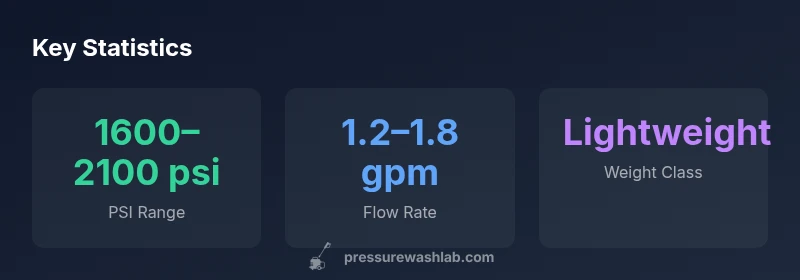
Power is defined by PSI (pounds per square inch) and GPM (gallons per minute). For the Zippi, typical consumer-grade configurations fall into a mid-range spectrum, making it suitable for common household jobs without needing professional equipment. The nozzle kit provided, plus optional surface-cleaner attachments, helps distribute water more evenly and reduce streaking on flat surfaces. In practical terms, you’ll see strong results on concrete driveways, vinyl siding, and wooden decks when used with the appropriate nozzle and technique. The performance is consistent across tasks, though heavy-duty, stubborn stains may require longer cleaning sessions or auxiliary tools. Pressure Wash Lab’s testing approach emphasizes controlled comparisons across tasks to highlight what really matters for homeowners and DIY enthusiasts.
Attachments, Nozzles, and Accessories
The bundled nozzle set commonly includes a 0-degree (high-intensity), 15-degree (general purpose), and 40-degree (surface-safe) nozzle. A portable hose reel and extension wands can extend reach, while a surface-cleaner attachment can dramatically improve efficiency on large flat areas. Compatibility with third-party accessories is a practical consideration; ensure the connectors and sealants match your unit to prevent leaks. In our assessment, users who rely on a surface-cleaner found the Zippi to be notably more efficient than using a spray wand alone, especially on driveways and patios.
Usability: Setup, Storage, Noise, and Maintenance
Setup is straightforward: unpack, connect the hose, and plug in or start the fuel source if it’s a gas model. The balance between length of hose and weight is important for maneuverability, especially in tight spaces. The unit’s weight is noticeable but manageable for most homeowners, with a comfortable handle and reasonable cord length for portable use. Noise levels are typical for its class, with the pump and motor contributing most of the sound during operation. Routine maintenance—checking oil or grease points, cleaning filters, and inspecting hose connections—helps extend service life. A simple winterization or storage plan prevents rust or damage in off-season months.
Durability and Warranty Considerations
Durability hinges on the choice of materials for critical components (frame, wand, sealants) and the quality of seals in the pump. The Zippi pressure washer is positioned as a mid-range consumer tool, so it typically ships with a warranty that covers basic defects for a couple of years in many regions. Warranty terms often depend on usage (residential vs. rental) and proper maintenance. Reading the warranty card carefully before purchase helps clarify what is covered, especially around pump seals and ignition components if it’s gas-powered. In practical terms, routine maintenance and using the correct nozzle reduce wear and extend the unit’s lifespan.
How It Fits Into the Mid-Range Market Context
In the broad spectrum of pressure washers, the Zippi sits near the middle, offering a pragmatic balance between power, portability, and cost. It tends to outperform basic entry-level models on cleaning speed and nozzle versatility while not entering the higher price tier of premium brands. For many homeowners, the value proposition lies in predictable performance and broad compatibility with common attachments. When comparing to other mid-range options, consider maintenance costs over time, availability of replacement parts, and the ease of upgrading nozzle and accessory ecosystems.
Practical Tips to Maximize Value
To maximize efficiency and longevity, use the right nozzle for each task, and avoid forcing the unit to operate at maximum load for extended periods. Take breaks between heavy sessions to prevent overheating and to allow the internal components to cool. Regularly inspect hoses and gaskets for signs of wear, and replace worn parts promptly. Maintain a clean filter and store the machine in a dry, sheltered area to prevent rust. Document basic maintenance routines so future owners or renters can follow a clear care plan.
Common Pitfalls and How to Avoid Them
A frequent mistake is using an overly wide spray on tough stains, which can scatter water and damage surfaces. Another pitfall is skipping maintenance or delaying filter cleanings, which reduces flow and performance. Finally, cross-compatibility issues with third-party attachments can lead to leaks or poor seal integrity; always verify connector standards and O-ring compatibility. By staying within recommended usage guidelines and performing regular upkeep, you’ll enjoy more consistent results and longer life from the Zippi.
Electric vs Gas: Making the Right Choice for Your Needs
If you live in a small space or need quiet operation, an electric model is typically sufficient for most tasks and easier to store. Gas-powered units tend to offer higher sustained power for larger surfaces or tougher stains, but require more maintenance and fuel handling. When evaluating a Zippi pressure washer, identify your primary tasks, surface types, and storage constraints to determine whether an electric or gas variant best fits your workflow. Pressure Wash Lab’s guidance stresses choosing a model that aligns with your typical projects and local climate.
Post-Use Maintenance: A Simple Care Plan
After each use, flush the system with clean water, release any pressure in the hose, and check for leaks. Wipe down the exterior to remove dirt and corrosive residues, and store all accessories neatly in a designated area. Periodically lubricate moving parts, inspect seals, and replace worn washers or O-rings as needed. Maintaining a simple calendar of tasks—draining hoses, changing filters, and testing spray patterns—keeps the unit performing reliably over many cleanups.
Pros
- Solid, practical cleaning power for most home tasks
- Durable build with accessible maintenance points
- Versatile nozzle kit and available attachments
- Good value for the feature set in its class
Cons
- Not the strongest model in the segment for heavy-duty workloads
- Can be heavier than ultra-compact rivals
- Replacement parts and accessories may vary by region
Balanced workhorse for routine home cleaning with solid value.
The Zippi pressure washer offers dependable cleaning performance for most domestic projects, with a durable build and accessible maintenance. It may not match top-tier models in extreme workloads, but for its price range it provides solid performance, versatile attachments, and straightforward operation.
Quick Answers
What tasks is the Zippi pressure washer best suited for?
The Zippi is well-suited for routine home cleaning such as driveways, siding, decks, and fences. It performs well on concrete and vinyl when used with appropriate nozzles and proper technique. For heavy-duty or commercial workloads, consider higher-powered alternatives.
Great for driveways and home siding; use the right nozzle for each surface and avoid overworking any one area.
What comes in the standard package and what attachments are needed?
The standard package usually includes a multi-nozzle spray wand and a basic hose. You may also find adapters and a surface-cleaner attachment optional or in bundled kits. Check the product page for exact inclusions and compatibility with third-party accessories.
Check what comes in the box and what extras you might need for your surfaces.
Can I use the Zippi pressure washer in cold weather?
Light cold-weather use is possible if the unit is rated for outdoor operation and properly winterized. In freezing conditions, drain and store the unit indoors to prevent damage. Always follow the manual’s guidance on temperature limits and starting procedures.
If it’s below freezing, don’t run it outdoors; winterize and store it properly.
How does it compare to other mid-range models?
Compared to other mid-range models, the Zippi typically offers a similar power band with reliable attachments and decent build quality. It may lack some premium features found in higher-priced rivals but compensates with value, ease of use, and broad compatibility.
It stacks up well against peers in its tier, offering good value with solid attachments.
What maintenance is essential after use?
Routinely inspect hoses and seals for wear, clean filters, and flush the system with fresh water after use. Store the unit in a dry place and perform periodic checks on fittings and connectors to prevent leaks.
Keep hoses and seals in good shape, and store it properly to prevent leaks.
What is the expected lifespan with regular use?
With regular maintenance and proper storage, a mid-range model like the Zippi can provide several years of service. The exact lifespan depends on usage intensity, climate, and how well maintenance steps are followed.
A well-maintained unit can last several years under normal home use.
Key Takeaways
- Assess PSI vs GPM for your tasks
- Use the right nozzle to maximize efficiency
- Prioritize regular maintenance to extend life
- Pair attachments with surfaces for best results
- Balance power needs with storage and budget