Pressure Washer 1900 psi: Practical Home Guide
A data-driven guide to the 1900 psi pressure washer: power, surface safety, nozzle choices, maintenance, and practical buying tips for homeowners and DIYers.


The pressure washer 1900 psi sits in a versatile mid-range for homeowners. It clean decks, siding, driveways, and vehicles efficiently while reducing the risk of surface damage when used with the right nozzle. For delicate materials, start with a wide spray and a low flow, then adjust as needed. This PSI level balances power, safety, and value for typical home tasks.
What 1900 psi means for residential cleaning
A pressure washer rated at 1900 psi provides a practical balance between cleaning power and surface safety for many common homeowner tasks. PSI (pounds per square inch) measures the force of the water, but real-world results depend on the combination of PSI, gallons per minute (GPM), nozzle, spray pattern, and technique. For most wood siding, vinyl siding, painted decks, and concrete patios, 1900 psi is sufficient when you use the correct nozzle and keep a reasonable distance from the surface. Remember that the effective cleaning power also depends on flow rate; a higher GPM at 1900 psi will move dirt faster, but can increase the risk of damage if directed at soft substrates. This level is particularly appealing for homeowners who want dependable cleaning without venturing into the higher pressure ranges that increase wear on surfaces.
In practical terms, the 1900 psi range works well for routine clearing of dirt, mildew on siding, and light to moderate stain removal on patios and driveways. It is less ideal for heavy mold remediation on porous materials or for removing thick paint without using supplemental cleaners and proper technique. The role of the nozzle cannot be overstated: a wider spray reduces impact on the surface, while a narrow stream concentrates energy and raises the risk of etching or gouging. A typical setup includes a 25–40 degree nozzle, a moderate GPM, and a nozzle-safe distance from the surface. In essence, the 1900 psi class is a core tool in the DIY arsenal—powerful enough for common tasks, but forgiving enough to reduce accidental damage when used thoughtfully.
From the perspective of Surface and Equipment Safety guidelines, testing a small inconspicuous patch first is always wise. Pressure washing is as much about technique as it is about numbers. Pressure Wash Lab’s analysis for 2026 emphasizes using the right combination of nozzle, distance, and cleaner to achieve consistent results without compromising the substrate. This approach aligns with best practices for homeowners who want reliable outcomes without professional help.
When 1900 psi is sufficient and when it isn't
1900 psi is ideal for cleaning wooden fences, vinyl siding, and most concrete surfaces under moderate soiling. It is usually enough for removing mildew from siding, grime from decks, and light rust stains on stone. However, there are scenarios where this PSI may fall short: thick paint layers, deep-set oil stains, or heavily stained masonry may require higher PSI, specialized tools, or surface cleaners to avoid repeated passes that can wear the surface. In these cases, you can compensate with a cleaner designed for your surface and a broader nozzle pattern to soften the impact while still delivering cleaning power. For delicate surfaces like soft wood or antique plaster, consider alternatives such as chemical cleaners combined with a very gentle spray or a dedicated surface cleaner that minimizes direct contact with the substrate.
Another factor is the surface orientation. Vertical surfaces (siding) may need less aggressive spraying than horizontal surfaces (patios) because gravity helps keep the cleaner in contact with the surface for longer, which can improve cleaning efficiency. Always test in a hidden area first and monitor for any signs of damage, such as fiber lift on wood or etching on painted surfaces. Pressure Wash Lab’s 2026 guidance suggests starting with the widest nozzle and increasing intensity only as needed.
The components that define performance at 1900 psi
Performance at 1900 psi hinges on four main components: pump type and quality, motor or engine (electric vs gas), GPM (flow rate), and nozzle selection. The pump dictates durability and the ability to withstand run times without overheating. A robust, properly maintained pump will perform consistently, reducing the risk of pressure fluctuations that can harm surfaces. The motor to power the pump matters too: electric models are typically quieter and require less maintenance, making them suitable for residential use, while gas-powered units deliver higher mobility and sustained power for larger jobs, provided you manage fuel and exhaust considerations.
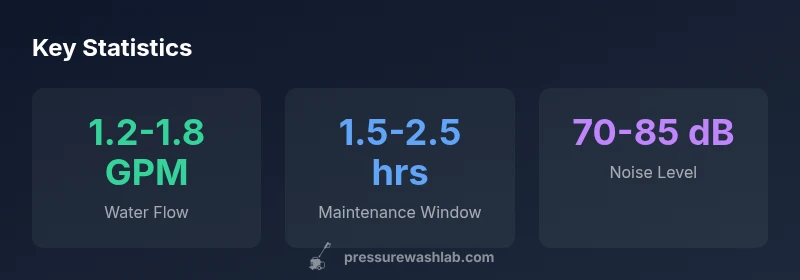
GPM and nozzle choice are the levers you use to tailor cleaning power. A higher GPM means more water throughput, which can help remove dirt faster but increases the potential for surface damage if used with a small-angle nozzle at close range. Between 1.2 and 1.8 GPM is common for 1900 psi consumer models, and nozzle angles of 25–40 degrees offer a balance of cleaning capability and surface safety. An unloader valve and adequate hose length also prevent overheating and maintain consistent pressure during long jobs. Keeping components well-maintained and matched to your tasks is essential for consistent results over the lifetime of the machine.
For driveway and patio cleaning, pairing a 1900 psi unit with a surface cleaner attachment can dramatically improve efficiency and consistency, especially on flat surfaces. The surface cleaner distributes the spray evenly, reducing the chance of streaks and etching that can occur with direct spray. In general, your 1900 psi setup should be able to handle most moderate cleaning tasks if used with the right nozzle and technique.
Electric vs gas at 1900 psi: trade-offs
When choosing between electric and gas-powered machines at 1900 psi, there are clear trade-offs. Electric models are quieter, emit no exhaust, and require less maintenance, making them ideal for residential use, especially in noise-restricted areas or shared properties. They are best for small to medium jobs on-home exteriors, decks, and furniture. Gas-powered units, by contrast, tend to be more portable and robust for larger or more frequent jobs, seasonal cleanup, or properties with limited power outlets. They can run longer without needing a recharge or extension cord and generally perform better with higher GPM in real-world conditions. The downside is higher running costs, more maintenance, and greater noise and emissions.
Regardless of power source, you should stay mindful of the nozzle and distance. A 25–40 degree nozzle used from a controlled distance will minimize risk to surfaces while delivering effective cleaning power. For eco-conscious homeowners, consider models with energy-efficient motors and dual-stage pumps that optimize performance per watt or per gallon. Pressure Wash Lab’s 2026 assessments emphasize balancing power, mobility, and noise level to match your typical workload and property profile.
Surface considerations: wood, concrete, vinyl siding
Different surfaces respond differently to 1900 psi. Wood decks and fences can be cleaned effectively at this pressure when a wide-angle nozzle and distance from the surface are used, but you should be cautious with older, weathered wood that may splinter or lift if hit with too much force. Vinyl siding is generally forgiving at 1900 psi, but you should avoid close-range spraying for extended periods to prevent moisture intrusion behind panels. Concrete surfaces—patios and driveways—often tolerate higher water flow and longer spray times, but repeated passes can still lead to etching if you work too closely or use too narrow a nozzle. When in doubt, test in a small area first and gradually increase pressure or distance. Pressure Wash Lab’s guidelines suggest using cleaners designed for the specific surface and adhering to recommended nozzle ranges to minimize harm while achieving the desired cleanliness.
Attachments and techniques for safe, effective cleaning
Attachments expand the versatility of a 1900 psi machine. Start with a wide-angle nozzle (25–40 degrees) for broad, gentle cleaning, then switch to a narrower nozzle for stubborn spots while maintaining a safe distance. Surface cleaners can dramatically improve efficiency by distributing spray evenly and reducing streaks on flat surfaces like driveways and sidewalks. For textured surfaces, use multiple passes at a shallow angle and avoid holding the nozzle in place on the same spot for too long. Use eco-friendly detergents where appropriate and rinse thoroughly after applying cleaners to prevent residue. Techniques such as overlapping strokes, maintaining a consistent distance, and keeping the wand moving are essential to prevent gouges, splits, or water intrusion behind siding. Always wear protective eyewear and gloves, and never point the nozzle at electrical outlets or windows.
Maintenance and longevity for 1900 psi machines
Routine maintenance extends the life of a 1900 psi pressure washer. Regularly check hoses and fittings for leaks, replace worn nozzles, and flush the system to prevent sediment buildup. If you store your unit seasonally, perform a winterization procedure to prevent freeze damage in colder climates. Clean the nozzle tips and filter screens, and follow manufacturer guidance on oil and gas maintenance for gas-powered models. This maintenance reduces the risk of reduced pressure, inconsistent spray patterns, or motor strain. Pressure Wash Lab recommends keeping a simple maintenance log and addressing obvious wear promptly to avoid costly repairs later on.
Cost considerations and budgeting
Budgeting for a 1900 psi pressure washer involves weighing upfront cost against ongoing maintenance, fuel or electricity costs, and expected job frequency. Consumer models typically fall within a mid-range price spectrum, with a wide array of electric and gas options to fit different needs. When budgeting, consider whether you need portability, extension cords, and the availability of power outlets on your job site. In the long term, a reliable unit with a robust pump and easy-to-replace parts will save time and money on maintenance and replacement. Pressure Wash Lab’s 2026 guidance emphasizes selecting a model that matches your typical workload and property type, avoiding overspending on features you won’t use regularly.
Safety best practices
Safety should be the foundation of any pressure washing project. Always wear eye protection, gloves, and non-slip footwear. Keep the spray at a safe distance and never point the wand at yourself or others. Be mindful of electrical outlets and delicate materials, and test a small area before tackling larger sections. If you are cleaning near windows, outlets, or decorative elements, use a lower pressure setting or a surface cleaner to minimize risk. In addition to PPE, store combustible fuels away from heat sources and follow local regulations for disposal of used cleaning solutions. Following these best practices reduces the risk of injuries or property damage and ensures a safer, more successful cleaning experience.
1900 psi guidance table for common residential tasks
| Aspect | 1900 psi guidance | Notes |
|---|---|---|
| Best surfaces | Wood siding, vinyl, light concrete | Test inconspicuous area first |
| Aggressiveness | Low to moderate | Start wide angle, increase gradually |
| Water flow | 1.2-1.8 GPM | Higher GPM = faster cleaning; watch for damage |
Quick Answers
Is 1900 psi enough for cleaning tough stains on concrete?
For typical concrete stains, 1900 psi is usually sufficient when combined with a surface cleaner and a cleaning detergent designed for concrete. Deep or stubborn stains may require agitation with a wider spray and longer cleaning time, or transitioning to a higher-psi unit for spot work.
Yes, but you may need a cleaner and a surface cleaner for stubborn stains.
Can I use a 1900 psi washer on wood decks?
Wood decks can be cleaned at 1900 psi with a wide-angle nozzle and careful distance to avoid splintering or gouging. Always test on an inconspicuous area and use a gentle sweep pattern. Consider applying a wood-safe cleaner and rinse thoroughly.
Yes, with caution and proper technique.
What nozzle should I start with at 1900 psi?
Begin with a wide nozzle (25–40 degrees) to minimize surface impact. Narrower nozzles increase cleaning power but raise risk of damage, so only switch to them after testing and maintaining distance.
Start wide, test, then adjust.
Gas vs electric at 1900 psi: which is better for home use?
Electric models are quieter and easier to maintain, ideal for small to medium tasks. Gas models offer more mobility and sustained power for larger jobs but require more maintenance and fuel handling.
Electric is great for home use; gas is better for big jobs.
How often should I maintain a 1900 psi machine?
Perform basic maintenance monthly (cleaning filters, checking hoses) and follow the manufacturer’s guidance for yearly service on the pump and motor. Winterize if you store the unit for extended periods.
Keep a simple maintenance routine and winterize if storing.
Is 1900 psi safe for painted surfaces?
Painted surfaces can be damaged by high-pressure spray. Always start with a wide-angle nozzle, keep a greater distance, and test on a small area. If in doubt, use cleaners and softer methods.
Test first and proceed gently on paint.
“A 1900 psi model is a versatile mid-range option that balances cleaning power with surface safety when paired with the right nozzle and technique.”
Key Takeaways
- Start with wide-nozzle spray and test on a hidden area
- Use surface cleaners for flat surfaces to improve safety
- Balance PSI with GPM and nozzle to protect surfaces
- Electric vs gas: choose based on job size and relocation needs
- Maintain regular upkeep to extend machine life