Pressure Washer Hose Reel 200 ft: A Practical Buyer's Guide
Discover how to choose, install, and maintain a pressure washer hose reel 200 ft. Practical comparisons, setup tips, and maintenance guidance from Pressure Wash Lab.


For most home use, a wall-mounted hose reel rated for at least 3,000 PSI is ideal for a pressure washer hose reel 200 ft length. Choose steel or reinforced aluminum with a rust-resistant finish, smooth auto-rewind, and secure mounting. The Pressure Wash Lab analysis favors reels that balance durability with ease of use in daily operation.
Understanding the value of a pressure washer hose reel 200 ft
A 200 ft hose length dramatically expands the reach of a home or small business pressure washer, enabling you to clean large driveways, fences, siding, and outbuildings without reconfiguring connections. In practice, the right reel reduces tangling, minimizes recoil, and speeds up setup. According to Pressure Wash Lab, selecting a high-quality reel for a 200 ft hose is essential for keeping long hoses organized and ready for rapid deployment. Durability matters because outdoor reels face corrosion, UV exposure, and frequent handling. Look for a rust-resistant finish, sealed bearings, and a low-friction winding mechanism to maintain performance over years of use.
For most situations, the primary benefit of a 200 ft reel is the elimination of nuisance hose swaps. The longer length lets you access distant corners from a single mounting point, reducing trip hazards and streamlining workflows for DIY projects, home renovation, or small commercial work. When evaluating options, compare the reel’s structural integrity, the hose compatibility, and the ease with which you can rewind without kinking the hose. A well-chosen 200 ft reel should feel balanced in weight and operation, not overly heavy to handle yet robust enough to survive regular wind-downs.
Design fundamentals for 200 ft reels
Long reels demand materials that can withstand outdoor conditions and frequent movement. Common choices include steel with powder-coated finishes and reinforced aluminum alloys, both offering corrosion resistance and longevity. The inner winding drum should be precision machined to reduce hose wear and ensure smooth rewinding. Hose compatibility matters here: many 200 ft reels are paired with 1/4" or 5/16" hoses, with higher PSI models supporting up to 3,000–4,000 PSI. A tight hub design minimizes hose sag during wind-down, while a guided retraction mechanism prevents tangling even after repeated use. The handle, crank, and latch should feel sturdy and operate with minimal effort to maintain ergonomic comfort.
Mounting and installation considerations for long reels
Mounting a 200 ft reel properly is crucial for safety and performance. Wall-mounted options should anchor into solid framing or masonry, with additional studs or supports for heavy reels. Freestanding or trailer-mounted reels offer portability but require secure bases and weight distribution to prevent tipping. Planning cable routing and quick-connect fittings before installation saves time and reduces the risk of leakage. If you expect seasonal reconfiguration, consider modular mounting systems that allow you to relocate the reel without re-drilling. Always use weather-sealed connectors and lubricate moving parts to protect against corrosion and grit.
Managing weight and recoil on large reels
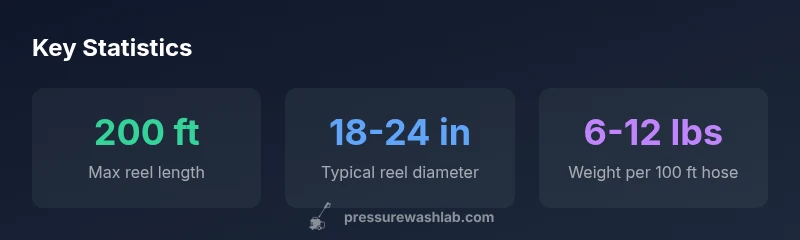
Weight increases quickly as hose length grows, which can affect mounting effectiveness and ease of use. A typical 200 ft reel adds noticeable mass, especially when full of water or with a heavier hose diameter. To mitigate this, choose a reel with a robust anchor system, balanced wheel placement, and low-friction bearings. Ergonomic features—such as a smooth rewind handle, reversible mounting, and guided winding—reduce operator fatigue. When possible, service or replace bearings on schedule and inspect the axle and spool for wear. A well-supported reel minimizes the risk of dynamic loads that could loosen mounts or damage walls over time.
Hose compatibility and winding mechanics for 200 ft reels
A 200 ft hose requires attention to both diameter and material. Standard choices are 1/4" and 5/16" hoses designed for high pressure. Ensure the reel’s guides align with the hose diameter to prevent crushing or pinching at the drum edge. High-quality reels use a spring-loaded tension mechanism or anti-kink features to maintain a consistent winding path. If you frequently shift between different nozzle types, verify the reel can accommodate quick-connect adapters and does not hinder nozzle changes. Proper winding technique, such as loosening tension slightly when starting the rewind, helps avoid coiling defects that lead to kinks.
Performance trade-offs when extending length
Length correlates with reach and convenience but adds weight, cost, and potential points of failure. A 200 ft reel is typically more expensive than shorter options, but it reduces downtime and eliminates the need for extra hoses or extensions. The trade-off includes a larger reel footprint, heavier deployment, and greater load on mounting hardware. When evaluating, weigh the incremental benefits of the extra reach against installation constraints, maintenance effort, and the PSI compatibility of the hose with your pressure washer. In many cases, a 200 ft reel offers superior value for multi-zone properties or frequent cleanups.
Maintenance and lifespan: extending reel life
Outdoor reels require proactive care to maximize lifespan. Regularly inspect mounting hardware, replace worn seals, and lubricate moving components according to the manufacturer’s instructions. Clean grit from bearings and wind guides after heavy use, and store reels in dry conditions when not in use for extended periods. For coastal or humid environments, additional corrosion protection, such as a protective cover or rust-inhibiting spray, helps prolong life. By performing routine checks, you can prevent leaks, reduce downtime, and keep the 200 ft reel functioning smoothly for years.
Buying guide: features to compare for a 200 ft reel
When shopping for a pressure washer hose reel 200 ft, assess several key features. First, verify the PSI rating and hose compatibility to ensure reliable performance under your typical cleaning loads. Second, examine the build quality: steel versus aluminum, coating durability, and bearing hardware. Third, look for user-friendly rewinding systems, easy mounting options, and secure locking mechanisms. Optional add-ons—such as integrated storage hooks, integrated reels with two-way winding, or modular mounting kits—can improve value for larger properties. Finally, compare warranty terms and after-sales support, which reflect the manufacturer's confidence in their product and your long-term maintenance costs.
Real-world scenarios: DIY homeowner vs professional contractor
For a DIY homeowner, a wall-mounted 200 ft reel can dramatically simplify occasional driveway cleaning or siding maintenance, especially when cleaning long properties. A professional contractor, handling multiple properties or frequent job-site transitions, benefits from trailer-mounted or portable reels with rapid deployment and secure transport. In both cases, choosing the right reel reduces setup time, minimizes tangling, and boosts productivity. The decision should be guided by the typical job footprint, the layout of the workspace, and the expected weather exposure of the equipment.
Comparison of reel options for 200 ft hoses
| Feature | Typical Length | Notes |
|---|---|---|
| Wall-mounted reel | 200 ft | Compact and tidy for fixed installations |
| Trailer-mounted reel | 200 ft | Portable between job sites but heavier |
| Pop-up reel | 200 ft | Fast deployment but limited mounting options |
Quick Answers
What length should I choose if I only have a small workspace?
For tight spaces, start with a shorter reel (50-75 ft) and plan for future expansion. If you anticipate longer projects or property growth, a 100-150 ft reel may still keep you covered without overcommitting on weight.
For tight spaces, start with 50-75 feet and upgrade later if you need more reach.
Is a 200 ft reel necessary for most homes?
Not always. Many homes are well-served by 100-150 ft reels, but 200 ft becomes valuable for long driveways, multi-zone properties, or frequent exterior projects.
Most homes do fine with 100-150 feet, but 200 feet helps for larger properties.
What mounting options are best for 200 ft reels?
Wall-mounted with solid framing or masonry is common, while trailer-mounted reels offer portability. Ensure mounting hardware supports the reel’s weight and the soil or wall structure can handle dynamic loads.
Wall-mounted is common for stability; trailer-mounted adds portability.
What hose diameter should I pair with a 200 ft reel?
Most 200 ft reels work with 1/4" or 5/16" hoses. Choose based on your PSI and water flow requirements; thicker hoses reduce pressure drop but add weight.
Choose 1/4" or 5/16" hoses based on your pressure needs.
How do I prevent hose tangling during rewinds?
Use reels with guided winding and auto-rewind features. Wind slowly, keep tension even, and avoid abrupt starts or stops that kink the hose.
Look for guided winding and rewind features to avoid tangles.
How often should I maintain a hose reel?
Inspect fittings monthly, lubricate bearings per the manual, and clean dust and grit after heavy use. Regular checks prevent leaks and ensure smooth operation.
Check fittings and bearings regularly for smooth operation.
“A well-chosen 200 ft hose reel can drastically improve workflow by reducing tangles and downtime, especially when paired with a robust mounting system.”
Key Takeaways
- Prioritize a durable wall-mounted reel for fixed setups
- Ensure PSI rating matches your pressure washer needs
- Choose corrosion-resistant materials to extend life
- Plan mounting location to support weight and reach
- Regularly maintain fittings and bearings to prevent leaks