Vinyl Siding Soap Pressure Washer: A Practical Guide
Learn to safely clean vinyl siding with a soap-based pressure washer. This 1800-word how-to covers detergent selection, prep, technique, safety, and maintenance for durable, clean siding.


Using a vinyl siding soap pressure washer, you’ll safely clean exterior siding by applying a mild soap solution and rinsing away dirt with a wide-angled nozzle. This guide covers selecting the right soap, prepping the area, avoiding damage, and performing a step‑by‑step wash. Follow PPE tips and test patches to protect your siding and plants.
Why vinyl siding benefits from a soap-based wash
Vinyl siding is designed to withstand routine cleaning, but aggressive high-pressure jets can lift seams, force water behind panels, or push dirt deeper into textures. A vinyl siding soap pressure washer approach uses a mild soap solution to loosen embedded dirt, grime, and algae while a wide spray nozzle minimizes impact on the surface. In practice, a soap-based wash reduces streaking and helps keep the siding looking uniform. The key is to combine a gentle cleaning chemistry with controlled water flow from the right distance. As you proceed, always test a small, inconspicuous patch first and monitor how the surface responds.
Pressure Washing Lab’s experience with vinyl siding cleaning confirms that a cautious start with low to moderate spray intensity, paired with era-appropriate detergents, leads to safer, more consistent results over brute force methods. By maintaining a steady rhythm—pre-wet, apply soap, rinse—homeowners protect the siding while achieving a clean, fresh appearance.
Safety first: preparing your space and tools
Before you spray, ensure nearby plants, outlets, and trim are shielded or covered. Wear protective eyewear, gloves, and long sleeves, and avoid climbing extensions near gutters. Never aim the spray at glass, electrical fixtures, or outlets; water intrusion here can be dangerous and costly to fix. If you’re working on a two-story home, prioritize stable footing and consider professional assistance for elevated areas. A quick drum-roll checklist helps: disconnect power tools in the area, tape vent openings, and place drop cloths where splash risk is high. The goal is to create a safe, controlled environment that supports effective cleaning without damage.
Soap and detergents: choosing a siding-friendly option
The best vinyl siding soap pressure washer setup uses a mild, low-alkaline soap designed for exterior cleaning. Avoid heavy solvents, chlorine-based bleaches, or acidic cleaners, which can degrade finishes and weatherproof coatings over time. If you’re unsure, start with a test patch and rinse thoroughly after a short dwell time. Read product labels to confirm compatibility with vinyl and the absence of caustic additives. Neutral or slightly alkaline detergents, when properly diluted, help lift algae and dirt without harming the surface.
Equipment basics: nozzles, water flow, and spray technique
For vinyl siding, select a wide spray pattern (25 degrees or wider) and avoid ultra-narrow jets that can gouge or etch seams. Keep the nozzle moving and maintain a consistent distance from the siding—generally far enough to prevent water from contacting sensitive areas while still penetrating grime. If the siding has pronounced texture or crevices, use a soft-bristle brush in combination with your soap to gently lift stuck deposits. Always start at the bottom and work upward to prevent dirty runoff from marring clean areas.
Reading the surface and patch testing: the small‑scale proof
A patch test on a hidden area confirms how the siding reacts to your soap and spray pressure. If the color or texture appears altered, stop and adjust your approach. Common adjustments include reducing dwell time, widening the nozzle, or diluting the detergent more. Patch testing also helps you gauge rinse requirements and ensures you won’t uncover streaks after finishing. The goal is to achieve a uniform, residue-free finish without masking problems under the soap.
The rinse sequence: step from soapy area to clean surface
Rinsing is as important as washing. Begin rinsing from the bottom up, using a wide fan setting and a steady, overlapping pattern. Move slowly to guide loosened grime away from the surface rather than forcing it into seams or under trim. Re-rinse any areas that still show soap residue, as leftover detergent can attract more dirt between cleanings. A final pass with a clean water spray helps ensure a spotless result.
Spot-cleaning and maintenance after washing
After the siding dries, inspect for missed spots or staining. For stubborn spots, re-wash those sections with a focused, gentle approach rather than aggressive scrubbing. Regular maintenance—cleaning every season or two—helps prevent buildup that requires harsher methods later. If you notice color fading or material damage, stop immediately and reassess your method. Proper technique preserves curb appeal while protecting the vinyl siding’s integrity.
Quick-start checklist for beginners
- Gather a mild vinyl siding detergent, wide-nozzle spray, and PPE.
- Test a small patch before full cleaning.
- Wet the area, apply soap from bottom to top, then rinse bottom to top.
- Inspect the surface after cleaning and re-wet if needed.
- Store equipment safely and keep plants shielded during next cleaning cycle.
Tools & Materials
- Pressure washer with adjustable nozzle(Prefer cold-water unit; use wide spray nozzle (25 degrees or wider).)
- Siding-safe detergent or soap(Mild, low-alkaline; avoid bleach or harsh solvents.)
- Wide-angle spray nozzle(25-degree or wider; helps prevent surface damage.)
- Extension wand or surface cleaner (optional)(Useful for high or textured sections; not required for all homes.)
- Protective gear(Goggles, gloves, long sleeves, and closed-toe shoes.)
- Garden hose(To pre-wet surfaces and dilute detergent as needed.)
- Brush or sponge(Soft-bristle brush for stubborn spots; avoid wire brushes.)
- Drop cloths or plastic sheeting(Protect landscaping and nearby surfaces from overspray.)
Steps
Estimated time: 60-90 minutes
- 1
Prep the area
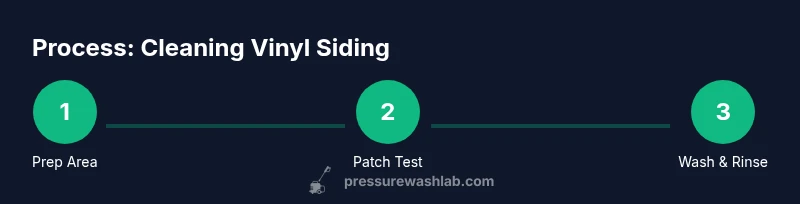
Clear the space around the house, cover plants and outlets, and ensure stable footing. Remove loose dirt and debris to reduce the amount of grime the wash must lift. This foundation step minimizes mess and protects sensitive elements.
Tip: Protect shrubbery with plastic sheeting to prevent detergent contact. - 2
Patch test a small area
Choose an inconspicuous panel and apply the soap solution. Rinse after a brief dwell to observe any color change or texture impact. If there’s no adverse reaction, you can proceed more confidently.
Tip: Wait a few minutes to observe for any immediate reactions. - 3
Prepare the soap solution
Mix your detergent according to the label in a separate container. Avoid mixing with other cleaners unless specified. A well-diluted solution prevents residue and protects your siding’s finish.
Tip: Label your mixing container to prevent accidental reuse of the soap for other chores. - 4
Wet the surface
Rinse the siding with clean water to remove loose dirt. A pre-wet helps the soap adhere more evenly and reduces suction on the paint film.
Tip: Start at the bottom edge and work upward to control runoff. - 5
Apply soap from bottom to top
Apply a light, even coat of the soap solution across the siding. Focus on grimier sections but keep the spray at a safe distance to avoid driving water into seams.
Tip: Work in small vertical stripes to avoid streaks. - 6
Rinse from bottom to top
Switch to a clean water spray and rinse the siding from bottom to top, overlapping each pass. Ensure all soap is flushed away to prevent film buildup.
Tip: Keep the nozzle moving to prevent water pooling in textured areas. - 7
Spot-clean stubborn areas
If stains persist, reapply a light soap solution to the spot and gently scrub with a soft brush before rinsing again.
Tip: Avoid aggressive scrubbing that can mar the surface. - 8
Dry and inspect
Let the siding air-dry in natural conditions and inspect for missed spots or streaks. If needed, perform a quick follow-up rinse on any areas that didn’t look clean the first time.
Tip: Schedule a follow-up check after a rain shower for best results.
Quick Answers
Is it safe to use a pressure washer on vinyl siding?
With the right technique and a wide spray nozzle, you can safely clean vinyl siding. Avoid point-blank spraying at seams or damaged areas, and use a mild soap to minimize the risk of surface damage. Patch testing is essential before wider application.
Yes, safely using a pressure washer for vinyl siding is possible when you maintain a wide spray and test patches first.
What detergent should I use on vinyl siding?
Choose a mild, low-alkaline detergent labeled for exterior vinyl siding. Avoid bleach, ammonia, or solvent-heavy cleaners that can degrade the finish over time. Dilute according to the product instructions.
Use a mild siding detergent and follow the label—avoid harsh cleaners.
Do I need special equipment beyond a standard washer?
A wide-angle nozzle, a gentle spray routine, and protective gear are often enough. An extension wand or surface cleaner can help on large or textured surfaces, but are optional for typical homes.
A wide nozzle and safety gear are usually all you need; add extras if your siding is extensive.
Can I clean gutters or plants nearby with the soap wash?
Protect plants and gutters with coverings and avoid spraying directly into them. Detergents can be gentle, but direct contact with foliage or metal components should be avoided.
Protect plants and gutters, and avoid direct spray on them.
How soon can I repaint after cleaning with soap?
If you plan to repaint, wait until siding is completely dry and inspect for any cleaning-induced damage. Most projects proceed after the surface is clean and dry.
Wait until the siding is fully dry before repainting.
Watch Video
Key Takeaways
- Test patches before full cleaning to protect siding.
- Choose mild, siding-safe soap and a wide nozzle.
- Rinse bottom-to-top to reduce streaks and runoff.
- Inspect after drying and address missed spots promptly.