Can You Pressure Wash Brick: A Practical Guide for Homeowners
Learn how to safely pressure wash brick without damaging mortar or surrounding landscaping. This practical guide covers best practices, equipment, step-by-step instructions, and professional tips for homeowners and DIY enthusiasts.


Yes, you can pressure wash brick, but you must do it safely. Use low pressure, a wide-angle nozzle, and a gentle sweeping motion to avoid mortar damage. Always protect nearby plants and outlets, test on a hidden area first, and never blast directly at grout joints or loose bricks during cleanup.
Understanding Brick and Mortar: What You’re Cleaning
Brick exteriors provide durability and a classic look, but they are porous and sensitive to aggressive cleaning. When you pressure wash brick, you’re not just removing dirt; you may also force water into tiny pores, which can damage the brick surface or dissolve mortar if done with too much force. A thoughtful approach balances cleaning power with preservation. According to Pressure Wash Lab, the most consistent results come from low to moderate pressure, wide spray patterns, and careful planning. Start by identifying the brick type (soft lime mortar vs. cement mortar) and note any existing cracks or deteriorated joints. If the brick is painted, you may need to consider paint removal challenges before washing, as paint can trap moisture or fail under high-pressure streams. Before you begin, study the season and weather. Dry conditions help bricks dry evenly and reduce the risk of moisture entering the home’s interior walls. Finally, recognize that some brick surfaces respond best to alternative cleaning methods, such as detergents and gentle brushing, rather than direct blasting with water.
The Risks of High Pressure on Brick Masonry
High-pressure streams can erode mortar joints, spall brick faces, and push water into the mortar bed. This is especially risky on older homes where lime mortar is softer than modern cement-based mortars. Aggressive pressure can cause efflorescence, salt deposits, and freeze-thaw damage over time. To minimize risk, avoid 0-degree or high-PSI settings, keep the wand moving, and maintain a consistent distance from the wall. If you notice chips, loose bricks, or significant crumbling, pause and reassess your approach. Pressure washing should supplement, not replace, careful cleaning with brushes and detergents when necessary. Remember: brick is porous and moisture retention can lead to mold or efflorescence if not allowed to dry properly.
Prep Steps to Minimize Damage Before You Start
Clear the area around the wall; remove planters, furniture, and pets from the vicinity. Protect sensitive landscaping with tarps and painter’s tape. Inspect the surface and patch any cracks with appropriate masonry filler. Gather all tools and cleaners, test the setup on a hidden area, and organize a plan that starts at the top and ends at the ground. Schedule the cleaning for a dry day when there’s no immediate rain in the forecast. Finally, ensure electrical outlets or gas lines are safeguarded and confirm you have a stable water supply.
Choosing Equipment and Detailing Nozzles
Select a pressure washer with adjustable output and set it to the lowest effective pressure. Attach a wide-angle nozzle, typically 25–40 degrees, to deliver a broad, forgiving spray. Avoid 0-degree or high-velocity nozzles that concentrate force. If you have a surface cleaner attachment, use it on flat brick surfaces to reduce streaking. Use non-bleach, brick-safe detergents following the product directions and perform a spot test first.
Cleaning Techniques: Step-By-Step Low-Pressure Methods
Begin with a top-down pattern and maintain a sweeping motion as you work downward. Maintain a steady distance from the wall, typically a few inches away, to prevent mortar damage. Use short, overlapping passes to avoid streaks or missed areas. If the dirt is stubborn, apply a brick-safe cleaner and let it sit briefly before rinsing with plain water. Rinse frequently to avoid soap residue. For hard-to-remove efflorescence, a light brush and careful agitation can help without chewing into the bricks.
Aftercare and Maintenance
Allow bricks to dry completely before applying any sealant. If you choose to seal, use a breathable penetrating sealer designed for brick, and follow the manufacturer’s instructions. Revisit the area after 24–48 hours to check for residual moisture or staining. Regular maintenance includes periodic light washing and keeping gutters clear to prevent water runoff from pooling against brick. If you notice recurring mildew or stains, identify the root cause (shading, vegetation, or moisture) and address it.
Test Area, Weather, and Timing Considerations
Always test on a small, inconspicuous patch of brick before wider cleaning. The best conditions are dry, mild days with low humidity and little wind, which helps bricks dry evenly and reduces splash. Plan to clean sections on days when the sun is not directly overhead to avoid rapid drying that can leave uneven spots. If you see staining returning after washing, it may indicate underlying moisture or surface condition that requires professional evaluation. In some cases, cleaning may not be appropriate if bricks are damaged or painted.
Tools & Materials
- Pressure washer with adjustable PSI(Set to the lowest effective pressure; starting gentle reduces risk of damage.)
- Wide-angle nozzle (25-40 degrees)(Provides broad, forgiving spray to protect mortar joints.)
- Detergent or brick-safe cleaner(Non-bleach, pH-balanced; test compatibility first.)
- Garden hose(For rinsing and supplying water; keep pressure steady.)
- Plastic sheeting or tarps(Protect plants, outlets, and nearby surfaces from overspray.)
- Painter’s tape(Seal edges around outlets or delicate features.)
- Safety gear (safety glasses, gloves, mask)(Protect eyes, skin, and lungs from splashes and dust.)
- Stiff-bristle brush(For stubborn stains after washing; use gently on soft mortar.)
- Breathable brick sealer (optional)(Apply only after bricks are fully dry.)
Steps
Estimated time: 60-90 minutes
- 1
Inspect Brickwork
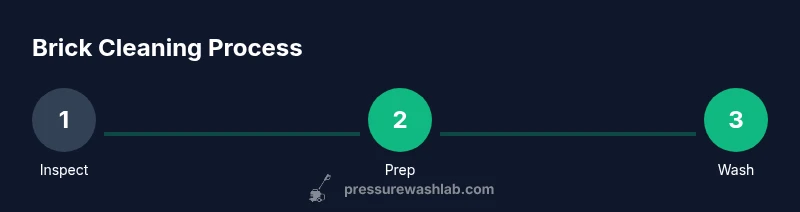
Walk the wall to identify cracks, spalling, and loose mortar joints. Note areas that look fragile so you don’t spray too hard or too long. This upfront check helps tailor your approach and avoid surprises during washing.
Tip: Record damaged spots and plan to treat or repair them separately before washing. - 2
Protect Surroundings
Cover plants, outlets, and nearby surfaces with plastic sheeting or painter's tape. Move outdoor furniture away for safety. This prevents accidental chemical exposure and water damage.
Tip: Secure edges to stop wind from lifting coverings. - 3
Test Patch First
Choose a hidden area and run a low-pressure pass to observe effect on brick and mortar. If you see crumbling or color bleeding, stop and adjust.
Tip: If no negative effects occur after a 1-minute test, proceed to larger area. - 4
Attach Wide-Angle Nozzle
Install a wide-angle nozzle (25–40 degrees) and verify the spray is broad and gentle. Make sure the wand and hoses are secure.
Tip: Avoid 0-degree nozzles at all times on brick. - 5
Start at Top and Work Down
Begin cleaning from the top of the wall and move downward with overlapping passes. Keep the spray moving and maintain a constant distance.
Tip: Keep at least a few inches away from the brick to avoid mortar damage. - 6
Rinse and Inspect Frequently
Rinse each section after cleaning and inspect for missed spots or mortar damage. Use a bristle brush for stubborn dirt (not on delicate areas) and rinse thoroughly.
Tip: If you see moisture entering cracks, pause and re-evaluate. - 7
Finish Drying and Optional Sealing
Allow bricks to dry completely before applying any sealer. If you apply a sealer, choose a breathable product and follow directions.
Tip: Check weather forecast to ensure several dry days after sealing. - 8
Clean Up and Store Equipment
Turn off equipment, drain hoses, and store away in a sheltered area. Return to storage with all attachments.
Tip: Rinse off residue to prevent build-up on equipment.
Quick Answers
Is it safe to pressure wash brick?
Yes, brick can be cleaned with a pressure washer when done carefully. Use low pressure, a broad nozzle, and a sweeping motion to prevent mortar damage. Always protect nearby plants and electrical components and test on a hidden area first.
Yes—brick cleaning is safe when you use low pressure, a wide nozzle, and test a hidden area first.
What pressure should I use for brick?
Avoid high-pressure settings. Start with the lowest effective pressure and increase only if results are insufficient, while always monitoring the brick and mortar for signs of damage.
Start with the lowest effective pressure and only increase if needed, watching for damage.
Can pressure washing damage mortar joints?
Yes, aggressive cleaning can erode mortar joints. Never blast directly at joints; use broad spray and maintain distance to minimize risk.
Yes, aggressive cleaning can damage mortar; use broad spray and keep a safe distance.
Should I use detergents or cleaners when washing brick?
Detergents designed for brick are helpful, especially for stubborn grime. Use non-bleach, brick-safe cleaners and perform a patch test before full application.
Yes, brick-safe cleaners can help; test first and avoid harsh chemicals.
How far should I stand from the wall when washing?
Maintain a safe distance and move the spray in steady, overlapping passes. Start a few inches away and adjust based on brick condition and spray pattern.
Keep a safe distance and move steadily as you wash.
Do I need to seal brick after washing?
Sealing is optional but can help protect cleaned brick. Ensure the brick is completely dry and choose a breathable, penetrating sealer if you decide to apply one.
Sealing is optional; if you do seal, ensure the brick is dry and use a breathable sealer.
Watch Video
Key Takeaways
- Inspect brickwork for damage before washing.
- Use low pressure and a wide spray to protect mortar.
- Test a hidden area first and protect plants and outlets.
- Keep the nozzle moving and maintain distance from the wall.
- Allow full drying and consider breathable sealer if desired.