Greenworks Pressure Washer Parts List: Essential Components and Maintenance
An in-depth, data-informed guide to the greenworks pressure washer parts list, including core components, wear signs, maintenance scheduling, compatibility tips, and DIY replacement steps. Pressure Wash Lab Analysis, 2026.


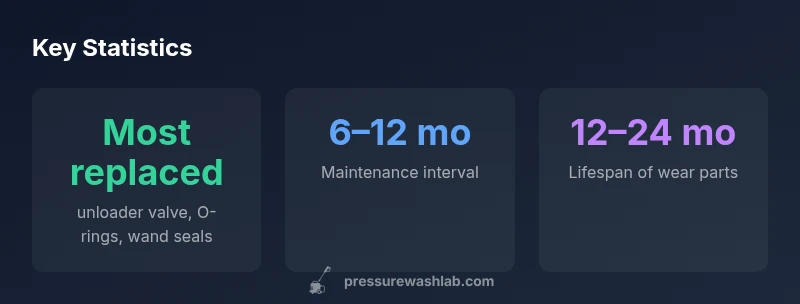
Greenworks pressure washers rely on a core set of replaceable parts. The essential parts list includes the pump and unloader valve, high-pressure hose, spray wand, trigger gun, nozzle tips, inlet filter or water inlet screen, O-rings and seals, a detergent siphon tube, and the power cord or motor controls. Regular inspection and timely replacement keep performance consistent and prevent leaks.
Understanding the greenworks pressure washer parts list
For homeowners evaluating Greenworks equipment, understanding the greenworks pressure washer parts list is essential to diagnose issues quickly and plan replacements. This overview explains the common parts you’ll encounter across many Greenworks models, why they matter, and how wear patterns differ between electric and gas units. While components vary by model, a consistent core set appears across most units, making it easier to stock a compact parts kit and keep downtime to a minimum. Regular familiarity with these parts helps you communicate with service technicians and source compatible replacements without guesswork, a cornerstone of proactive maintenance.
Core components and their roles
- Pump and unloader valve: The pump generates the high-pressure flow, while the unloader valve helps regulate pressure to prevent hose bursts and motor strain.
- High-pressure hose and spray wand: This duo transfers pressurized water to the surface with control and reach. Inspect for cracks or bulges that can cause leaks.
- Trigger gun and nozzle tips: The trigger releases water; the nozzle tips adjust spray pattern and reach. Keep a small set of tips (0, 15, 25, and 40 degrees, color-coded) for different surfaces.
- Inlet filter and water inlet screen: These keep debris out of the pump inlet, extending component life and reducing clogs.
- O-rings and seals: Critical for preventing leaks at joints and along the wand connection.
- Detergent siphon tube: Enables soap application for heavier cleaning jobs without extra tools.
- Power cord or motor controls: Ensure you have a safe, working power connection and appropriate on/off switch behavior.
Note: Exact part dimensions and fit depend on the Greenworks model, so consult your user manual to confirm compatibility.
Wear, failure signs, and when to replace
Look for these indicators of wear or failure:
- Leaks at hose fittings or wand connections indicate worn O-rings or seals.
- Reduced spray pressure or inconsistent flow points to pump or unloader valve issues.
- Cracks or bulges in the high-pressure hose signal imminent failure and potential safety hazards.
- A stiff or sticky trigger, or unusual noises during operation, can indicate internal valve or motor problems.
- Worn nozzle tips produce inaccurate spray patterns or poor cleaning performance. Replace tips with the correct color-coded equivalents.
- Debris or rust near the inlet screen suggests a degraded filter or pump damage. Regularly inspect and clean as part of routine maintenance.
Inventory and maintenance scheduling
Create a simple, model-specific parts kit that includes: 1x pump seal kit, 1x set of O-rings, 1x replacement nozzle tip set, 1x high-pressure hose repair sleeve, 1x detergent siphon tube, 1x inlet screen, and a spare wand gasket. Schedule checkups every 3–6 months for quick visual inspections, with a deeper service every 12–24 months depending on usage. Maintain a log noting part replacements, dates, and model numbers to forecast future needs and avoid downtime.
Model compatibility and choosing the right parts
Greenworks parts vary by model family (electric vs. gas, pump type, voltage). Always verify model numbers, pump type, and nozzle configuration before ordering. Use manufacturer-approved parts or those explicitly listed as compatible. When in doubt, contact customer support or consult the service manual. Using non-compatible parts can lead to poor performance, safety risks, and voided warranties.
Safe DIY replacement steps
- Disconnect from power and relieve all pressure from the system. 2) Identify the part to replace and gather the correct replacement. 3) Depressurize connections and remove fasteners with appropriate tools. 4) Install the new part with fresh seals or gaskets as required. 5) Reassemble and recheck connections for leaks. 6) Re-pressurize the system slowly and test with water flow before full operation. Always wear eye protection and follow local safety guidelines.
Common mistakes and troubleshooting tips
- Mixing parts from different model families can cause misfits and leaks. - Skipping the step to relieve pressure can cause tool injury. - Skipping a visual inspection of hoses and fittings leads to missed leaks. - Not keeping a small parts kit on hand can lead to improvised, nonstandard repairs. - Relying solely on a single component without testing the entire system can mask deeper problems.
Long-term value of a parts list for longevity
A structured parts list supports predictable maintenance, reduces downtime, and extends the life of your Greenworks unit. By tracking wear patterns and stocking compatible replacements, you ensure consistent cleaning performance and cost-effective upkeep over several seasons. The approach also supports easier onboarding for DIY enthusiasts and improves resale value by keeping the machine in road-ready condition.
Structured comparison of common Greenworks wear parts
| Part Category | Function | Typical Lifespan | Notes |
|---|---|---|---|
| Pump and Unloader Valve | Generate and regulate high-pressure flow | 12–24 months | Inspect seals; replace during major service |
| Hose and Wand Assembly | Transmit high-pressure fluid to surface | 6–12 months | Check for cracks; replace if stiffness or leaks |
| Nozzle Tips | Adjust spray pattern | 12–24 months | Use color-coded tips for surfaces |
| Inlet Filter | Screen debris from entering pump | 6–18 months | Clean regularly; replace if discolored or clogged |
| O-Rings and Seals | Prevent leaks at joints | 6–24 months | Replace during major service or if leaks appear |
| Detergent Siphon Tube | Draw cleaning solution | 12–24 months | Check for cracks; replace if damaged |
Quick Answers
What parts should I keep in a basic Greenworks parts kit?
A basic kit should include a pump seal kit, O-rings, a nozzle tip set, a spare high-pressure hose repair sleeve, an inlet screen, and a detergent siphon tube. Having these on hand speeds up repairs and reduces trips to the store.
Keep a pump seal kit, O-rings, nozzle tips, a hose repair sleeve, an inlet screen, and a detergent siphon tube for quick repairs.
Can I use generic parts with Greenworks pressure washers?
Generic parts can work if they are clearly compatible with your model. Always verify part numbers and fit, and prefer OEM parts when possible to preserve performance and warranty.
Yes, but check compatibility and fit; OEM parts are best for warranty and reliability.
How do I know when a part is failing?
Look for leaks, reduced pressure, strange noises, or erratic spray patterns. Visual wear on hoses and seals is a clear indicator to replace parts before a breakdown.
Leaks, low pressure, strange noises, or erratic spray means it’s time to inspect and possibly replace.
What maintenance schedule should I follow?
Perform visual inspections every 3–6 months and a deeper service every 12–24 months, depending on usage. This cadence helps catch wear early and keep performance steady.
Check visually every few months, with a deeper service yearly or bi-yearly if you use it heavily.
Are replacement parts available for older Greenworks models?
Many parts are stocked for older models, but some very old units may require alternative third-party parts or professional sourcing. Always confirm compatibility.
Parts are usually available, but older models may need special sourcing.
What safety steps should I take before replacing parts?
Disconnect from power, relieve pressure, and wear eye protection. Follow the manufacturer’s safety guidelines for your specific model.
Power off, release pressure, and wear eye protection before any replacement.
“A practical parts list is the backbone of reliable maintenance; knowing what to replace and when helps homeowners avoid downtime and costly repairs.”
Key Takeaways
- Audit parts annually to catch wear early
- Keep a compact parts kit for quick fixes
- Inspect hoses and fittings for cracks or leaks
- Use model-compatible parts for reliability
- Document compatibility to avoid misfits
- Follow a regular maintenance schedule to extend life