How to Use Greenworks Pressure Washer: A Practical Guide
Learn how to safely operate a Greenworks pressure washer with step-by-step setup, nozzle selection, detergent use, surface care, maintenance, and troubleshooting tips. Ideal for homeowners and DIY enthusiasts seeking efficient, surface-safe cleaning.


Goal: learn how to use a Greenworks pressure washer safely and effectively. This quick answer outlines the essential steps: prepare your equipment and PPE, connect water, choose the right nozzle, apply detergent if needed, execute a controlled spray from a safe distance, and perform proper cleanup and storage. No matter your project, following these steps protects surfaces and prolongs tool life.
Safety and Prep for Greenworks Pressure Washers
According to Pressure Wash Lab, safest operation begins with protective gear and a well-planned work area. Before you power up, inspect hoses for cracks, check the electrical cord (if electric models), and confirm the water source is clean and free of debris. Wear eye protection, gloves, and sturdy footwear. Clear the project area of pets and bystanders. Place warning signs if children are nearby. Use a GFCI outlet if your unit plugs into an electrical source. Always read the user manual for model-specific warnings. This prep reduces the risk of injuries, water damage, and surface etching. For homeowners and DIYers, planning the sequence helps you avoid backtracking and mistakes. Pressure Wash Lab emphasizes a deliberate start to every job as the most reliable predictor of a safe, successful cleaning outcome.
Tools, Accessories, and Setup Essentials
Before you begin, assemble the core equipment and verify compatibility. The Greenworks unit should be ready with a clean water source, a high-quality hose, and the included nozzle kit. Safety goggles, gloves, and closed-toe shoes protect against high-pressure spray and debris. Keep a spare battery or cord adapter on hand if your model is portable. Attach the wand, confirm tight connections, and ring-test the hose to ensure there are no leaks. Have a soft-bristle brush or deck brush handy for stubborn grime, but avoid metal brushes on painted surfaces. Finally, place a protective drop cloth or tarps where runoff could cause damage. This preparation minimizes downtime and sets the stage for even cleaning results.
Nozzle Selection, Attachments, and Pressure Tuning
Choose the widest safe nozzle for initial passes (often 25° or 40° on many Greenworks models) to cover more area with gentler impact. Switch to a more focused nozzle (like 15°) only for tough spots and at closer range, never at full power on delicate surfaces. Attach nozzles securely and avoid mixing incompatible attachments. If your model supports adjustable pressure, set it to the lowest effective setting to start, then adjust incrementally as needed. The correct nozzle and pressure protect surfaces from etching while preventing recoil injuries. Keep the wand pointed away from you and others while changing tips. This step significantly reduces the risk of accidents and surface damage.
Power On, Test, and Safe Spray Techniques
Power up the unit and engage the water supply, allowing water to purge air from the line. Begin spraying on a small, inconspicuous area to test the impact and adjust distance. Maintain a steady, sweeping motion and keep the wand moving to avoid concentrating force in one spot. Start at a higher distance and slowly move closer if the dirt remains. Do not spray into electrical outlets, vents, or fragile items like loose painting or trim. If you encounter kickback or stiffness in the spray, stop, recheck connections, and consult the manual. This testing minimizes unintended damage and helps you calibrate technique for optimal results.
Detergent Use: When, How, and What to Avoid
Detergents enhance cleaning power on greasy surfaces, mold, and algae, but use them judiciously. Dilute harsh detergents according to the product label and avoid mixing cleaners that could create dangerous fumes or residues. Apply the detergent from a safe distance and allow a brief dwell time that suits the surface—typically 2–5 minutes for exterior siding before rinsing. Use a dedicated foam cannon or low-pressure nozzle if your model supports it. Rinse thoroughly after the dwell to prevent streaks. Detergents may affect plants and soil; protect landscaping and rinse runoff away from edible crops. This approach balances cleaning effectiveness with environmental responsibility.
Cleaning Surfaces: Siding, Driveways, Wood, and Concrete
Different surfaces require tailored techniques. Siding and painted surfaces benefit from a gentler approach with a wide spray and higher distance, whereas concrete driveways tolerate a closer range and broader discarding of stubborn grime. For wood decks, use lower pressure and a wider spray to avoid gouging or splintering. Always test on a hidden area first, especially on fragile finishes. Maintain a consistent distance from the surface to prevent water intrusion into gaps or seams. With each surface, follow up with a final rinse from top to bottom to avoid leaving soap residues and watermarks. This surface-centric approach helps you achieve even results without damage.
Stubborn Stains and Mold: Advanced Techniques
For stubborn stains or moss, pre-treat with a suitable detergent and let it sit briefly before a targeted pass. Use a 15° nozzle or higher, keeping the spray at a safe distance while moving in a steady pattern. For mold or mildew on masonry, a slightly higher dwell time can be effective, but avoid prolonged exposure to soft stones or lime-based surfaces. If discoloration persists, consider a softer brush or professional cleaning method to preserve surface integrity. These strategies extend the life of your surfaces and reduce the need for aggressive scrubbing.
Safety, Environment, and Prolonging Equipment Life
Always respect electronics and water sources during operation. Keep the unit dry and off when not actively cleaning. Store detergents in a cool, shaded place away from children and pets. Rinse the hose and wand after use to prevent mineral buildup and rust. Periodically inspect hoses, seals, and tips for wear and replace worn parts promptly. Proper storage and routine maintenance extend your Greenworks unit’s life and performance. Pressure Wash Lab notes that a well-maintained machine delivers consistent results and reduces the risk of breakdowns.
Maintenance, Storage, and Regular Checks
After use, flush the system with clean water to remove residual cleaner and dirt. Detach and coil hoses neatly, store nozzles in their dedicated holders, and dry all components before storage. Check filters and in-line screens for debris and replace as needed. Keep a log of maintenance tasks, including filter changes and tip replacements, to establish a routine. Regular checks help you catch wear early, minimize downtime, and preserve performance for future projects. Pressure Wash Lab emphasizes proactive maintenance as the best defense against costly repairs and reduced efficiency.
Troubleshooting Common Issues and Quick Fixes
If you experience a drop in pressure, inspect the inlet water supply, check hoses for leaks, and ensure the nozzle is clean. A clogged nozzle is a frequent cause; detach, soak in warm vinegar solution, and rinse thoroughly. If the motor hums but doesn’t start, verify the power source and reset any circuit breakers. For erratic spray patterns, recalibrate the nozzle and re-test on a safe surface. When in doubt, consult the manual or contact customer support for model-specific guidance. Routine checks catch issues early and prevent downtime.
Tools & Materials
- Greenworks pressure washer unit(Ensure model corresponds to your job and is rated for the surface you’ll clean.)
- Hose compatible with your unit(Use clean, kink-free hose with sufficient length for your area.)
- Detergent suitable for pressure washers(Choose a cleaner compatible with your surface and the Greenworks system.)
- Nozzle tips (0°, 15°, 25°, 40°)(Attach securely; avoid using 0° on delicate surfaces.)
- Personal protective equipment (goggles, gloves, sturdy footwear)(Keep PPE on throughout operation.)
- Soft-bristle brush (optional)(For tough grime on concrete or siding without damage.)
- Drop cloths or tarps for landscaping(Protect plants from runoff.)
Steps
Estimated time: 45-60 minutes
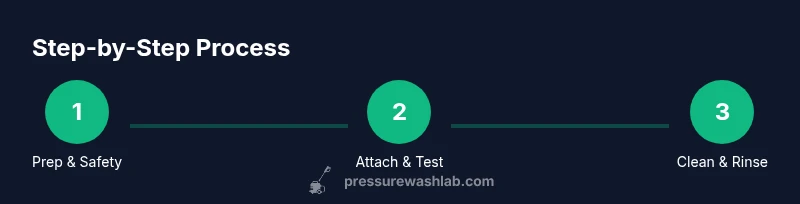
- 1
Prep and safety check
Put on PPE, inspect hoses and connections, verify water supply, and clear the area of people and pets. Wipe down the unit and ensure no leaks before powering on.
Tip: If you detect any damage, do not operate the machine—resolve the issue or consult the manual first. - 2
Attach wand and nozzle
Securely connect the wand and attach the widest safe nozzle for initial cleaning (usually 25° or 40°). Check that connections are tight and the spray pattern is clear before energizing.
Tip: Never swap tips while the system is pressurized. - 3
Test spray on inconspicuous area
Power on, purge air, then test spray on a hidden panel or scrap material. Confirm distance and angle that clean effectively without surface damage.
Tip: Start from far away and move closer slowly as you gauge the reaction. - 4
Apply detergent (optional)
If using detergent, apply from a safe distance and follow the label’s dilution guidelines. Allow a brief dwell time suited to the surface before rinsing.
Tip: Avoid spraying detergent directly onto electrical outlets or sensitive plants. - 5
Rinse surfaces
Switch to a broad nozzle if needed and rinse from top down in smooth, overlapping passes. Maintain steady movement to prevent streaks and etching.
Tip: Keep the wand moving; do not linger on any single spot. - 6
Shut down and clean up
Turn off the machine, release any built-up pressure, and disconnect hoses. Rinse nozzle tips and store equipment properly.
Tip: Drain the hose and dry components to prevent mineral buildup. - 7
Maintenance check
Inspect filters and seals, clean or replace worn parts, and log maintenance tasks for future reference.
Tip: A quick post-project check helps you avoid surprises on the next job.
Quick Answers
What Greenworks models are best for home use?
Greenworks offers a range of models suitable for homeowners and DIY projects. Choose based on PSI, GPM, corded vs. cordless operation, and the size of the area you’ll clean. Start with a mid-range model for versatility and upgrade only if you need more power or mobility.
Greenworks has several home-friendly models; look for a balance of PSI and flow rate to match your projects.
Can I use detergent with a Greenworks pressure washer?
Yes, many Greenworks models support detergents designed for pressure washers. Use the correct cleaner for your surface, dilute per label instructions, and avoid mixing cleaners. Rinse thoroughly after the dwell time to prevent residue.
Detergents are usable if the cleaner is compatible and you follow dilution and rinsing guidelines.
Which nozzle should I start with?
Begin with a wide-angle nozzle (25° or 40°) to cover more area with gentler impact. Escalate to a narrower nozzle (15° or 0°) only for stubborn spots and from a safe distance, never on delicate surfaces.
Start broad, then narrow your nozzle only if needed and safe.
Is it safe to use on wood siding or painted surfaces?
Wood siding requires careful handling: use lower pressure and wider spray angles to avoid gouging or lifting paint. Always test first and keep the spray moving to prevent water intrusion.
Wood needs low pressure and careful technique; test before full cleaning.
How do I prevent nozzle clogs and maintain spray quality?
Regularly flush the nozzle with clean water, inspect and clean filters, and soak clogged tips in a vinegar solution if needed. Replace worn tips to maintain proper spray patterns.
Clean and inspect nozzles routinely to avoid clogging and poor spray.
What safety steps should I take during use?
Wear PPE, keep others away from the spray area, and never point at electrical sources or fragile items. Use a GFCI outlet where required and follow manufacturer safety warnings.
Always wear PPE and keep bystanders clear of the work zone.
Watch Video
Key Takeaways
- Start with safety gear and plan the workflow
- Choose the correct nozzle and moderate pressure to prevent damage
- Detergents boost cleaning but require careful handling
- Follow a top-to-bottom rinsing technique for best results
- Maintain equipment to extend its lifespan