What to Do with a Pressure Washer: A Practical Guide
Learn how to safely and effectively use a pressure washer, from prep and nozzle choice to surface-specific techniques, maintenance, and storage. This guide helps homeowners and DIYers clean driveways, decks, siding, and more with confidence.


With a pressure washer, you’ll learn to clean outdoor surfaces safely and effectively. The guide covers selecting the right nozzle, prepping surfaces, applying detergent when needed, using proper spray techniques, rinsing thoroughly, and performing routine maintenance to extend the unit’s life. You’ll also learn common mistakes to avoid and how to adapt methods to wood, concrete, and siding.
Overview: What to Do with a Pressure Washer
A pressure washer is a versatile tool that can restore the look of many outdoor surfaces, from a weathered deck to a stained driveway. When used correctly, it removes dirt, algae, and grime without damaging the surface. The key is to combine appropriate nozzle selection, cautious pressure levels, proper distance, and safe cleaning routines. According to Pressure Wash Lab, starting with a safety-first mindset and a clear surface plan dramatically improves results while reducing the risk of property damage and personal injury. This section outlines the core purpose of a pressure washer, what surfaces it can treat, and the boundaries of safe operation. By understanding these basics, DIY enthusiasts can decide which projects are suitable and how to prepare for a successful cleaning session.
Safety First: PPE, Electrical, and Water Supply
Safety should come first when using any high-pressure equipment. Wear protective eyewear, gloves, and closed-toe shoes. Keep bystanders away and ensure children and pets are out of the area. For electric machines, use a ground fault circuit interrupter (GFCI) outlet and keep the cord away from wet surfaces. Inspect hoses and connections for cracks before powering on, and never spray near electrical outlets, receptacles, or extension cords. A steady water supply is essential; a dry pump can overheat and fail. When possible, work in daylight and on dry days to prevent slip hazards and water runoff from becoming a slip risk.
Nozzles and Pressure Settings: What to Use and Why
Nozzle selection determines the impact force and cleaning speed. Start with a wide spray angle (40°) for general cleaning and then switch to a narrower angle (25° or 15°) for tougher stains. Avoid using a 0° nozzle on any surface that could be etched or gouged, especially wood and vinyl. Keep the nozzle moving in smooth, overlapping motions rather than holding it in one spot. For delicate surfaces, use the lowest effective pressure and a longer distance to minimize damage. Always consult the surface manufacturer’s guidelines if available.
Detergents: When and How to Use Them
Detergents can boost cleaning efficiency on greasy or algae-covered surfaces, but they must be compatible with your machine and surface. Use detergents designed for pressure washers and follow the label instructions for dilution and contact time. Apply detergent from a safe distance or with a downstream injector if your setup includes one. Rinse thoroughly after applying cleaner to prevent residue and staining, especially on porous surfaces like concrete. Keep plants and grass protected by shielding them or rinsing detergent away from foliage.
Cleaning Techniques for Different Surfaces
Decks: Work from the house outward and top to bottom to prevent dirty water from running onto areas you’ve already cleaned. Use a 25° nozzle at a moderate distance (about 8–12 inches) to lift dirt without splintering wood. Vinyl siding: Maintain a greater distance (12–24 inches) and use a broad spray to avoid visible lines. Concrete driveways respond well to a 25° or 40° nozzle; slow, overlapping passes reduce streaking. For delicate surfaces like painted exteriors, test a small area first and adjust to a lower pressure.
Protecting Surroundings and Environment
Always shield plants, windows, and landscaping before cleaning. Use plastic sheeting or tarps to catch runoff and prevent detergent from entering soil or drainage systems. If possible, perform cleaning away from sensitive plants and water sources. Avoid washing detergents into storm drains; use biodegradable products when available and dispose of dirty rinse water in accordance with local regulations. Cleaning in dry, calm conditions minimizes overspray and water waste.
Common Mistakes to Avoid
Don’t point the nozzle at people, pets, or plants. Avoid high pressure on soft surfaces like wood, stone, or brick without testing. Don’t run with a loose wand, and always release pressure before changing nozzles or turning off the unit. Never spray near electrical outlets or appliances. Finally, don’t neglect post-clean checks; missed spots can leave streaks or residue that attract more dirt.
Quick-Look Cleaning Workflow (Core Process)
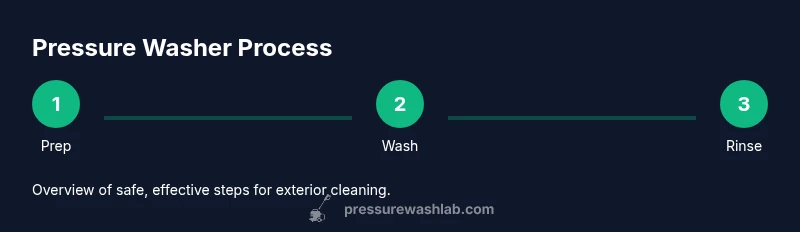
For a typical outdoor cleaning job, start with a quick surface assessment and plan. Remove loose debris, protect nearby plants, and connect the water supply. Apply detergent if needed, scrub stubborn spots with a brush, and rinse from top to bottom in smooth, overlapping motions. Inspect for remaining stains, repeat as necessary, and finish with a thorough rinse. This section provides a practical workflow you can adapt to most exterior cleaning tasks.
Maintenance and Storage After Use
After you finish, flush hoses and spray a clean rinse water through the system to remove detergent residues. Release any built-up pressure by turning off the machine and pulling the trigger. Detach the hose and nozzle, wipe down surfaces, and store in a dry, shaded area. Regularly inspect hoses and fittings for wear and replace damaged components promptly to avoid leaks. Keeping your unit clean and stored correctly extends its life and keeps it ready for the next project.
Environmental Considerations and Waste Water Management
Be mindful of where rinse water goes. If possible, direct runoff to permeable surfaces where it can soak in rather than into storm drains. Use biodegradable cleaners and avoid washing on soil that could wash detergents into streams or ponds. Always follow local regulations about wastewater disposal and consider using a containment plan for large jobs.
When to Call a Pro or Check Warranty
If a project requires higher-than-normal pressure, access behind walls, or involves delicate materials you’re unsure about, don’t hesitate to contact a professional. Serious issues such as damaged siding or moisture intrusion require expert assessment. If your unit is under warranty, consult the manual or the manufacturer before attempting repairs that could void coverage. Pressure Wash Lab recommends weighing safety, risk, and time versus hiring help for complex jobs.
Quick-Start Checklist for Beginners
- Inspect the machine and hoses for wear and leaks. - Verify water supply and electrical safety. - Choose the right nozzle for the surface. - Protect plants and nearby surfaces. - Test on a hidden area before full use. - Use detergent only when needed and as directed. - Rinse thoroughly and store properly after use.
Tools & Materials
- Pressure washer (gas or electric)(Choose a model appropriate for the surfaces you plan to clean and within its rated PSI/CFM.)
- Garden hose with quick-connect fittings(Stable water supply; avoid kinks and ensure it reaches the washer inlet.)
- Nozzle tips (0°, 15°, 25°, 40°)(Use wider angles for sensitive surfaces; avoid 0° on wood or siding.)
- Extension wand (optional)(Helpful for hard-to-reach areas; keep distance consistent.)
- Surface cleaner attachment (optional)(Speeds up flat surfaces and reduces streaks.)
- Detergent suitable for pressure washers (optional)(Only if detergents are recommended for the surface; follow label.)
- Protective eyewear(Shields eyes from debris and spray.)
- Gloves and non-slip boots(Protect hands and improve footing on wet surfaces.)
- Tarp or drop cloth(Shield plants and nearby surfaces from overspray.)
- Brush or stiff scrub brush(Use on stubborn stains before spraying.)
Steps
Estimated time: 60-90 minutes
- 1
Connect water supply
Attach the garden hose to the washer inlet and turn on the water. Run water until you have a steady stream to prime the pump and prevent cavitation. Check for air bubbles and leaks at connections.
Tip: Ensure the water supply valve is fully open before powering on the unit. - 2
Plug in power and switch on
Connect the unit to power and switch it on. Allow the motor to reach operating speed, then verify the spray by triggering briefly over a safe test area. Listen for abnormal noises that could indicate a problem.
Tip: Use GFCI outlets for electric models to reduce shock risk. - 3
Attach nozzle and set spray pattern
Choose a safe nozzle (40° for general use, 25° for stubborn grime). Attach securely and keep the nozzle aimed away from yourself. Begin with the widest angle to reduce surface damage and adjust as needed.
Tip: Never use the 0° nozzle on any surface you care about. - 4
Test spray on a hidden area
Test the spray pattern on a small, inconspicuous spot to observe how the surface responds. If there’s damage or excessive etching, move to a wider angle or increase distance. This protects you from surprises on the full surface.
Tip: Document the test area for reference during the project. - 5
Apply detergent where needed
If using detergent, apply it according to the label and surface compatibility. Use a downstream injector or spray bottle to apply evenly. Let it dwell for a few minutes before rinsing, but don’t let cleaner dry on the surface.
Tip: Keep plants away; protect them with shields if you’re spraying near landscaping. - 6
Clean in overlapping passes
Begin cleaning in small, overlapping passes, moving from top to bottom on vertical surfaces. Keep the nozzle at a safe distance and maintain steady pressure. Pause briefly if you see streaks and adjust your angle or distance.
Tip: Maintain a constant speed to avoid gouging the surface. - 7
Rinse and inspect for missed spots
Switch to a wider angle or increase distance for a thorough rinse. Inspect for any remaining dirt or stains and re-clean targeted areas if needed. Ensure runoff is clear and surfaces are evenly cleaned.
Tip: Use a surface cleaner for large flat areas to speed up the process. - 8
Release pressure and shut down properly
Before turning off, release the trigger to depressurize. Then switch off the machine and disconnect from power or fuel. Detach and drain hoses if storing for an extended period.
Tip: Always relieve pressure before changing attachments. - 9
Store and maintain the unit
Flush remaining water from the system and dry components before storage. Inspect hoses for cracks and clean spray tips. Store in a dry place away from sunlight and extreme temperatures.
Tip: Coil hoses properly to prevent kinks and prolong life. - 10
Cleanup the area
Sweep up debris and wipe down affected surfaces. Dispose of wastewater according to local guidelines. Return tools to their place to prepare for the next project.
Tip: Check local regulations on wastewater disposal.
Quick Answers
Do I need detergent to use a pressure washer?
Not always. Detergents help with greasy or algae-covered surfaces and should be used only if compatible with your machine and the surface. Always follow the product label and rinse completely after application.
Detergents can help on tough grime, but follow the label and rinse well after use.
Can I use a pressure washer on a wooden deck?
Yes, but use a wide-angle nozzle and keep the spray moving to avoid gouging wood fibers. Start farther away and test on a hidden area before proceeding.
Yes, but use a wide nozzle, move constantly, and test first.
What safety gear is essential?
Always wear eye protection, gloves, and sturdy footwear. Keep bystanders away, and protect plants with shields. Ensure the outlet and cords are safe when using electric units.
Protect your eyes and hands, and keep others away.
How far should I stand from the surface?
Begin at a distance recommended by your nozzle (often 8–24 inches) and adjust based on surface response. Too close can cause damage; too far reduces cleaning effectiveness.
Start a little away and adjust as needed for the surface.
Can I wash my car with a pressure washer?
It’s possible with proper technique and a gentle nozzle for vehicles. Avoid high pressure on panels to prevent paint damage; use car-safe detergents and rinse well.
You can, but be careful to use a gentle nozzle and car-safe detergents.
What’s the best nozzle for concrete?
A 25° or 40° nozzle works well on concrete; avoid 0° to prevent etching. Use overlapping passes for even cleaning and consider a surface cleaner for large areas.
Use a wider nozzle like 25° or 40° for concrete and overlap passes.
Watch Video
Key Takeaways
- Choose the right nozzle for each surface.
- Prep, protect, and test before full cleaning.
- Maintain safe distances and steady motion.
- Rinse thoroughly and avoid chemical runoff.
- Store and maintain the unit to extend life.