Where to Use a Pressure Washer: A Practical Guide for Safe Outdoor Cleaning
Learn where to use a pressure washer on driveways, siding, decks, and more. This Pressure Wash Lab guide covers testing, nozzle choices, safety, and maintenance to prevent damage.


This guide shows you where to use a pressure washer responsibly—driveways, sidewalks, siding, decks, and patios—without damaging surfaces. It covers surface testing, nozzle selection, safety checks, weather considerations, and maintenance reminders so you can clean efficiently while protecting your property and yourself. Follow recommended pressure ranges, test patches first, and avoid delicate materials.
Understanding the Core Question: where to use a pressure washer
According to Pressure Wash Lab, understanding where to use a pressure washer begins with surface knowledge and a clear plan. A device can transform dirty concrete, wood, metal, and brick quickly, but applied wrongly it can strip paint, etch wood, or push water into seams. The decision about placement depends on the surface type, its condition, and how sensitive nearby materials are. Before you spray, characterize the area: is the surface old, weathered, or newly painted? Will you be cleaning near plants, electrical outlets, or windows? The goal is to remove grime with a method that preserves the integrity of the material. The phrase 'where to use a pressure washer' often drives homeowners to examine two factors: surface hardness and finish integrity. You should plan to work from top to bottom to avoid streaks and ensure runoff flows away from doors and foundations. Weather matters too: rain or high wind can hamper control and create hazards. Finally, understand the tool you’re using: different surfaces require different nozzles oriented at the right distance, and the highest pressure isn’t always best.
Surfaces that Benefit Most
Driveways and sidewalks made of concrete or brick respond quickly to pressure washing, removing years of grime, tire marks, and mildew. Patios and exterior stairs also frequently benefit when grime is compacted and ingrained. Brick walls show dramatic improvement with careful nozzle use and distance. For wooden decks, a moderate approach often yields good results without tearing up the wood fibers. Metal fences and railings can shine with controlled washing as long as the surface is sound. In all cases, start with the lowest effective pressure and test a small, inconspicuous patch to gauge the surface reaction. Pressure Wash Lab’s guidance emphasizes patience—rushing through a large area can cause uneven cleaning or damage.
Surfaces to Avoid or Use with Caution
Delicate surfaces deserve special handling. Vinyl siding, painted wood, and old stained finishes may blister, peel, or lift if the nozzle is too close or the pressure is too high. Shingles or roofing materials are especially sensitive and can be damaged by direct spray; consider gentler methods or a soft-wash option instead. Glass, doors, and windows can be pushed with spray or water seepage if not shielded. Always assess the surface condition first; if the material already shows chips or cracks, skip high-pressure exposure and explore alternative cleaning methods. Where to use a pressure washer becomes a matter of balancing cleaning power with the surface’s tolerance.
Preparing Your Equipment and Site
Preparing begins with selecting the right tool and protecting non-target areas. Ensure you have a suitable power source (electric or gas) and water supply with a reliable hose. Attach the correct nozzle: 0° or 15° for stubborn stains are powerful, while wider angles reduce risk on delicate surfaces. Check the surface for moisture and set up protective barriers around plants, outlets, and electrical cords. Wear eye protection and gloves, and consider hearing protection for gas-powered units. Clear the area of children and pets. Create a plan to tackle areas from top to bottom and to avoid spraying water directly toward doors or windows. Inspect the machine for leaks and verify that the spray wand and wand tip fittings are secure.
Detergents and Cleaning Solutions
Detergents can enhance cleaning efficiency, especially on greasy driveways or mildew-prone surfaces. Use products that are certified for use with pressure washers and follow label directions. Apply detergents using a soap nozzle or low-pressure spray to avoid oversoaking, then let the solution dwell briefly before rinsing. Never mix household chemicals with pressure washer cleaners unless the manufacturer instructs it; wrong combinations can create hazardous fumes. Rinse thoroughly after the detergent dwell time to prevent residue from attracting more dirt.
Testing and Surface-Specific Techniques
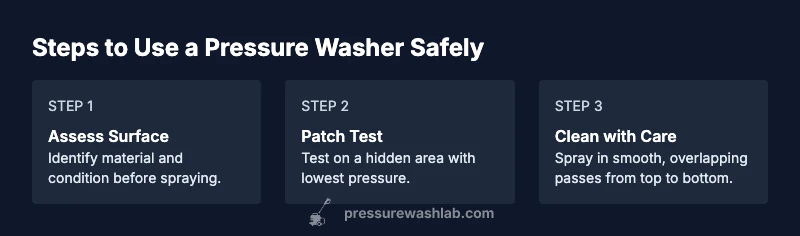
Begin with a small patch on a hidden area to gauge reaction. If the surface shows no damage after a short spray, gradually move to larger sections. For concrete and brick, a steady back-and-forth motion at a safe distance often yields even cleaning. Wood decks require gentler passes and may benefit from a slightly more angled spray to avoid splintering. Maintain a consistent distance, never hold the nozzle in one spot, and avoid high-pressure points near joints or fasteners to prevent gouging. For delicate finishes, switch to a low-pressure setting and a broader nozzle to minimize damage.
Environmental and Safety Considerations
Be mindful of runoff and downstream water quality. Carbon filters and protective barriers can reduce the impact of cleaning agents on plants. Check local regulations about water disposal and avoid cleaning near storm drains. Noise from electric or gas-powered units can disturb neighbors; schedule work during reasonable hours. Wear protective gear and keep spectators at a safe distance. If you are unsure about a surface, consult a professional or perform a patch test that includes pressure, distance, and technique.
Quick Start Surface Checklist
- Assess the surface type and condition.
- Test a patch on a hidden area.
- Choose a suitable nozzle and adjust distance.
- Protect plants and nearby objects; cover windows and outlets.
- Clean in sections, starting at the top and moving downward.
- Rinse and inspect; repeat if necessary, then store equipment properly.
Maintenance and Storage after Cleaning
Rinse the equipment to remove detergent residues and dry all components before storage. Check hoses and fittings for wear; replace damaged parts to prevent leaks. Drain unused water from the unit if the design requires it, and store the machine in a dry, ventilated area. Regular inspection of nozzles and wands prolongs tool life and keeps performance consistent. By following proper storage practices, you reduce the risk of rust, clogs, or mold buildup in your equipment.
Tools & Materials
- Pressure washer (electric or gas-powered)(Choose based on surface type and durability; electric is quieter, gas provides more mobility.)
- Nozzle tips (0°, 15°, 25°, 40°)(Keep extra tips clean and secure; use low-angle tips for delicate surfaces.)
- Garden hose with ample length(Ensure a steady water supply; use anti-kink hose if possible.)
- Detergent or cleaning solution compatible with pressure washers(Only use detergents designed for pressure washers; follow manufacturer instructions.)
- Protective gear (safety glasses, gloves, hearing protection)(Essential for eye and skin protection, especially with gas-powered units.)
- Tarps or plastic sheeting(Use to protect plants, vehicles, and windows from overspray.)
- Sturdy ladder or extension pole(Needed for high areas or hard-to-reach spots; ensure stable setup.)
- Extension cord (outdoor-rated) if using an electric unit(Keep cords clear of spray path and water exposure.)
- Soft-bristle brush for stubborn grime(Useful for pre-scrubbing tough areas before washing.)
Steps
Estimated time: 1-2 hours
- 1
Inspect surface and plan
Identify material type, assess condition, and set realistic expectations for cleaning outcomes. Decide if you’ll use high-pressure for stubborn stains or a gentler approach for delicate finishes.
Tip: Document potential trouble spots and plan to test them first before broader cleaning. - 2
Test a small patch
Choose an inconspicuous area and spray with the lowest effective pressure. Observe for any surface damage or color change before proceeding.
Tip: If there is any sign of damage, switch to a milder setting or alternative method. - 3
Select the proper nozzle
Match the nozzle angle to the surface: wider angles for delicate finishes, narrow angles for stubborn grime on hard surfaces. Attach securely.
Tip: Always start farthest away and gradually move closer if needed. - 4
Protect surrounding areas
Shield plants, windows, outlets, and vehicles; remove loose items from the spray area to prevent damage.
Tip: Use tarps and a spray shield to minimize overspray. - 5
Rinse loose debris
Before applying cleaner or top-to-bottom washing, rinse away loose dirt. This reduces dirty runoff and helps the surface clean evenly.
Tip: Rerun sections to ensure there’s no remaining loose debris. - 6
Apply cleaning solution (optional)
If using detergent, apply according to label directions and let dwell for a short period. Avoid over-wetting delicate surfaces.
Tip: Spray detergent from bottom to top to prevent pooling on surfaces. - 7
Clean in sections
Work in manageable sections, moving methodically from top to bottom. Use slow, overlapping passes to avoid streaks and missed spots.
Tip: Keep the wand moving; avoid holding in one spot for too long. - 8
Rinse thoroughly
Rinse off detergent completely and inspect for any missed areas. Rewash stubborn zones if necessary with proper technique.
Tip: Finish with a clear water rinse to prevent residue buildup. - 9
Shut down and store
Turn off the unit, relieve pressure, and disconnect hoses. Dry and store the equipment in a dry location away from moisture.
Tip: Check hoses and nozzles for wear and replace damaged parts promptly.
Quick Answers
What surfaces can be safely cleaned with a pressure washer?
Durable exterior surfaces like concrete, brick, metal, and well-maintained wood generally tolerate pressure washing when done carefully. Always patch-test and start with low pressure to avoid damage.
Most durable exterior surfaces tolerate pressure washing, but always patch-test first and start with low pressure.
Can I use a pressure washer on wood decks?
Wood decks can be cleaned with a pressure washer, but require gentler settings and broader nozzles to prevent splintering or gouging. Consider pre-wetting and using a surface cleaner for better control.
Yes, but use gentle settings and broad nozzles to protect the wood.
Should I use detergent with a pressure washer?
Detergents can improve grime removal on rough surfaces, but only use products designed for pressure washers and follow label instructions. Rinse thoroughly to avoid residue buildup.
Detergents help on tough grime but use only approved products and rinse well.
Is it safe to use a pressure washer on vinyl siding?
Vinyl siding can be damaged by high pressure or close-range spraying. Use a wide-angle nozzle at a greater distance and test on a hidden area first.
Be cautious with vinyl siding and test a hidden patch first.
What safety gear should I wear?
Wear eye protection, gloves, and hearing protection if using a gas-powered unit. Keep bystanders at a safe distance and never spray toward people.
Protect your eyes and ears, and keep others away from the spray zone.
How can I prevent damage to delicate surfaces?
Delicate surfaces require low pressure, wider nozzles, and maybe a soft wash method instead of direct spray. Always patch-test before full cleaning.
Use low pressure and test before cleaning delicate surfaces.
Watch Video
Key Takeaways
- Test patches before full cleaning.
- Select nozzle by surface and maintain distance.
- Protect plants and sensitive areas from spray.
- Clean from top to bottom using controlled passes.