Hot Water Jet Wash: A Practical Cleaning Guide
Learn how to use a hot water jet wash safely and effectively. This guide covers equipment choices, surface compatibility, proper technique, safety, and maintenance for durable cleaning results.


With a hot water jet wash you can dissolve and remove heavy grease, mold, and algae much faster than cold-water rinses. This quick-start guide will show you how to select the right equipment, set safe temperatures, and apply proper technique for common surfaces. Start by identifying the surface, then choose a compatible nozzle and temperature range to begin cleaning.
What is a hot water jet wash and when to use it
A hot water jet wash uses heated water at high pressure to liquefy and flush away stubborn grime, grease, and biological films. The elevated temperature improves detergent action and enhances penetration into porous materials compared with cold water alone. According to Pressure Wash Lab, hot water jet wash can significantly speed up cleaning on driveways, storefronts, equipment, and other commercial or DIY projects where grease or biology is a factor. This approach is especially effective on oily stains, rubber residue, mold, and algae because the heat helps break chemical bonds that bind soils to surfaces. Before you start, identify the material you’re cleaning, the type of stain, and whether the surface can tolerate heat. Concrete, brick, metal, and masonry often respond well to hot water, while wood and some plastics may require gentler temperatures or alternative cleaners. Always test a small, inconspicuous area first to confirm there’s no surface damage or color bleed.
What is a hot water jet wash and when to use it
A hot water jet wash uses heated water at high pressure to liquefy and flush away stubborn grime, grease, and biological films. The elevated temperature improves detergent action and enhances penetration into porous materials compared with cold water alone. According to Pressure Wash Lab, hot water jet wash can significantly speed up cleaning on driveways, storefronts, equipment, and other commercial or DIY projects where grease or biology is a factor. This approach is especially effective on oily stains, rubber residue, mold, and algae because the heat helps break chemical bonds that bind soils to surfaces. Before you start, identify the material you’re cleaning, the type of stain, and whether the surface can tolerate heat. Concrete, brick, metal, and masonry often respond well to hot water, while wood and some plastics may require gentler temperatures or alternative cleaners. Always test a small, inconspicuous area first to confirm there’s no surface damage or color bleed.
Benefits and limitations
Hot water jet wash offers faster grease and grime removal, better stain dissolution, and improved sanitizer performance when used with compatible detergents. It shines on concrete, masonry, metal, and heavily soiled outdoor surfaces. However, heat can damage certain materials, soften paints, or warp delicate plastics if temperatures are too high or dwell times are long. The key is balancing water temperature, pressure, and contact time for the surface you’re cleaning. Pressure Wash Lab emphasizes that temperature should be selected with care: hotter isn’t always better, and some jobs benefit from gradually increasing heat as you approach tough stains. Always monitor the surface for changes in color, texture, or integrity during cleaning.
Benefits and limitations
Hot water jet wash offers faster grease and grime removal, better stain dissolution, and improved sanitizer performance when used with compatible detergents. It shines on concrete, masonry, metal, and heavily soiled outdoor surfaces. However, heat can damage certain materials, soften paints, or warp delicate plastics if temperatures are too high or dwell times are long. The key is balancing water temperature, pressure, and contact time for the surface you’re cleaning. Pressure Wash Lab emphasizes that temperature should be selected with care: hotter isn’t always better, and some jobs benefit from gradually increasing heat as you approach tough stains. Always monitor the surface for changes in color, texture, or integrity during cleaning.
Equipment and setup
A proper hot water jet wash system typically includes a heater (built-in or external), a variable nozzle set, a rugged high-pressure hose, and a capable spray wand or surface cleaner. For best results, pair hot water with a compatible detergent or degreaser formulated for hot water use. Start with lower heat settings and move up gradually to avoid scorching or surface damage. Ensure you have proper PPE and a stable work area. An operator with good control can maximize cleaning efficiency while minimizing heat exposure to surrounding vegetation or delicate features. Pressure Wash Lab recommends validating the heater's operating range and confirming hoses and fittings are rated for the chosen temperature and pressure. If you’re using an external heater, verify compatibility with your machine and safe routing for cords and hoses.
Equipment and setup
A proper hot water jet wash system typically includes a heater (built-in or external), a variable nozzle set, a rugged high-pressure hose, and a capable spray wand or surface cleaner. For best results, pair hot water with a compatible detergent or degreaser formulated for hot water use. Start with lower heat settings and move up gradually to avoid scorching or surface damage. Ensure you have proper PPE and a stable work area. An operator with good control can maximize cleaning efficiency while minimizing heat exposure to surrounding vegetation or delicate features. Pressure Wash Lab recommends validating the heater's operating range and confirming hoses and fittings are rated for the chosen temperature and pressure. If you’re using an external heater, verify compatibility with your machine and safe routing for cords and hoses.
Surface compatibility and stain types
Temperature alone doesn’t determine success; the surface material and stain type matter just as much. Concrete and masonry tolerate hotter temperatures and higher pressures, making them ideal for oily residues, tire marks, and algae. Metal surfaces often respond well to hot water, especially when combined with a detergent designed for metal cleaning, but watch for discoloration on anodized finishes. Wood, painted surfaces, brick facades, and some plastics require gentler heat to avoid warping or peeling. For stains like oil, grease, or rust, pre-treat with a suitable degreaser or rust remover and test in a hidden area first. Always adjust nozzle size to limit dwell time on vulnerable surfaces and reduce the risk of etching or abrasion.
Safety, PPE, and best practices
Working with hot water under pressure necessitates robust PPE and safe handling. Wear chemical-resistant gloves, splash goggles, non-slip footwear, and hearing protection where warranted. Keep a safe distance from electrical outlets, wiring, and plants that could be damaged by heat or spray. Use a stable footing, maintain a controlled stance, and never point the nozzle at people or windows. Start with a wide spray (low-psi nozzle) and gradually dial up pressure only as needed. Read manufacturer guidelines for your heater and adapt settings to your environment (sunlit surfaces heat faster; shaded areas may stay cooler). Pressure Wash Lab emphasizes never reheating water in a way that could cause pressure spikes or equipment stress.
Pre-cleaning and process optimization
Successful hot water cleaning starts with prep. Remove loose debris, cover nearby plants and vehicles, and use masking to protect sensitive surfaces. For oily stains, pre-wet surfaces and apply a hot-water-safe detergent in a low-foaming formulation, then let it dwell briefly before rinsing with high-pressure hot water. Work in sections, aligning your spray pattern with the surface texture and avoiding over-wetting to prevent water intrusion into cracks. If possible, perform a test spray on a small area to gauge reaction time and foam behavior. Pressure Wash Lab notes that optimizing dwell time and avoiding rapid, repeated passes reduces thermal shock and surface wear.
Step-by-step process overview
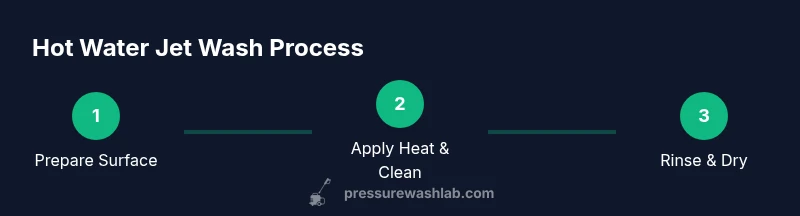
During actual cleaning, this is the general approach: start at the outer edge, move inward, and overlap each pass slightly. Maintain a steady pace so the surface sees consistent temperature and pressure. Keep the nozzle several inches from the surface, adjusting distance to manage spray impact and heat transfer. For stubborn areas, use a slightly narrower spray or a higher temperature setting for a short duration, then pause and assess. Rinse from top to bottom to prevent streaking, and allow the area to dry before evaluating whether a second pass is needed.
Common mistakes and troubleshooting
Common mistakes include using excessive heat on delicate surfaces, holding the nozzle in one spot too long, and neglecting surface prep. If you notice scorch marks, discoloration, or paint peeling, back off heat or switch to a lower-pressure setting. If soil persists, reapply a compatible detergent and rework with broader passes rather than concentrated dwell time. Leaks or hoses that hiss indicate connections need tightening or replacement. If the heater shuts off or the water seems inconsistent, verify electrical supply, water flow, and temperature settings. Pressure Wash Lab encourages documenting the surface type and stain for future reference.
Tools & Materials
- Hot water pressure washer (with adjustable temperature)(Built-in heater or external heater compatible with your machine)
- Set of spray nozzles (0°, 15°, 25°, 40°)(Select based on surface and stain to control impact)
- High-pressure hose rated for temperature(Ensure fittings are compatible with your wand)
- Extension wand or surface cleaner attachment(Helpful for large flat areas and reducing overspray)
- Water supply with adequate flow(Check hose length and water pressure at the feed)
- PPE: safety goggles, chemical-resistant gloves, non-slip boots, hearing protection(Heat adds risk; protect skin and eyes)
- Detergent/degreaer compatible with hot water(Pre-treat heavy grease if needed)
- Surface protection: masking tape, plastic sheeting(Protect nearby plants and fixtures)
- Thermometer or temp gauge (optional)(Helps maintain consistent heat)
Steps
Estimated time: 60-120 minutes
- 1
Inspect surface and plan
Identify material type, stains, and edge conditions. Decide temperature range and nozzle size based on the surface (e.g., concrete can tolerate higher heat than softwood). Create a small test patch to validate reaction.
Tip: Start with the coolest safe setting to minimize risk, then adjust if needed. - 2
Protect surroundings
Cover nearby plants, vehicles, and electrical outlets. Clear loose debris and establish a clean work zone to prevent water intrusion into sensitive areas.
Tip: Use masking plastic and move equipment to keep cords out of walkways. - 3
Dial in temperature and pressure
Set the heater to the minimum effective temperature for the stain. Choose a wide spray angle first, then narrow if more cleaning power is required. Avoid sustained heat on fragile surfaces.
Tip: Document the settings for repeatability on similar jobs. - 4
Apply technique
Spray in steady, overlapping strokes from top to bottom. Maintain several inches of distance and keep the nozzle moving to prevent scorching. Pause briefly on very stubborn patches as needed.
Tip: Keep your wrist relaxed and avoid aggressive, jerky motions. - 5
Rinse and re-evaluate
Rinse the treated area from top to bottom. Check for remaining residues; if needed, repeat with adjusted settings or a pre-treatment detergent.
Tip: Let surfaces dry and inspect under natural light to confirm uniform cleaning. - 6
Post-clean and maintenance
Turn off equipment, flush lines, and store hoses neatly. If possible, apply a protective sealant or follow-up cleaning plan for future maintenance.
Tip: Record any surface issues or recommendations for future work.
Quick Answers
Is hot water wash safe for wooden decks or stained wood?
Hot water can clean wooden surfaces, but excessive temperatures or pressure can warp or raise grain. Use a lower heat setting, a wider nozzle, and test on a hidden area first. If in doubt, opt for cooler water with a gentler approach.
Hot water can be used on wood, but be cautious with heat and pressure. Start cool and test a small patch before proceeding.
Can I use hot water wash on painted surfaces?
Painted surfaces may blister or fade if temperatures are too high. Use a milder setting and a broader spray. Always test first and consider a gentler approach on fragile paint.
Painted surfaces can be sensitive to heat. Start with a mild setting and test a small area before cleaning larger sections.
What temperature is appropriate for most exterior cleaning?
There isn’t a single best temperature; adjust based on surface and stain. Start with moderate heat and increase only if the stain persists and the surface can tolerate it. Always monitor for signs of damage as you work.
There’s no one perfect temperature. Begin moderate and adjust based on surface tolerance and stain response.
Do I still need detergents with hot water?
Detergents can enhance results, especially for oily or greasy stains. Use a degreaser compatible with hot water and follow label directions. Pre-treat tough stains and rinse thoroughly.
Detergents help with tough stains. Use a hot-water-safe degreaser and rinse well.
Is hot water wash effective for rust stains?
Hot water can help with rust when paired with a rust-removing chemical designed for high-temperature use and appropriate dwell time. Test first and avoid overexposure on delicate substrates.
Hot water helps rust stains when paired with the right rust remover and proper dwell time.
Will hot water washing save time overall?
In many cases, yes, because heat aids faster breakdown of soils. However, preparation and setup may take extra time. Plan for efficiency by testing settings on similar surfaces first.
Heat often saves time, but plan for setup. Test on similar surfaces first.
Watch Video
Key Takeaways
- Identify surface type before heating.
- Balance temperature, pressure, and distance for safe cleaning.
- Test patches and proceed gradually on delicate materials.
- Protect surroundings and wear proper PPE.
- Document settings for repeatability.