Water Jet Cleaning: A Practical How-To Guide
Master water jet cleaning with practical, step by step guidance on safety, nozzle choices, surface prep, and maintenance for driveways, siding, and decks.


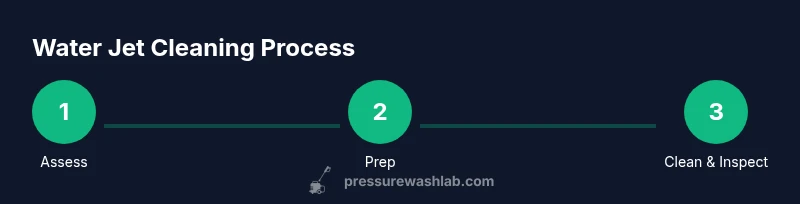
Water jet cleaning uses pressurized water to remove grime, stains, and contaminants from surfaces. This guide covers equipment selection, safety, approach, and maintenance to help you complete a successful project with minimal surface damage. By following these steps, homeowners and DIYers can clean driveways, siding, decks, and more efficiently and safely.
What is Water Jet Cleaning?
According to Pressure Wash Lab, water jet cleaning uses a high pressure stream of water to lift grime, algae, paint and other contaminants from surfaces. It relies on the kinetic energy of the water rather than harsh chemicals to refresh concrete, brick, wood, siding and metal. A well chosen nozzle and steady technique help you achieve even cleaning without damaging the surface. This approach is widely used by homeowners and professionals for driveways, patios, walls and fences. By focusing on surface type and soil level you tailor your plan and avoid overdoing it. The goal is to remove dirt and reveal clean material, not erode the base material.
Why It Pays to Learn This Skill
Learning water jet cleaning pays off in time saved, cleaner expectations, and longer lasting surfaces. For homeowners, a properly executed cleaning can restore curb appeal, prepare a surface for sealant, or remove stubborn stains without resorting to harsh chemicals. Pressure Wash Lab Team emphasizes planning before you spray: identify the surface, choose the appropriate nozzle, and work from top down to avoid streaks. With the right gear and technique, you can tackle driveways, fences, decks, and siding with confidence. This section outlines the benefits and practical considerations to help you decide when to dive in.
Safety First: Gear, Risks, and Best Practices
Water jet cleaning involves high velocity water and elevated pressure that can injure skin or damage delicate components. Always wear protective goggles, gloves, non slip boots, and hearing protection. Keep bystanders away and protect plants, electrical outlets, and decorative features. Start with the widest nozzle on a low setting and test on a hidden patch. Pressure Wash Lab Team recommends turning off power sources nearby and using a dedicated water supply to prevent backflow. By respecting the risks and following a simple PPE checklist, you reduce the chances of accidents and surface damage.
Types of Water Jet Cleaners and Nozzles
There are electric and gas powered machines, each with different maintenance needs and capabilities. Nozzle tips vary from wide 40 degree to narrow 0 degree, and the 25 degree option is a common starting point for many surfaces. A surface cleaner attachment can speed up large flat areas and reduce splash. Turbo nozzles provide extra power but require extra care to avoid gouging joints or soft wood. Always match the nozzle to the task and keep the wand at a safe distance.
Surface-Specific Techniques
Different materials respond differently to water jet cleaning. Concrete and brick tolerate higher pressure and more aggressive patterns when used with appropriate nozzles, while wood and soft siding demand gentler angles and careful distance. For painted surfaces, avoid aggressive scrubbing and opt for wider angle nozzles. For delicate plants or vinyl siding, test on a small area first and maintain a steady pace rather than lingering in one spot. This approach minimizes risk and maximizes results.
Prep Work and Surface Assessment
Begin with a quick assessment of the surface condition and dirt level. Remove loose debris, cover nearby plants and electrical outlets, and clear the area of furniture. Check for loose boards, loose paint, or cracked masonry. If you plan to apply detergent, ensure compatibility with your unit and rinse off completely after washing. Take photos before starting to track progress and ensure you avoid repeating the same spots.
Cleaning Concrete, Brick, Wood, and Siding: Surface Guidelines
Concrete benefits from a wider spray and consistent motion. Brick can be cleaned with care to avoid spalling. Wood decks and fences require very wide angles and shorter spray times to prevent fiber raising. Siding materials vary; vinyl and aluminum tolerate water cleaning better than wood but may still warp if sprayed too close. In all cases, keep the nozzle moving, avoid staying on one area, and rarely use the 0 degree nozzle on fragile materials.
Maintenance and Care for Your Equipment
After cleaning, flush the system with clean water to remove residues, run a slow rinse, and check for leaks. Store your nozzle tips in a labeled holder and purge air from hoses. Regularly inspect the inlet filter and spray wand seals, and replace worn O rings before failures occur. Treat your pump with a maintenance product if recommended by the manufacturer. Proper care extends the life of your pressure washer and improves reliability.
Common Mistakes and How to Avoid Them
A few mistakes commonly derail water jet cleaning projects. Starting with too high pressure on delicate surfaces can cause streaks or gouges. Not testing on an inconspicuous area can hide hidden damage. Rushing through a job reduces cleaning quality and can create run lines. Not protecting surrounding plants or electrical outlets invites damage. The best remedy is to test, start wide, and progress gradually.
Cost, Efficiency, and ROI
Owning a water jet cleaning setup involves initial purchase costs and ongoing maintenance. The real value comes from time saved, improved surface preparation, and the ability to complete larger jobs with consistent results. When comparing models or attachments, consider reliability, serviceability, and water usage efficiency. A thoughtful setup combined with good technique delivers better outcomes while minimizing waste and environmental impact.
60 Minute Starter Plan: Quick Start
If you want a fast, practical start, use this 60 minute plan to clean a small concrete patio or entryway. 1) Gather PPE and attachments. 2) Inspect the area and set up your water supply, then test on a hidden patch. 3) Begin with a broad 40 degree spray from top edge, moving in steady strokes. 4) Switch to a 25 degree nozzle for stubborn spots and rising edges. 5) Rinse off debris and inspect. 6) Dry the surface and store equipment. This plan keeps the workflow simple and repeatable so you can gain confidence quickly.
Tools & Materials
- Pressure washer (gas or electric)(Choose a unit with adjustable PSI and adequate GPM for your surfaces)
- Spray wand with nozzle options(Interchangeable tips for different spray patterns)
- Nozzle tips (0°, 15°, 25°, 40°)(Start with wider angles; avoid 0° on delicate surfaces)
- Surface cleaner attachment(Speeds up cleaning of large flat areas)
- Turbo nozzle (optional)(Provides extra power; use with caution on soft materials)
- Detergent compatible soap(Only if your machine supports detergents; ensure compatibility with surfaces)
- Goggles or face shield(Impact rated; protects eyes from debris)
- Gloves(Chemical resistant if using detergents)
- Non-slip boots(Prevents slips on wet surfaces)
- Hearing protection(Use for extended use)
- Extension wand(For hard to reach areas)
- Tarp or ground protection(Protect plants and landscaping)
- Reliable water source hose(Ensure water supply is clean and uninterrupted)
- Maintenance kit (O-rings, pump saver)(Keeps pump in good condition)
- Labelled nozzle holders(Organizes tips and prevents loss)
Steps
Estimated time: 2-3 hours
- 1
Assess surface and plan
Identify material type and stain level. Decide on nozzle, distance, and movement pattern before starting. This planning minimizes damage and speeds up the job.
Tip: Start with a surface test on a discreet patch to confirm compatibility. - 2
Set up safety gear and area
Put on goggles, gloves, hearing protection, and non slip boots. Clear the area of people and pets and protect nearby plants and outlets.
Tip: Have a helper hold distractions away and a plan to stop if you notice spatter. - 3
Attach correct nozzle and connect water
Attach the 25° nozzle for general cleaning and ensure the wand is secure. Verify water supply and drainage are clear before starting.
Tip: Avoid cross threading; a loose connection can cause leakage and erratic spray. - 4
Begin with broad spray and top-down motion
Hold the wand 8–12 inches from the surface and sweep in even passes from top to bottom. Use a broad angle to prevent streaks.
Tip: Move at a steady pace; pausing too long can gouge softer materials. - 5
Increase intensity for stubborn stains
If stains persist, switch to a narrower angle and apply shorter bursts. Work small sections to avoid overdoing any spot.
Tip: Never linger on one area with the narrow nozzle. - 6
Rinse, inspect, and adjust
Rinse the area to remove residue, then inspect for missed spots or damage. Re-treat as needed with lighter pressure.
Tip: Keep a checklist to ensure consistent results across the surface. - 7
Cleanup and storage
Flush the system with clean water, purge air, and drain hoses. Store tips sorted and away from heat sources.
Tip: Document any issues to address before next use.
Quick Answers
Is water jet cleaning safe for wooden decks and painted surfaces?
It can be safe when you use a wide angle nozzle and low pressure on wood or painted surfaces. Always perform a patch test first and keep the spray moving to prevent damage.
Yes, with the right nozzle and distance. Do a patch test before cleaning large areas.
What is the recommended starting nozzle angle for most exterior surfaces?
Begin with a wider angle such as 25° or 40°, depending on surface. Avoid 0° on soft or fragile materials and adjust after a test patch.
Start wide, test, then adjust as needed for the surface.
Can I use detergents or cleaners with a pressure washer?
Yes if your machine supports detergents and the product is compatible with the surface. Rinse thoroughly after use and avoid mixing cleaners that could cause damage.
Yes, but follow the machine and product guidelines and rinse completely.
What maintenance should I perform after water jet cleaning?
Flush with clean water, inspect hoses and seals, drain water, and store attachments properly. Replace worn parts as needed to extend the unit life.
Flush the system, inspect components, and store safely.
Is water jet cleaning safe around electricity or windows?
Keep spray away from electrical outlets and windows. If in doubt, cover or remove electrical items and avoid spraying directly at glass until tested.
Protect electricals and glass; proceed with caution.
Watch Video
Key Takeaways
- Wear proper PPE before starting.
- Match nozzle to surface for safe cleaning.
- Keep the wand moving; avoid lingering on one spot.
- Test and inspect after cleaning; rinse thoroughly.