How to Install Pressure Washer Hose on Reel
Learn to install a pressure washer hose on a reel safely and efficiently with our step-by-step guide, covering tools, setup tips, and maintenance notes for a durable, kink-free reel.


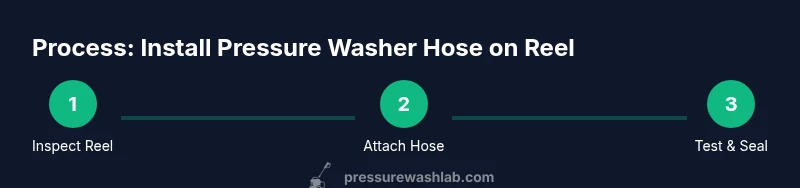
You will learn how to install a pressure washer hose on a reel, secure fittings, thread correctly, and test for leaks. This guide covers prep, compatible hose length, reel mounting considerations, and safety tips. By following these steps, you’ll reduce hose wear, prevent tangles, and ensure smooth retraction.
Why the right hose reel setup matters
A proper hose reel setup is more than a tidy workspace—it directly affects performance, safety, and the longevity of your pressure washing system. When you learn how to install a pressure washer hose on reel correctly, you minimize kinks, reduce wear on couplings, and prevent sudden hose whipping under pressure. According to Pressure Wash Lab, a well-chosen reel that matches your hose diameter and length simplifies maintenance and improves retract efficiency. In practice, a clean, organized reel reduces downtime and makes it easier to swap hoses for different jobs without risking damage to connectors or triggers. This section will lay the foundation: choose a reel rated for your hose size, plan routing that avoids sharp bends, and maintain a clear work area to ensure a safe, repeatable process every time you wind or unwind the hose.
Throughout this guide, you’ll see the exact keyword how to install pressure washer hose on reel used in context to reinforce best practices and help you find this content in search results. The goal is to make your setup robust enough for home use or small business workloads, without resorting to improvisation that could cause leaks or bursts under peak pressure.
Matching hose length and reel capacity
Choosing the right hose length for your reel is crucial. A hose that is too long can sag, kink, or rub against sharp edges, while a hose that’s too short may not reach distant surfaces or may create awkward setups. The best practice is to measure your typical working radius and then select a reel and hose combination that leaves a little slack for maneuvering. Pressure Wash Lab’s practical guidance emphasizes avoiding excess hose length on the spool, which reduces spool drag and improves retraction speed. When you know how to install pressure washer hose on reel, you’ll aim for a length that allows full extension without binding, and a snug wind when retracted. Remember to account for connectors and quick-couplers, which may add a few inches to the overall length. A properly sized hose reduces fatigue on the user and extends hose life by limiting heat buildup at the reel.
Safety and workspace prep before you begin
Safety is non-negotiable when working with high-pressure water systems. Before you start, clear the area of trip hazards, wear eye protection, and ensure the power and water supplies are shut off while you configure the reel. Inspect the reel for any cracks, corrosion, or loose mounting hardware. Check that the hose ends and fittings are clean and free of debris that could cause leaks or poor seals. The aim is to minimize unexpected spray, which can injure hands or eyes and damage surfaces. In this section, you’ll lay out a safe workflow and establish the sequence you’ll follow to install the hose without creating hazards or unnecessary strain on components.
Pressure Wash Lab emphasizes planning for safety as a core step in any install project. A calm, methodical approach reduces the risk of cross-threading fittings or tearing the hose jacket during winding. Make sure to have a plan for securing the reel after installation to prevent movement while you work.
Tools, materials, and workspace layout
Before you start the install, assemble the tools and materials you’ll need. Common essentials include a wrench or pliers, a screwdriver set, thread sealant or PTFE tape, hose clamps, silicone lubricant, and a clean rag. For the hose and fittings, verify compatibility with your reel’s inlet and outlet ports, and choose the correct connector type (NPT or quick-connect, as applicable). Layout your workspace so you can access both the reel and the pressure washer easily, with enough room to maneuver hoses without creating a tangle. Clear labeling for the hose segments helps during testing and future maintenance. This section sets the stage for a smooth, repeatable process that minimizes chaos and maximizes reliability.
Inspecting the reel inlet/outlet and preparing the spool
Carefully inspect the reel’s inlet and outlet ports for damage, corrosion, or burrs. Clean the ports with a dry cloth and apply a light lubricant to O-rings if recommended by the manufacturer. If the reel has removable end caps, check them for secure fit and replace any worn parts. Prepare the hose by checking the end connectors for sharp edges and ensuring they’re clean and undamaged. After confirming compatibility, you’ll be ready to begin threading the hose onto the reel spool and securing it with clamps or end fittings. The goal is a clean, square fit that won’t bind during wind-on or wind-off cycles.
Attaching the hose to the reel outlet: fittings and connectors
Attach the hose to the reel outlet using the proper fittings. Use thread sealant or PTFE tape on threaded connections to prevent leaks, and tighten fittings to the manufacturer’s recommended torque to avoid thread damage. If your system uses quick-connect fittings, inspect the locking collars and ensure they engage fully. Misaligned fittings can cause leaks, poor flow, or premature wear. As you work through how to install pressure washer hose on reel, prioritize a secure connection that remains leak-free under load and pressure.
Routing the hose through guides and around the reel
Guides and channels on the reel serve to prevent the hose from crossing itself or catching on sharp edges. Route the hose along the intended path, avoiding tight radii and sharp bends that can kink or crack the hose over time. If your reel includes detachable guides, install them before winding the hose. Use tie wraps or cable ties to secure excess length in loose coils, ensuring they won’t interfere with reel rotation. Proper routing reduces wear and makes retraction smoother for years of service. This practical step helps ensure the hose remains nicely laid out rather than overlapping itself during operation.
Winding the hose onto the reel: tension and alignment
With the hose threaded and routed, begin winding onto the reel slowly, keeping even tension on both sides to avoid a warped coil. Align the hose so that it sits flat on the spool and does not ride above the edge of the drum. If the reel includes a tension adjustment, set it to a level that allows smooth unwinding while preventing uncoiling under load. Check that the hose jacket remains intact with no visible signs of abrasion. The objective is a balanced, even coil that feeds smoothly when you pull and retract the hose.
Making the final connections and test setup
Reconnect to the pressure washer using appropriate fittings and verify everything is secure. Open the water supply and gradually introduce pressure, watching for leaks at all connection points. If leaks occur, power down safely and re-tighten or reseal fittings. For a live test, start with a low pressure setting and inspect the hose, connectors, and reel for any signs of movement or loosening. This final step confirms that your how to install pressure washer hose on reel process is complete and ready for real-world use. Monitoring the initial run helps identify issues before they become bigger problems.
Maintenance mindset: longevity and reliability
After installation, establish a maintenance routine that includes periodic inspection of fittings, hoses, and the reel’s mounting. Clean connectors and ports to prevent debris buildup, replace worn clamps, and lubricate where recommended by the manufacturer. Keep spare end fittings and clamps on hand to simplify future hose changes. A well-maintained reel reduces downtime and extends service life, making your investment more cost-effective in daily work.
Quick-start checklist for consistent results
- Confirm reel compatibility with your hose size and length.
- Inspect all connectors, O-rings, and seals for wear.
- Route hose through guides to prevent kinks.
- Use PTFE tape on threaded connections and tighten securely.
- Test with low pressure before full use to catch leaks early.
- Maintain the reel regularly to extend life and performance.
Final thoughts: practical tips you can trust
Learning how to install pressure washer hose on reel is a hands-on skill that pays off with safer operation and longer hose life. The Pressure Wash Lab team recommends documenting your setup so you can replicate it for different jobs or share tips with others. With careful planning, correct fittings, and disciplined maintenance, your hose reel will serve you reliably for years of cleaning projects.
Tools & Materials
- Pressure washer hose reel (rated for your hose diameter)(Ensure compatibility with your pressure washer hose length and mounting method)
- Pressure washer hose (1/4-inch or 5/16-inch ID typical)(Check the hose for wear and compatibility with your pump pressure)
- Fittings (appropriate NPT or quick-connect adapters)(Match the reel outlet to hose end connectors)
- PTFE thread sealant tape or pipe thread tape(Used on male threaded connections to prevent leaks)
- Hose clamps or retention clips(Secure the hose to the reel to prevent slippage)
- Lubricant for O-rings (silicone-based)(Keep O-rings pliable; use sparingly)
- Adjustable wrench and/or pliers(Tighten fittings without rounding threads)
- Screwdrivers (flathead and Phillips)(For end caps or guide hardware)
- Safety glasses or goggles(Protection during leak testing)
- Rags and container for catching drips(Keep workspace clean during test)
- Cable ties or zip ties(Manage excess hose length behind guides)
Steps
Estimated time: 60-90 minutes
- 1
Verify reel compatibility and read guidelines
Confirm the reel is designed for your hose diameter and length. Read the manufacturer instructions to understand torque specs and recommended sealing methods. This reduces misfit and leaks later on.
Tip: If in doubt, contact the reel manufacturer or check the manual before proceeding. - 2
Remove old hose and clear the workspace
If a hose is already mounted, remove it carefully, avoiding damage to the spool or ports. Wipe the spool surface clean to ensure a smooth wind during reinstallation.
Tip: Keep discarded hose ends organized to prevent tripping hazards. - 3
Inspect and clean fittings
Check inlet/outlet ports for burrs, corrosion, or debris. Clean with a dry cloth and apply light lubricant to O-rings if recommended. Damaged fittings should be replaced before continuing.
Tip: Damaged threads lead to leaks; replace rather than repair in the field. - 4
Apply tape and assemble fittings
Wrap PTFE tape on male threads in the direction of tightening. Install fittings securely, using the proper torque as specified by the manufacturer. Ensure a clean, square fit to avoid cross-threading.
Tip: Avoid over-taping; excessive material can impede connection. - 5
Attach hose to reel outlet and begin winding
Connect the hose to the reel outlet using the chosen connector type. Start winding slowly, keeping tension even to prevent coil bite or tangling.
Tip: If the hose resists winding, recheck connectors for burrs or misalignment. - 6
Route hose through guides and clips
Guide the hose along the intended path and secure with guides or clips to minimize friction and kinks. Ensure the path avoids sharp edges or hot surfaces.
Tip: Test the path by gently pulling the hose to feel for snags. - 7
Secure hose with clamps and tighten
Install hose clamps at designated points to prevent slippage during operation. Tighten to the manufacturer’s spec, avoiding over-tightening that could crush the hose jacket.
Tip: Use backup clips if your reel design includes them. - 8
Reconnect to pressure washer and test at low pressure
Reconnect the hose to the pump and turn on water supply. Test at a low PSI to check for leaks, then gradually increase to operating level.
Tip: Listen for hiss or look for damp spots—these indicate leaks you must fix. - 9
Document and perform final checks
Note any adjustments and confirm the reel retracts smoothly without snagging. Perform a second leak check after a few cycles to ensure stability.
Tip: Record your setup details for future maintenance or hose changes.
Quick Answers
Is it safe to install a hose reel indoors or in a garage?
Yes, provided the area has adequate drainage, ventilation, and no exposed electrical components. Keep the hose and reel away from heat sources and avoid clutter that could cause trips during operation.
Yes, as long as you have good ventilation, drainage, and a clear workspace.
What length hose should I choose for my reel?
Choose a length that reaches typical work areas without excess slack on the reel. Too much hose on the spool increases drag and can cause tangles during retracts.
Pick a length that covers your usual area with minimal slack on the reel.
How do I know if fittings are compatible?
Check the reel outlet size and hose connector type (NPT vs quick-connect). Use manufacturer-approved adapters and sealant to prevent leaks. If unsure, consult the reel’s manual or manufacturer.
Match the outlet to the hose connector and seal properly.
Can I retrofit any hose to any reel?
Retrofits depend on both the reel’s ports and the hose connectors. Always verify compatibility with the manufacturer’s guidelines to avoid leaks or damage.
Check the ports and connectors first; compatibility is not universal.
What maintenance is required after installation?
Inspect fittings and hoses monthly, clean ports, and replace worn clamps or O-rings. Keep the reel free of debris and test the system periodically.
Do routine checks and replace worn parts as needed.
Should I use thread sealant on all connections?
Only apply thread sealant on threaded connections where leaks are likely; not all fittings require sealant. Follow the manufacturer’s guidance for best results.
Only use sealant where recommended.
What if I notice a leak after testing?
Shut down the system, re-tighten fittings, and re-seal if necessary. If leaks persist, replace the affected component rather than continuing operation.
Turn off, re-tighten, and replace faulty parts if needed.
Watch Video
Key Takeaways
- Choose a compatible reel and hose length to minimize wear.
- Route through guides to prevent kinks and abrasion.
- Test at low pressure before full operation.
- Maintain fittings and clamps to extend life.
- Document setup for quick future repeats.