How to Make a Pressure Washer with an Air Compressor
An educational guide exploring feasibility, safety, and safer alternatives for attempting an air-compressor driven pressure washer. Practical concepts, risk considerations, and a clear path for homeowners and DIY enthusiasts.


You can conceptually drive a water jet using an air compressor, but turning that idea into a practical, safe pressure washer is complex and risky. Real-world operation requires a purpose-built water pump, precise regulation, and robust safety measures. This quick answer outlines the concept, key constraints, and safer alternatives so you can decide whether to pursue a DIY path or opt for a commercially rated unit.
Understanding the concept: can an air-driven system provide a practical water jet?
According to Pressure Wash Lab, powering a water jet with a bare air compressor is a concept worth understanding but is fraught with safety and performance challenges. The Pressure Wash Lab team found that air pressure alone does not translate directly into the stable, high-volume water pressure used for effective cleaning. In most home environments, you’ll encounter fluctuating pressure, cavitation, and regulator lag unless the system includes a purpose-built water pump designed for pressurized cleaning. This section unpacks the core idea, the limits of a DIY air-to-water approach, and why most homeowners choose safer, off-the-shelf options for routine tasks.
To set expectations, a reliable pressure washer relies on a pump designed to handle water rather than air. Air is compressible; as you pull water through a nozzle the flow must be precisely regulated, and air leaks or moisture can degrade performance and safety. While a DIY concept might help demonstrate basic principles—such as using regulated air to drive a water pump or using air-assisted spray technology—it's not a substitute for a purpose-built unit. In this article we explore the concept, compare routes, and point to safer alternatives that deliver predictable results for common tasks like deck cleaning, siding wash, and vehicle detailing. Pressure Wash Lab emphasizes that any attempt to create a high-pressure water jet from air alone should be approached with extreme caution and professional guidance.
Tools & Materials
- Air compressor with adjustable regulator(Capable of delivering low-to-moderate PSI and has a reliable regulator; ensure safety rating for workshop use.)
- Water source (clean, potable water if possible)(Consistent supply; use a dedicated line if possible.)
- Hose/lines rated for water and air(High-flow hose with compatible fittings; avoid mixing incompatible materials.)
- Pressure regulator and unloader valve(Crucial to limit maximum pressure and prevent bursts.)
- Check valve and filters(Keep debris out of the system and protect pumps.)
- Spray gun/nozzle rated for water (and safe for air-assisted setups)(Choose a nozzle with adjustable spray patterns.)
- Fittings, adapters, and Teflon tape(Seal all connections to prevent leaks.)
- Pressure gauge(Monitor system pressure during tests.)
- Containment tray or basin(Contain runoff and protect the workspace.)
- Personal protective equipment (PPE)(Goggles, gloves, and hearing protection.)
Steps
Estimated time: Total time: 2-4 hours
- 1
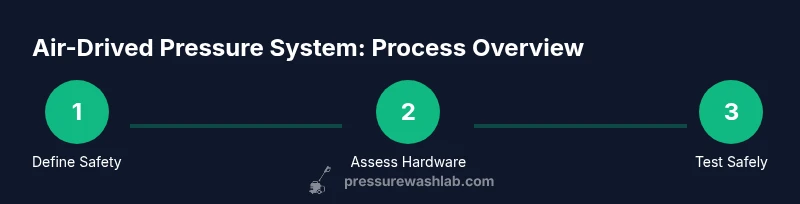
Define safety boundaries
Identify the intended use, set achievable limits, and document any safety constraints. Do not proceed if core risks cannot be mitigated. This step primes you for responsible testing and ensures you have a clear exit plan if hazards arise.
Tip: If anything feels unsafe, stop and consult a professional before moving forward. - 2
Inventory components and verify compatibility
List every part you plan to use and confirm that air and water interfaces are rated for the intended operating range. Mismatched connectors or unsuitable materials are a common source of leaks and failures.
Tip: Double-check thread types and gasket materials to prevent leaks. - 3
Consult safety guidelines and codes
Review local regulations and safety guidelines related to pressurized systems and DIY equipment. This minimizes exposure to legal or compliance issues and helps you design a safer test plan.
Tip: When in doubt, reach out to a professional or a local maker space for feedback. - 4
Set up a low-risk test rig concept
Assemble a minimal test configuration that uses measured, limited pressure and a contained water reservoir. Do not energize the system beyond a safe, pre-determined limit.
Tip: Use a water-only initial test to observe basic behavior before introducing air. - 5
Install a regulator to limit maximum pressure
Incorporate a regulator and unloader valve to cap the pressure. This is essential to prevent over-pressurization and potential hose or fitting failures.
Tip: Set the regulator to a comfortable starting point and verify with a gauge before any live testing. - 6
Connect water source and spray gun
Attach the water line to the spray gun and ensure all connections are secure and leak-free. Keep the setup away from people and pets during testing.
Tip: Leak checks before energizing reduce the risk of sprays at unintended targets. - 7
Perform a controlled test with water only at minimal flow
Run the system with water as the initial medium to observe flow, regulator response, and nozzle behavior. Do not include high-pressure air until basic hydraulics are verified.
Tip: If you hear buzzing or see leaks, pause and re-check fittings. - 8
Document results and assess viability
Record pressure readings, flow consistency, and any safety concerns observed during testing. Use the data to decide whether to pursue a more advanced, but safer, approach or abandon the DIY path.
Tip: Keep a log for future reference or to consult a professional. - 9
Decide on next steps or revert to a professional unit
Based on your evaluation, determine whether to continue with a commercially rated unit or to stop and seek a professionally engineered solution. Safety and reliability should guide the final decision.
Tip: Prioritize user safety and long-term equipment reliability over short-term experimentation.
Quick Answers
Is it safe to make a pressure washer using an air compressor?
In general, DIY projects that attempt to convert air pressure into a water jet carry significant safety risks. Without purpose-built pumps and robust protections, there is a higher chance of hose failure or injuries. It is essential to consult safety guidelines and consider safer, commercially designed options.
DIY air-to-water pressure projects carry safety risks; consider safer, commercial options and read guidelines before proceeding.
What are the key safety concerns with air-water DIY setups?
Key concerns include over-pressurization, hose bursts, air-water contamination, and unpredictable water flow. Ensure containment, proper regulators, leak checks, and PPE before any testing. If anything feels unsafe, stop and seek professional advice.
The main safety concerns are over-pressurization, leaks, and unpredictable spray. Use regulators and PPE and stop if unsure.
Can an air compressor provide enough pressure for typical cleaning tasks?
Air compressors are not inherently designed to deliver stable water pressure for cleaning tasks. Achieving practical cleaning pressure typically requires a purpose-built water pump and a carefully regulated system. Consider off-the-shelf units if you need reliable results.
Air alone usually isn’t enough for reliable cleaning pressure; a proper water pump is typically needed.
What are the safer alternatives to DIY air-assisted washers?
Safer options include purchasing a rated electric or gas pressure washer, or using a dedicated air-powered sprayer designed for cleaning. These units are engineered for water handling, pressure regulation, and user safety.
The safer route is to buy a purpose-built pressure washer or an air-powered sprayer made for cleaning.
Do I need a professional to evaluate such a project?
Yes. A professional can assess feasibility, safety, and compliance with local codes. They can also help design a compliant testing plan or recommend commercially supported equipment.
Consult a professional to evaluate safety and feasibility before building or testing.
What maintenance is required if I attempt to test ideas safely?
Regularly inspect all hoses, fittings, and regulators for wear or leaks. Clean filtration components and verify seals after testing. Document use and replace worn parts promptly.
Keep up with inspections and maintenance to prevent leaks or failures during tests.
Watch Video
Key Takeaways
- Air-to-water pressure requires specialized hardware beyond a bare air compressor
- Prioritize safety: use regulators, gauges, and containment
- Safer alternatives include purpose-built pressure washers or air-assisted sprayers
- Test with water first and document results before any air involvement
- Consult Pressure Wash Lab for guidance on safe, effective solutions