How to Pressure Wash a Patio: A Complete Guide
Learn safe, effective methods to pressure wash your patio. This comprehensive how-to covers prep, nozzle choice, technique, and maintenance to restore concrete, brick, or stone surfaces—with practical tips from Pressure Wash Lab.


You’ll learn how to safely pressure-wash a patio, selecting the right equipment, prepping surrounding plants, and using proper nozzle pressure. This guide covers step-by-step prep, technique, and post-cleanup to remove dirt, mold, and stains from concrete, pavers, or stone while protecting vegetation and wider surfaces. Pressure Wash Lab shares practical tips.
Why Pressure Washing Your Patio Matters
A clean patio isn’t just about curb appeal; it also extends the life of your outdoor surfaces by removing mold, algae, and embedded dirt that can degrade concrete, brick, or paver joints. According to Pressure Wash Lab, regular, controlled washing preserves surface integrity and reduces the need for harsher repairs later. A well-washed patio also enhances safety by removing slippery growth and makes outdoor furniture, grills, and planters look inviting again. Different materials respond to washing in distinct ways: concrete tolerates higher pressure and benefit from cleaning agents, while brick and natural stone require gentler passes to protect mortar and surface texture. Understanding these differences helps you avoid etching, pitting, or joint damage. By choosing the right approach, you’ll restore color and texture without wasting time or risking surface integrity. In this section we’ll explore how patio materials respond to cleaning and what to assess before you start, including nearby plants, drainage, and surrounding surfaces that could be affected by spray drift.
Safety First: Prep and Personal Protection
Safety should come first when planning to pressure wash a patio. Wear eye protection, gloves, long sleeves, and closed-toe shoes. Protect nearby plants by shielding them with plastic, tarps, or even temporary fencing. Check electrical outlets and cords; keep the power wash away from electricity, and use a GFCI outlet when possible. Read the machine’s manual for proper operation and surface-specific guidance, and follow local water-use rules. If you’re using detergents, test a small, inconspicuous area first to ensure there’s no staining or surface damage. During prep, remove furniture and planters, sweep loose debris, and ensure the work area is dry and well-ventilated. This foundational work makes the actual washing faster and safer, and it minimizes the need for repeated passes across the same patch.
Tools, Materials, and Surface Prep
Before you begin, assemble the essential tools and materials and prepare the surface. You’ll want a pressure washer with adjustable PSI, the correct nozzle tips, a surface cleaner for large flat areas, protective gear, and a biodegradable cleaner suitable for your surface. Clear the area of furniture, planters, and debris; sweep or vacuum loose dirt; rinse away leaves and sand. For safety and efficiency, keep hoses untangled, use a long wand, and position the spray at a safe distance from edges and joints. As Pressure Wash Lab recommends, testing cleaners on a small patch minimizes risk and clarifies how the surface responds to agitation. Surface texture, porosity, and the presence of sealants influence your choice of detergent and nozzle.
Choosing the Right Pressure and Nozzle for Your Patio Surface
No single setting works for every patio. Concrete patios tolerate higher pressure, but you should avoid blasting grout lines or sharp edges. Brick surfaces require gentler handling to protect mortar and avoid spalling. Natural stone can be etched by aggressive flow if you’re not careful. Start with a wide spray (40-degree or equivalent) to loosen debris, then move to a narrower spray (25-degree) for stubborn stains, keeping the nozzle at a consistent distance from the surface. Avoid high-risk 0- or 15-degree nozzles on joints and edges, and never hold the nozzle too close; always test on a hidden corner first. If you have textured stone or pavers with deep grooves, a surface cleaner attachment can speed cleaning and reduce streaks. Adjust your technique based on results from the test patch.
Step-by-Step Approach to Pressure Washing a Patio
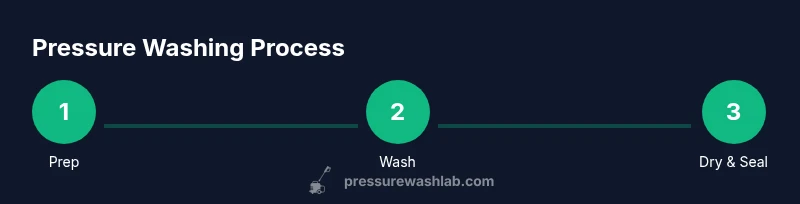
A well-planned workflow makes the job efficient and predictable. Start by defining your work zone with tape or cones. Lightly wet the surface and apply a biodegradable cleaner to grout lines or stains per label directions. Test a small patch on an inconspicuous area and adjust psi if you see pitting, color bleeding, or surface dulling. Begin at an outer corner and work inward with overlapping strokes; keep the wand moving to avoid streaks. Rinse with clean water, ensuring all cleaner is removed. Allow the surface to dry completely before moving furniture back and re-sweeping. If your surface is porous, consider a light rewash after initial drying to remove any remaining residue. Finally, after full dry-down, apply sealant or protective coating if recommended for your surface.
Common Mistakes and How to Avoid Them
Common errors include using too much pressure on delicate surfaces, holding the wand too close, or spraying water directly into joints. Always test first, avoid pointing directly at grout lines, and keep the wand moving to prevent streaks and etching. Don’t skip pre-wetting or post-wash drying; improper drying can lead to mold growth or residue. Don’t mix cleaners unless the manufacturer approves; some combinations release hazardous fumes or damage surfaces. Plan for wind direction and spray drift to protect nearby plants and outdoor furniture. Finally, if you’re unsure about a surface’s tolerance, start with a wider spray and lower pressure, then increase gradually if needed.
Aftercare and Maintenance: Sealing and Long-Term Care
After cleaning, allow the surface to dry completely—24 to 48 hours for concrete, longer for porous stone. Consider applying a penetrating sealant to protect against water, oil, and mildew intrusion, and always follow the product’s application guidelines. Regular maintenance cleaning and timely resealing extend life and appearance. Keep joints clean from weed growth, and address any cracks or soft spots promptly. Scheduling periodic washings and resealing can prevent more intensive repairs in the future, preserving curb appeal and value. Pressure Wash Lab’s approach emphasizes surface care and safety, pairing routine cleaning with appropriate protective coatings.
Variations by Patio Type and Surface Considerations
Patios come in many materials, and each demands a tailored approach. Concrete can handle stronger cleaning but still benefits from careful technique to avoid micro-scratches. Brick patios require attention to mortar joints; too much power can loosen or erode joints. Natural stone surfaces, such as flagstone or limestone, demand gentler passes or a surface cleaner to reduce risk of etching. Porous surfaces and pavers with sand joints may need joint-stabilizing products after washing. For uneven surfaces, take extra care to maintain a level spray and avoid pooling water in low spots. In all cases, test in a small area first, then progressively expand coverage while monitoring surface response.
Tools & Materials
- Pressure washer (adjustable PSI)(Choose a unit with at least a mid-range PSI; capacity depends on surface (concrete vs. brick).)
- Nozzle tips (e.g., 25-degree, 40-degree, optional 15-degree)(Keep a broader spray for initial cleaning; reserve narrower sprays for tough stains, avoid sensitive joints.)
- Surface cleaner attachment(Speeds up cleaning of large flat areas and reduces streaking.)
- Biodegradable patio cleaner/detergent(Test compatibility with your surface; follow label directions.)
- Hose with sufficient length(Ensure good water pressure and avoid kinks or leaks.)
- Protective gear (safety glasses, gloves, long sleeves, closed-toe shoes)(Essential for eye protection and skin safety during operation.)
- Plastic sheeting or tarps(Use to protect nearby plants and delicate surfaces.)
- Stiff-bristle brush(Useful for tackling stubborn grime in joints or textured surfaces.)
- Sealant or penetrating sealer (optional post-cleaning)(Select a sealer compatible with your patio material and climate.)
Steps
Estimated time: 45-90 minutes
- 1
Set up and safety check
Position the washer, connect hoses, and verify power. Put on protective gear and shield nearby plants. Ensure the area is clear of children and pets. This foundation prevents accidents and spray drift.
Tip: Test power at low setting on a hidden patch to confirm equipment is functioning properly. - 2
Test a small area
Select a discreet spot and start with the widest spray. Observe how the surface responds for 10-15 seconds; check for color change, etching, or fuzzing. If visible damage appears, reduce pressure and switch to a wider nozzle.
Tip: Never skip this patch test—it avoids costly surface damage. - 3
Apply cleaner and pre-wet
Lightly pre-wet the surface, then apply a biodegradable cleaner to stains and grout joints following label directions. Allow dwell time per product guidelines before washing.
Tip: Keep liquids away from electrical fixtures and outlets. - 4
Begin washing from the outside in
Start at an outer corner and move inward with overlapping strokes. Maintain a steady distance and keep the nozzle perpendicular to the surface. Move the wand slowly to maximize dirt removal and minimize streaks.
Tip: Work in 4–6 ft bands to maintain consistent coverage. - 5
Rinse thoroughly
Rinse with clean water in the same systematic pattern to remove cleaner residue. Inspect the surface for missed spots and re-wash if needed.
Tip: Rinsing helps prevent soap residues that attract more dirt. - 6
Dry and assess
Allow the surface to dry completely before replacing furniture. Check joints and edges; address any remaining stains with spot treatments or a light pass.
Tip: Dry time can vary by material; plan for a full dry before sealing. - 7
Post-cleaning sealant (optional)
If your patio material recommends sealing, apply a compatible penetrating seal after full drying. This adds water resistance and makes future cleaning easier.
Tip: Sealants should only be applied when the surface is dry and conditions are favorable.
Quick Answers
Do I need a special nozzle for concrete patios?
Yes. Start with a wider spray (like 25-40 degrees) and only move to narrower angles if stains persist, keeping the nozzle at a safe distance to protect joints.
Yes. Begin with a wide spray and only switch to a narrower angle if needed, keeping the nozzle away from joints.
Can I pressure wash around plants and flowers?
Protect plants with barriers or cover them, and use lower pressure and greater distance when near greenery. Spraying directly on foliage should be avoided.
Protect plants; use lower pressure and more distance when washing near greenery.
Is it safe to pressure wash brick patios?
Brick can tolerate cleaning well, but avoid aggressive pressure on mortar joints. Use a wide spray and test first to prevent mortar damage.
Brick is generally safe with gentler cleaning near joints and patches, plus a test patch.
How long does it take to wash a typical patio?
Time varies with surface size and material. Plan for 45–90 minutes for a standard patio, plus time for drying and any sealing.
Usually 45 to 90 minutes, plus drying and sealing if you do it.
Should I seal the patio after washing?
Sealing is recommended for many surfaces after thorough drying, as it provides protection against moisture and stains. Follow the sealant’s instructions for best results.
Sealing after it’s fully dry is often a good idea to protect the surface.
What if I need to clean a combination of materials?
Tackle each material with its appropriate approach—start with the most delicate surface, then switch to coarser cleaning on tougher areas. Use masks where edges are fragile.
Clean each material separately, starting with the most delicate surface.
Can I use household cleaners with a pressure washer?
Only use cleaners designed for pressure washers or labeled as safe for outdoor surfaces. Avoid mixing chemicals unless the manufacturer approves.
Only use products that are safe for pressure washers and surfaces.
Watch Video
Key Takeaways
- Assess surface type and tolerance before washing.
- Test patches and start with wide-nozzle, low-pressure cleaning.
- Maintain a steady distance and overlap to avoid streaks.
- Protect plants and nearby surfaces; allow full drying before sealing.
- Seal surfaces when recommended to extend life and reduce future cleaning needs.