How to Start a Pressure Washer: A Practical Beginner's Guide
Learn how to start a pressure washer safely and effectively. This beginner's guide covers equipment choices, safety gear, setup steps, and tips to avoid common mistakes. Pressure Wash Lab breaks down the process for homeowners and DIY enthusiasts.


To start a pressure washer, first choose electric for light tasks or gas for heavy-duty jobs. Gather safety gear, connect the water source, verify hoses and nozzles, then follow the startup steps and test on a small area. Ensure you follow the machine’s manual and never spray people or pets.
Understanding the Basics of Starting a Pressure Washer
Starting a pressure washer safely begins with understanding the two main power sources (electric vs gas), the typical PSI/GPM ranges, and the right nozzle selections. This foundation helps you pick the right machine and avoid surface damage. According to Pressure Wash Lab, the core choice you make—electric for light-duty tasks like patios or cars, or gas for more demanding jobs like driveways—drives the setup steps and safety considerations you need to follow. In this guide, you’ll learn what to check before the first start, how to select accessories, and a clear startup process you can follow even if you’re new to pressure washing. The goal is simple: clean effectively without causing harm to surfaces, people, or the machine itself.
Key takeaway: know your machine’s power source, consider the surfaces you’ll clean, and plan your workflow before you switch on.
Safety First: Gear and Environment
Safety is non-negotiable when starting a pressure washer. Always wear ANSI-rated safety glasses, sturdy gloves, non-slip shoes, and hearing protection if you’re using a gas-powered unit. Work in a clear, outdoor area with good ventilation and stable footing. Keep bystanders at a safe distance, and never spray toward windows, electrical outlets, or delicate landscaping. Prepare a plan for wind direction and shielding nearby surfaces from overspray. The right safety gear reduces the risk of injury and protects you from high-pressure sprays that can cause cuts or eye injuries. Pressure Wash Lab emphasizes that safety gear is as important as the machine itself, especially for first-time operators.
Choosing the Right Washer and Accessories
Selecting the right pressure washer depends on your typical tasks and how much power you actually need. Electric models are light, quiet, and generally suitable for patios, siding, and vehicles, with price ranges roughly between a few hundred dollars. Gas-powered machines offer higher PSI and flow, better suited for heavy-duty cleaning like large driveways or exterior surfaces but require more maintenance and space. Accessories matter: choose nozzle tips (0°, 15°, 25°, 40°) for different surfaces, a surface cleaner for large flat areas, and a suitable detergent system if you plan to use cleaners. Detergent compatibility, hose length, and a sturdy reel can improve efficiency and reduce fatigue. This decision impacts how you set up and operate your unit day-to-day.
Pre-Start Checklist: Water Source, Detergent, and Connections
Before any start, verify you have a reliable water supply and all connections are tight. Attach a garden hose with a clean water filter if your unit requires it, and ensure the hose is not kinked. If you plan to use detergent, fill the tank or attach the siphon hose according to the manual and verify the chemical’s compatibility with your surface. Inspect the high-pressure hose for any cracks and ensure the wand, trigger gun, and nozzle tips are in good condition. A quick check for air leaks and secure clamps prevents airlocks that stall the pump. Pressure Wash Lab recommends testing the water supply to confirm adequate flow and pressure before powering the unit.
Step-By-Step Startup Overview
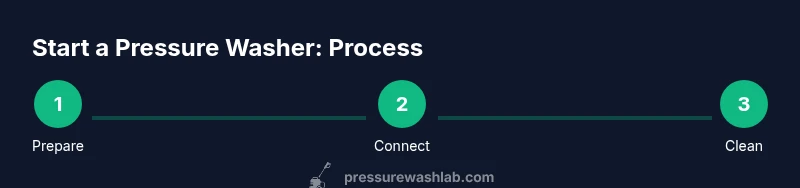
Starting a washer is a sequence of coordinated actions: ensure a safe starting area, connect water, attach the correct nozzle, and power on while monitoring for leaks. This overview covers the essential order: (1) verify safety gear, (2) connect water supply, (3) prime the pump with water, (4) attach a nozzle and any detergent system, (5) power on and test on a non-valuable surface. The goal is to avoid dry running and to confirm the system pressurizes correctly without leaks. A calm, methodical approach minimizes errors and surface damage.
Maintenance, Storage, and Long-Term Care
After cleaning, drain residual water, release pressure, disconnect power, and coil hoses neatly. Store detergents away from heat and out of reach of children and pets. Regularly inspect hoses, fittings, and seals for wear and replace as needed to prevent leaks. Clean the nozzle tips with a soft brush to prevent clogs and ensure a consistent spray pattern. Proper storage extends the life of your washer and reduces the chance of failure during the next project.
Common Mistakes and Quick Fixes
Common mistakes include using the wrong nozzle for a surface, spraying at too close a distance, and failing to secure hoses properly. Quick fixes include switching to a wider-angle nozzle for delicate surfaces, maintaining a steady distance (at least several inches to a few feet depending on surface), and checking for blockages in the nozzle or filter. Always confirm your water supply is steady and free of leaks before operation. Slow, deliberate movements prevent streaks and surface damage.
Costs, Time, and Getting the Right Gear
Entry-level electric washers typically cost less upfront than gas-powered models, and your choice should reflect how often you’ll clean and the scale of projects. Budget for a few essential accessories: a range of nozzle tips, a surface cleaner for large areas, a robust hose reel, and a detergent kit if you’ll tackle grime-heavy jobs. Time-wise, a small cleaning job might take 30-40 minutes, while larger projects can take several hours depending on surface type and dirt level. Plan for storage space and set aside time for maintenance after each major job.
Next Steps: Practice Plans and Safety Routines
Plan a practice session on an inexpensive surface (like a wooden pallet or old deck board) to dial in nozzle choice, distance, and movement. Create a simple safety routine: check gear, inspect hoses, test spray on a hidden area, and only then approach the main project. Build a checklist you can reuse for future cleanings to maintain consistency and safety. With deliberate practice, you’ll improve efficiency and reduce the risk of damage to surfaces.
Tools & Materials
- Pressure washer (electric or gas)(Choose based on intended tasks and portability)
- Garden hose with filter(Ensure unobstructed water flow and no leaks)
- Nozzle tips (0°, 15°, 25°, 40°)(Select based on surface; avoid 0° on soft materials)
- Detergent and chemical kit(Use surface-safe cleaners intended for power washing)
- High-pressure hose(Check for cracks and replace if damaged)
- Trigger gun/wand(Inspect for smooth trigger action)
- Extension cord (heavy-duty, if electric)(Only if your outlet is far from the work area)
- Fuel and oil (for gas units)(Use the manufacturer-recommended oil type)
- Safety gear (gloves, safety glasses, hearing protection)(Eye protection is essential; hearing protection for gas units advised)
- Tarp or ground cover(Contain debris and protect plants or driveways)
- Basic tools for quick fixes(Wrench, screwdriver; for minor adjustments)
Steps
Estimated time: 30-40 minutes
- 1
Unbox and Inspect
Unpack the unit and check for missing parts. Inspect hoses, the wand, and nozzle tips for wear or damage. Ensure the trigger operates smoothly and the handle is secure.
Tip: Visually inspect for cracks; a damaged hose can fail under pressure. - 2
Choose Power Source and Location
Decide between electric or gas power based on your tasks. Place the washer on a dry, stable surface away from bystanders and delicate plants.
Tip: Gas units require clearance for ventilation and fuel safety. - 3
Connect Water Supply
Attach the garden hose to the water inlet and turn on the faucet to ensure a steady flow. If your unit has a filter, verify it’s clean and installed.
Tip: Never operate with a dry pump; water flow is essential for lubrication. - 4
Attach Nozzle and Detergent System
Choose the appropriate nozzle tip for the surface and attach it securely. If using detergent, connect the siphon tube or detergent bottle as directed by the manual.
Tip: Begin with a wider nozzle on delicate surfaces. - 5
Prime Pump and Check for Leaks
Turn on the machine and let it run briefly to remove air from the line. Check all fittings for leaks and tighten as needed.
Tip: If you hear cavitation, shut down and recheck connections before resuming. - 6
Power On and Test on Safe Surface
Power on the unit and test spray on a hidden area to confirm spray pattern and pressure. Adjust distance and angle as needed.
Tip: Keep a firm grip and maintain a consistent stance to control recoil. - 7
Begin Cleaning
Start with broad strokes, keeping the wand moving to avoid streaks. Lift stains gradually rather than forcing high pressure in one spot.
Tip: Work from the bottom up for gravity-assisted dirt removal. - 8
Shutdown and Drain
Turn off, relieve pressure, disconnect power, and drain the system. Store hoses neatly and clean nozzle tips for next use.
Tip: Never store with residual pressure; it can damage components.
Quick Answers
What is the safest way to start a pressure washer for the first time?
Begin by ensuring a steady water supply, checking oil and fuel (for gas units), and inspecting hoses. Connect power or fuel, then follow the starter steps on a small area. Always wear safety gear and test on a hidden spot before full use.
Ensure water supply and inspect equipment, then follow starter steps on a small area and wear protective gear.
Do I need any special safety gear?
Yes. Wear safety glasses, gloves, non-slip footwear, and hearing protection for gas units. Keep bystanders away and avoid spray near eyes, skin, or plants that could be damaged by pressure.
Protect your eyes and hands, wear hearing protection if you have a gas unit, and keep others at a distance.
Can I use hot water in a pressure washer?
Only if your machine is specifically designed for hot water. Most residential units use cold water only. Refilling with hot water can damage seals and reduce performance if not rated for it.
Only if your unit is rated for hot water; otherwise stick to cold water.
What is the difference between PSI and GPM?
PSI measures peak pressure; GPM measures flow. Higher PSI increases cleaning power, while higher GPM delivers more water volume to flush dirt. Use both appropriately for efficient cleaning without surface damage.
PSI is pressure, GPM is flow. Both matter for effective cleaning.
How long does it take to learn to operate a pressure washer?
Most beginners become comfortable after a handful of practice sessions, typically a few hours of hands-on use with guidance. Start on simple surfaces and gradually tackle tougher jobs.
A few practice sessions usually suffice to gain confidence.
Where can I buy a pressure washer?
You can purchase from local hardware stores, home improvement retailers, or reputable online retailers. Compare models based on power, weight, and available accessories.
Check local hardware stores or trusted online shops and compare models.
Watch Video
Key Takeaways
- Choose electric vs gas based on duty and noise.
- Wear safety gear and follow safe startup steps.
- Test a small area before wider cleaning.
- Keep water flow steady and use correct nozzle.