How to Use a Ryobi Pressure Washer: Step-by-Step Guide
Learn to safely operate a Ryobi pressure washer with this comprehensive guide from Pressure Wash Lab. From setup, nozzle selection, and cleaning techniques to detergents and maintenance, it delivers practical steps for homeowners and DIY enthusiasts.


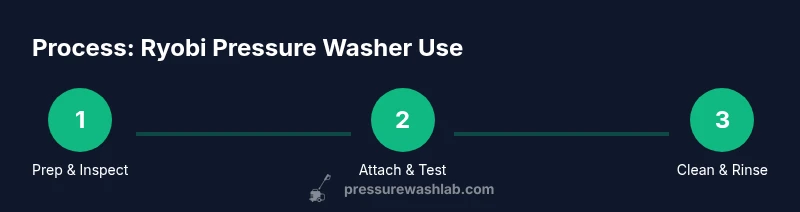
This quick guide shows how to use ryobi pressure washer safely and effectively, from setup to maintenance. You’ll learn nozzle selection, pressure settings, surface prep, and startup/shutdown steps, plus safety gear. Gather PPE, the right nozzle tips, a garden hose adapter if needed, and compatible detergents before you begin. This frames the basics for homeowners, DIYers, and small businesses.
What you’ll learn about using a Ryobi pressure washer
If you’re asking how to use ryobi pressure washer, you’re ready to tackle outdoor cleaning with a tool that can make quick work of dirt, mold, and grime. The Ryobi line covers electric units designed for home use, with common controls that emphasize safety, simplicity, and efficiency. According to Pressure Wash Lab, success starts with selecting the correct nozzle and understanding the surface you’re cleaning. This helps prevent etching on wood, striping on vinyl, or water intrusion on electrical components. In this guide you’ll see how to match surface, distance, and pressure to get the job done without damage. You’ll also gain practical advice on detergents, rinsing, and long-term care that increases reliability and lifespan. The goal is to empower homeowners and DIY enthusiasts with clear, actionable steps you can follow today.
In this first section we discuss the core idea behind safe operation and the type of results you can expect from a Ryobi pressure washer. You’ll learn to read the label, pick the right nozzle for each job, and prepare the area so debris won’t become a hazard or a mob of spray that damages nearby plants. The guidance here is intentionally surface-focused, so you’ll know when to switch from concrete to siding, or when to pause and dry the surface before continuing. The approach is practical and hands-on, designed for real-world tasks from deck refreshes to driveway cleanup.
Tools & Materials
- Ryobi pressure washer (electric model)(Ensure it is rated for outdoor use and has a GFCI-protected outlet.)
- High-pressure hose and spray wand(Check for leaks and secure couplings before operation.)
- Nozzle tips (0°, 15°, 25°, 40°)(Keep a selection handy to adjust pressure by surface.)
- Garden hose with adapter(Use a hose with proper threads and connectors for a secure fit.)
- Detergent compatible with pressure washers(Only use detergents designed for pressure washers; never use household cleaner.)
- Protective PPE (safety goggles, gloves, closed-toe shoes)(Spray can travel unpredictably; PPE prevents injuries.)
- Extension cord (outdoor-rated) or GFCI outlet(Keep cords off wet areas; ensure outlet is weather-protected.)
- Surface cleaner attachment (optional)(Useful for large flat areas like driveways and patios.)
Steps
Estimated time: 25-40 minutes
- 1
Inspect and assemble
Check all components for damage and ensure the spray wand, nozzle tips, and hose connections are secure. Attach the nozzle tip that matches your planned surface, then connect the wand to the spray gun. This initial check reduces the risk of leaks or sudden pressure release during operation.
Tip: Take a quick visual and tug test on hoses to verify a snug fit before powering on. - 2
Connect to the water supply
Attach the garden hose to a steady water source and connect it to the pressure washer’s water inlet. Turn on the water supply and run a small amount of water through the system to prime the pump. This helps prevent air gaps that can damage the pump when you start cleaning.
Tip: Keep the pressure washer off while connecting water to avoid water hammer. - 3
Attach the wand and nozzle
Select the correct nozzle for your surface (e.g., 25° for siding, 40° for delicate areas) and securely attach it to the wand. Make sure the nozzle is clean and free of debris. A properly chosen nozzle ensures you apply the right amount of pressure without harming the surface.
Tip: Do not swap nozzles under pressure; turn off the unit and release the trigger before changing tips. - 4
Prime the system and test
Turn on the unit and pull the trigger at the nozzle to purge air and check for leaks. Start with a low-pressure setting and test on a small, inconspicuous patch of the surface to observe how it reacts. This step reduces the risk of over-spray or damage.
Tip: Keep the wand at a slight angle and maintain a consistent distance from the surface during testing. - 5
Begin cleaning with proper technique
Move the wand in long, overlapping passes, keeping a steady distance from the surface. Start at the top of a surface and work downward to prevent dirty water from running onto areas you just cleaned. Use smooth, sweeping motions instead of erratic bursts.
Tip: Avoid holding the wand too close; 6–12 inches is a safe starting range for most exterior surfaces. - 6
Use detergent carefully if needed
If using detergent, apply it from bottom to top and allow it to dwell briefly before rinsing with direct spray. Rinse after the dwell time to avoid residue. Detergents can improve cleaning of oil stains and tough grime but must be compatible with your unit.
Tip: Always follow the detergent bottle’s dilution guidelines and rinse off thoroughly. - 7
Rinse and inspect
Switch to a neutral or wide-angle nozzle and thoroughly rinse all surfaces. Inspect for remaining dirt or stains and repeat as necessary with lighter pressure near the end of the surface. Rinsing helps avoid streaks and ensures the surface finishes dry evenly.
Tip: Rinse from top to bottom to avoid dirty water running over cleaned areas. - 8
Shutdown, cleanup, and storage
Turn off the unit, release any built-up pressure by pulling the trigger, and disconnect from the water source. Drain and coil hoses properly, wipe down the wand, and store the unit in a dry place. Periodically inspect hoses for wear and replace as needed.
Tip: Dry and store with the wand off to avoid kinks and ensure longevity. - 9
Safety wrap-up and routine checks
Perform a quick safety check after use: inspect for leaks, ensure electrical cords are stored away from water, and keep children and pets away during operation. Establish a routine maintenance plan, including periodic pump lubrication and nozzle cleaning.
Tip: Create a simple checklist to ensure nothing is missed between cleaning sessions.
Quick Answers
Can I use any detergent with a Ryobi pressure washer?
Only detergents formulated for pressure washers should be used. Regular household cleaners can create residues or damage seals. Always read the detergent label for compatibility with your unit and surfaces.
Only detergents made for pressure washers should be used; check the label and avoid household cleaners that can leave residue or damage seals.
What surfaces can I safely clean with a Ryobi pressure washer?
Most exterior surfaces like concrete, brick, vinyl siding, wood decks, and metal surfaces can be cleaned with the appropriate nozzle and distance. Delicate surfaces require gentler settings and careful technique to avoid etching or gouging.
Most exterior surfaces are safe with the right nozzle and distance, but always test on a small area first and avoid fragile finishes.
Do I need to prime the pump before use?
Yes. Connect to a steady water source, run water through the system to purge air, and then start with a low pressure. Priming helps prevent cavitation that can damage the pump.
Yes, prime by running water through the system to purge air before starting.
Is it safe to wash cars or delicate surfaces with a Ryobi?
Washing cars with caution is possible if you use a low-pressure setting and a suitable nozzle, but avoid direct, close-range spraying on painted surfaces to prevent finish damage. For vehicles, consider a foam cannon or a dedicated car wash tool if available.
You can wash cars with care, using low pressure and the right nozzle to protect the finish.
How should I store the unit after use?
Drain water from the hose and pump, coil hoses neatly, and store the unit in a dry place away from freezing temperatures. Periodically inspect seals and hoses for wear and replace as needed.
Drain and coil hoses, store in a dry place, and check seals and hoses regularly.
Watch Video
Key Takeaways
- Choose the right nozzle for each surface
- Prioritize safety gear and electrical safety
- Test on inconspicuous areas first
- Use detergents only when appropriate and per label
- Maintain and store the unit properly to extend life