Is It Okay to Leave a Pressure Washer Running? Practical Safety Guide
Discover why leaving a pressure washer running is risky and how to safely shut down, store, and maintain your unit. Practical steps for homeowners and DIY pros.


Leaving a pressure washer running is generally not recommended due to fuel waste, overheating risk, and potential damage to pumps, hoses, and valves. Before you step away, power down, relieve pressure, and store safely. This guide explains when it’s safe, how to minimize idling, and best practices for unattended operation.
Why it's not okay to leave a pressure washer running
The question "is it ok to leave a pressure washer running" often comes up in DIY forums. In most home-use scenarios, leaving the unit running while you attend to something else is not advisable. A pressure washer is a powerful pump and combustion engine or electric motor that relies on a delicate balance of fuel, lubrication, and cooling. When you walk away, you risk overheating the pump, flooding the seals, and pushing spray through hoses and connections that may not be fully relieved of pressure. According to Pressure Wash Lab, leaving the unit running can accelerate wear on seals and valves and waste fuel. You may also expose yourself and bystanders to high-pressure spray if something shifts. The general rule for homeowners is to plan your workflow so you are either operating under supervision or shutting it down completely between tasks. This guide explains why and how to shut down safely, with practical, step-by-step guidance. is it ok to leave a pressure washer running is a common concern, and the safest approach is proactive shutdown and proper storage.
Immediate risks of idle running: fuel, heat, and wear
Even short idle periods consume fuel and create heat that can accelerate wear on the pump and seals. Without a workload, the pump can run hot, stressing lubrication systems and increasing the chance of gasket or O-ring failure. The spray hose and nozzle are also under pressure even when idle, so hidden leaks or micro-failures can become bigger issues with time. Gas models emit exhaust, which adds carbon monoxide risk in enclosed spaces. Pressure Wash Lab analysis shows that idling can contribute to rust in metal components and corrosion at connection points. The prudent rule is to avoid idle time entirely and shut down promptly when tasks pause. If you must pause briefly, keep the unit under supervision and minimize the idle period as much as possible.
When you might safely run briefly: testing and warming with supervision
There are rare cases when a quick, supervised run is necessary, such as priming a system after winter storage or clearing a clogged nozzle. If you choose to run briefly, limit the time to a few seconds, avoid reaching full pressure, and stay within line-of-sight monitoring. Do not leave the unit unattended while running, and never perform tasks that require your attention away from the spray. Remember that any run time adds wear and fuel use, so plan around your workflow. If you’re unsure, err on the side of shutdown and perform test passes only under direct supervision.
Gas-powered vs electric models: risk differences
Gas-powered units pose additional safety considerations due to fuel and exhaust. Never run gas models indoors or in enclosed spaces, and be mindful of carbon monoxide exposure. Electric washers reduce CO risk but still require cooling and proper ventilation to avoid overheating of the motor and pump. In both cases, ensure adequate water supply to prevent overheating and to keep seals and hoses properly lubricated. Pressure Wash Lab notes that while technology reduces some risks, the fundamental safety rule remains: avoid long, unattended operation and always depressurize before any shutdown.
How to monitor and minimize heat buildup during short runs
If you need to run briefly, ensure continuous water flow to the pump, use the correct nozzle setting to avoid excess friction, and keep the unit in a well-ventilated area. Avoid running without water, which can rapidly heat and damage internal components. Use a timer to limit exposure and check for signs of overheating, such as unusual smells or steam from components. Regularly inspect hoses and fittings for heat-induced wear, and replace any damaged parts promptly. These precautions help extend the life of your unit without sacrificing safety.
Safe shutdown sequence when stepping away briefly
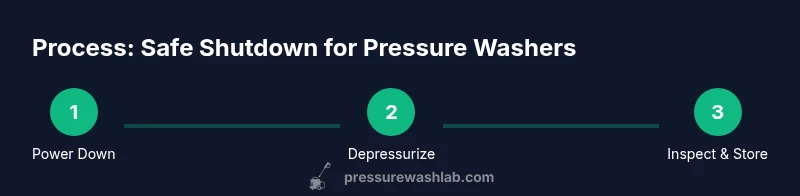
Create a repeatable shutdown procedure: release the trigger to depressurize; power off the unit (electric unplugged or switch off, gas valve closed for gas models); wait for the internal components to cool slightly while ensuring there is no spray; depressurize again after releasing the trigger; disconnect power or fuel supply as appropriate; store the wand, hose, and unit in a safe location with the water drained if needed. Following a consistent sequence reduces risk and protects your equipment.
Unattended operation: recommended practices and safeguards
If you absolutely must leave equipment for a moment, the only safe path is to avoid leaving it running and to ensure it’s in a location with no exposure to bystanders or animals. Use features like automatic shut-off timers if your model supports them, and consider a dedicated staging area where you can safely re-engage work without stepping away. Create a brief, documented checklist that includes depressurizing, turning off, and securing the unit before leaving the workspace. This disciplined approach minimizes hazards and equipment wear.
Preparing for storage: drainage, drying, and containment
Before storing, drain any residual water from the pump and spray lines to prevent freezing or corrosion. Wipe the exterior dry and dry any moisture from connectors. If you operate outdoors, ensure the unit is protected from the elements and placed on a stable surface. For gas models, run the engine until it’s warm, then shut it down and allow the fuel to settle in the tank before transport or long-term storage. Contain runoff with a tarp or tray to keep your workspace clean and safe.
Maintenance habits that reduce run-related wear
Regular maintenance is your best defense against wear from even brief idle periods. Check oil levels on gas models, replace worn seals and O-rings, clean filters, and inspect the pump and valves for signs of fatigue. Clean the nozzle and spray tip to prevent micro-obstructions. Ensure hoses are free of cracks and kinks and that electrical connections are intact for electric units. Regular preventive maintenance lowers the risk of failure during short or unattended runs and keeps performance consistent.
Common mistakes to avoid when using a pressure washer
Avoid letting the unit idle while you search for attachments, which wastes fuel and time and increases wear. Never point the wand at people or pets, even when idle, and never run the washer indoors or in poorly ventilated spaces for gas models. Do not skip depressurizing steps before moving or touching components. Finally, never store a unit hot or in a damp area; give components a chance to cool and dry before storage.
Real-world scenarios: what homeowners should do
In a typical driveway cleanup, plan your workflow so you can complete tasks without long pauses. If you temporarily pause, inspect connectors and hoses, depressurize, and safely power down before stepping away. For exterior surfaces, always ensure the nozzle is set correctly and water supply is steady. Gas-powered units should be used outdoors, with ample ventilation, and never operated near flammable materials. By following a structured shutdown routine, you maintain safety and keep your equipment ready for the next job.
Quick-start checklist before starting any job
Before you start cleaning, review the unit's manual, inspect hoses and connections, wear PPE, test spray on a non-critical area, and confirm you have a safe workspace. Ensure proper water supply and ventilation. Plan for short, supervised runs rather than long unattended bursts. Finally, set a routine shutdown sequence so you can quickly depressurize and store after every task.
Tools & Materials
- Pressure washer owner's manual(Keep for model-specific safety guidelines)
- Personal protective equipment (PPE): safety glasses, gloves, closed-toe shoes(Protect from spray and debris)
- Clear outdoor workspace(Choose a ventilated area away from children)
- Drain pan or tarp(Contain runoff and protect surfaces)
- Wheel chocks or sturdy stand(Stabilize unit during testing or storage)
- Optional water source or neutralizing agent(For rinsing and safe disposal if needed)
Steps
Estimated time: 8-12 minutes
- 1
Power down and depressurize
Release the spray trigger to depressurize the system, then switch off the engine or unplug the electric unit. This prevents residual pressure from causing unexpected sprays when you handle hoses or attachments.
Tip: Keep the wand pointed away from your body while depressurizing. - 2
Cool-down and inspect
Allow the unit to slow and cool briefly if it has been running, then visually inspect hoses, fittings, and the nozzle for signs of wear or leaks.
Tip: Look for soft spots, cracks, or frayed cords as early warnings. - 3
Disconnect power or fuel safely
Electric models: unplug from the outlet or switch off the circuit. Gas models: close the fuel valve or allow it to run briefly to splash fuel into the carb (if safe per manual) and then shut down.
Tip: Never yank the cord or pull the fuel line; handle connections carefully. - 4
Drain and secure hose
Open the drain valve if equipped and remove excess water from hoses to prevent freezing or mold. Coil hoses loosely and secure the wand.
Tip: Drain before storage to minimize corrosion and pressure build-up. - 5
Relocate to a safe storage spot
Move the unit to a sheltered, ventilated area away from kids and pets. Ensure it’s cooled, dry, and stable on a flat surface.
Tip: Use a dedicated mat or tray to contain residual water and keep the surface clean. - 6
Check and plan for next use
Review maintenance tasks for the next job, like nozzle checks or oil levels on gas models. Schedule a quick safety check before you run again.
Tip: Keep a simple maintenance log for each use.
Quick Answers
Is it dangerous to leave a pressure washer running?
Yes. Unattended operation risks overheating, fuel waste, and potential hose or pump failure. Always depressurize and power down when you pause work.
Yes—it's dangerous to leave a pressure washer running unattended. Shut it down and depressurize before stepping away.
Can I leave it on to warm up before starting the job?
Briefly warming up under direct supervision can be acceptable in some cases, but you should not leave it running unattended for warming. Consult the manual and stay near the unit.
Only a brief, supervised warm-up is acceptable; don’t leave it running unattended.
What should I do if I need to step away for a moment?
Turn off, depressurize, unplug or close the fuel valve as appropriate, and move the wand away from people. Return to resume work only after rechecking safety.
Turn off and depressurize before stepping away; never leave it running.
How long can you safely let a pressure washer idle?
There is no universal safe idle period. Always shut down during breaks and follow the manufacturer's guidelines for your model.
There’s no universal safe idle time; follow your manual.
Does running a gas-powered unit affect CO exposure?
Yes. Gas models emit carbon monoxide, so operate only outdoors and in well-ventilated areas to minimize exposure.
Gas models emit CO; always operate outside with good ventilation.
What maintenance helps reduce risks from idle running?
Regularly check seals, replace worn parts, clean filters, and ensure proper lubrication. Preventive maintenance reduces wear and enhances safety.
Regular maintenance prevents wear and improves safety.
Watch Video
Key Takeaways
- Power down and depressurize before storage.
- Relieve heat buildup by cooling and checking components.
- Store in a dry, ventilated area away from kids/pets.
- Follow the manual for model-specific shutdown steps.