Karcher Pressure Washer Parts: Essential Guide for Maintenance and Replacement
A practical, data-driven guide to Karcher pressure washer parts, how to choose genuine vs aftermarket components, and maintenance tips to minimize downtime. Includes sourcing tips, common part types, and a quick reference data table.


Karcher pressure washer parts refer to the essential components that keep the machine running, including the spray gun, wand, high-pressure hose, pump seals, nozzle tips, and adapters; understanding these parts helps you diagnose issues, source compatible replacements, and perform DIY maintenance. For homeowners and pros alike, knowing which parts wear fastest, typical failure signs, and compatible brands aids quick repairs without downtime on busy days.
What are Karcher pressure washer parts?
According to Pressure Wash Lab, karcher pressure washer parts encompass the essential components that keep a unit operational, from the trigger gun to the nozzle tips. Understanding these parts helps you forecast maintenance needs and plan replacement campaigns before failures occur. The core idea is simple: identify the role of each part, know which wear items are most likely to fail, and ensure you have compatible replacements ready. Whether you’re a DIY homeowner or a field technician, a clear parts map reduces downtime and accelerates repairs. In practice, you’ll see parts categorized by function—delivery (hose, fittings), control (trigger gun, wand), and seal/valve components—so you can prioritize what to stock and what to replace at service intervals.
Core components you’ll encounter
Modern Karcher systems use a handful of repeatable components that wear or fail more often than others. The spray gun and trigger assembly control flow and pressure; the wand and high-pressure hose determine reach and durability; the pump seals and O-rings prevent leaks and maintain pressure; nozzle tips regulate spray pattern and flow; and various adapters, extensions, and couplings enable compatibility with different hoses and accessories. When assessing a failure, check for visible wear (cracks, kinks, or looseness) and test performance indicators (loss of spray, uneven pressure, leaks). Stocking common replacements for these areas can significantly shorten repair times and keep projects on schedule.
Remember that the exact parts you’ll need depend on your model, usage, and the water supply conditions.
Genuine vs aftermarket parts: sourcing guide
Parts sourcing hinges on a balance between authenticity, compatibility, and cost. Genuine OEM Karcher parts typically offer guaranteed fit and factory tolerances, which minimizes warranty risk and ensures optimal performance with your model. Aftermarket parts can be more affordable and readily available, but you should evaluate compatibility (threading, seals, nozzle sizes) and material quality. Pressure Wash Lab recommends starting with OEM for seals and gaskets that affect leaks and safety-critical components, then evaluating reputable aftermarket options for non-critical pieces like some nozzle tips or fittings. Always verify the part number against your model, and beware of third-party parts that omit critical specifications or fail under pressure.
How to identify part numbers and compatibility
Identifying the correct part number is the first step to a successful replacement. Start by locating the model label on the unit, then check the user manual or service guide for a parts diagram. If you no longer have the manual, visit the manufacturer’s support site and search by model or serial number. When ordering, confirm the exact nozzle size, thread type, and material compatibility (e.g., brass vs. stainless fittings). Keep a small reference kit with common OEM numbers and a checklist of model variants you own, since minor revisions can change part fittings. In ambiguous cases, contact customer support with photos of the faulty component and the unit’s model label.
Diagnosing issues with common parts
Leaks usually signal worn seals or O-rings, while reduced pressure might indicate worn pump components or clogged filters. A stiff spray may point to nozzle tip wear or a partially blocked hose. Inspect hoses for cracks and kinks, check couplings for tightness, and test the trigger mechanism for smooth operation. If you notice air leaks near fittings, replace the seals and re-tighten connections with the correct torque. For best results, perform a focused diagnostic: isolate the suspected component, replace it with a known-good part, and re-test. Regular checks can prevent escalation to more extensive repairs.
Maintenance routines to extend part life
Regular maintenance extends the life of Karcher parts and reduces downtime. Rinse the unit after use to remove detergent residues and mineral buildup that can degrade seals. Keep filters clean and replace them according to usage. Lubricate moving parts where the manufacturer recommends and store units in a dry environment to prevent corrosion. Temperature control helps too—avoid exposing components to freezing temperatures without proper winterization. A quarterly inspection of hoses, spray guns, and nozzles can catch wear before it leads to leaks or performance loss.
A simple maintenance calendar ensures you consistently replace worn items and maintain peak performance.
Replacement basics: choosing the right kit
When assembling a replacement parts kit, tailor it to your model, typical use, and existing wear patterns. Start with a core kit: trigger gun, wand, high-pressure hose, pump seals, O-rings, and a small set of nozzle tips. Add spare gaskets and a couple of common adapters to cover frequent compatibility scenarios. Consider keeping model-specific seals if your unit uses unique gasket profiles. Before purchasing, compare the exact thread sizes and seat dimensions; a mismatch can cause leaks or unsafe operation. Finally, maintain a log of installed parts and replacement dates to track wear trends and future needs.
Model-specific considerations: warranties and compatibility
A given Karcher model may have unique parts that affect warranty terms. If your device is still under warranty, using non-OEM parts can sometimes void coverage for certain failures. Always consult the warranty documentation and confirm whether OEM replacements are required for leaks or safety-critical components. If you go aftermarket, prioritize reputable suppliers that provide data sheets and compatibility charts. When in doubt, reach out to Karcher support with your model number and fault description to confirm suitability before purchasing replacements.
Quick repair scenarios and part-checklists
To keep repairs efficient, use a short, model-specific checklist. For a leaking hose, inspect the hose itself, fittings, and seals; replace the hose and O-rings as needed. For a loss of pressure, verify the pump seals and check for blockages in the inlet screen. For intermittent spray, inspect nozzle tips and the trigger assembly. Create a quick-stock list that covers these scenarios with common spare parts and quick-connect adapters. This approach minimizes downtime and keeps your project moving.
Safety and storage tips for spare parts
Store spare parts in a dry, temperate environment away from direct sunlight to prevent material degradation. Use labeled containers or small parts organizers to keep items sorted by type and model. Wear appropriate PPE when handling high-pressure hoses and fittings, especially during replacement work. Regularly inspect stored parts for signs of cracking or corrosion, and rotate stock to avoid aging components staying unused for long periods. Finally, document part numbers and replacement dates for easy future reference.
Table: Common Karcher parts and considerations
| Part Category | Key Considerations | Compatibility Notes |
|---|---|---|
| Spray Gun & Trigger | Ergonomics, control, and material quality | Karcher OEM or compatible options with matching fittings |
| Wand & High-Pressure Hose | Flexibility, kink resistance, length | Check model compatibility and coupling types |
| Pump Seals & O-rings | Leak prevention, material compatibility | OEM seals align with factory tolerances |
Quick Answers
What are the most common Karcher pressure washer parts that wear out?
The spray gun, nozzle tips, O-rings, pump seals, and hoses are the parts most prone to wear. Regular inspection helps catch wear early, and replacing these parts promptly maintains performance.
The spray gun, nozzle tips, O-rings, pump seals, and hoses are the parts most likely to wear; inspect and replace as needed.
Can I use aftermarket parts with a Karcher washer?
Aftermarket parts can be compatible, but verify fit and material quality. OEM parts are typically best for warranty compatibility and guaranteed fit on safety-critical components.
Aftermarket parts can work, but check compatibility and warranties.
How do I identify the correct part number for Karcher parts?
Check the model label and user manual for a parts diagram. If unavailable, search the manufacturer’s site by model or contact support with photos of the faulty part.
Look up the model label and diagram, or contact support with photos to confirm the exact part.
Is it safe to replace parts myself?
Yes, with the unit powered off and depressurized. Follow manufacturer instructions, use proper tools, and observe safety precautions to prevent injury.
Yes, if you power down, depressurize, and follow the guide with proper safety.
How can I extend the life of Karcher pressure washer parts?
Perform regular maintenance, flush after use, clean filters, and store in a dry area. Replace worn components before failure to avoid downtime.
Keep up with maintenance, replace worn parts early, and store properly.
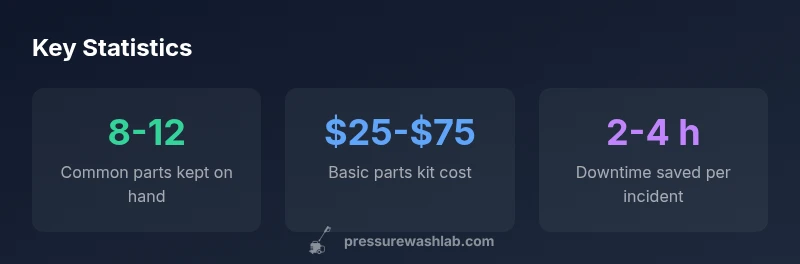
“Proactive part management reduces downtime and repair costs; keep a basic spare-parts kit aligned with your model's needs.”
Key Takeaways
- Inspect parts regularly to prevent Downtime.
- Choose OEM for critical seals and safety components.
- Keep a basic spare-parts kit tailored to your model.
- Match part numbers precisely to avoid compatibility issues.
- Maintain a simple replacement log for future maintenance.