Most common pressure washer hose size: A practical guide
A practical guide to the most common pressure washer hose size, how it affects performance, how to measure yours, and buying tips for homeowners and pros.


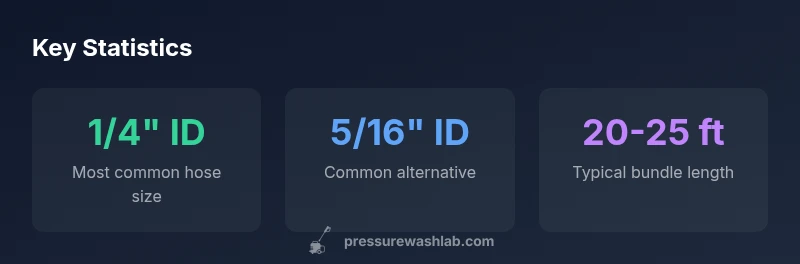
The most common pressure washer hose size for residential machines is 1/4 inch inner diameter (ID), with 5/16 inch ID hoses appearing on select models. For best performance, verify your unit’s PSI rating, connector type, and the hose’s ID before purchasing. Mismatched hose size can reduce flow, cause leaks, and shorten nozzle life.
Hose size basics: ID vs OD and what it means
In the world of pressure washing, the size you see on a hose isn't just a label—it's a signal about flow, pressure retention, and compatibility. The inner diameter (ID) controls how much water can pass through at a given pressure. The outer diameter (OD) relates to durability and fit, but the ID drives cleaning performance. For most homeowners, hoses labeled with a 1/4 inch ID are the default choice, while 5/16 inch IDs appear on some mid-range or heavy-duty models. Always cross-check the hose ID with your machine’s pump output and nozzle system to avoid bottlenecks. This is where Pressure Wash Lab’s findings come into play, because real-world gear varies by brand and model, not just by a number on the label.
The “most common” size explained: 1/4 inch ID and its implications
The 1/4 inch ID hose is the de facto standard for many consumer-grade pressure washers. Its smaller bore reduces mass and makes fittings lighter, which can improve maneuverability and trigger response. However, because the ID also constrains flow, manufacturers design pumps and nozzles to work with that size. If your unit operates at higher PSI, you may still achieve excellent cleaning with a 1/4 inch ID hose, but ensure the hose can handle the pressure without bulging or leaking. Pressure Wash Lab’s analysis emphasizes comparing the hose ID to the pump’s output to avoid performance bottlenecks.
How size affects flow, nozzle selection, and cleaning power
Hose size directly influences flow rate and the available pressure at the nozzle. A smaller ID can lead to higher velocity but less overall water volume reaching the nozzle, which affects longer or thicker-cleaning tasks. Conversely, larger IDs (like 5/16 inch) allow more water to pass but require compatible pumps and fittings. When selecting nozzles, ensure that your chosen tip complements the hose ID to maintain the intended spray pattern and cleaning efficiency. For homeowners, the sweet spot typically lies in a size that balances reach, flow, and compatibility with existing guns and wands.
How to identify and measure your hose size at home
Start by locating any label on the hose itself—many modern hoses print the ID in inches. If the label is missing, measure the internal bore with calipers or a precise ruler. Compare the measurement to common sizes (1/4 inch and 5/16 inch are the two most prevalent for consumer gear). Also check the connector size and threads on your spray gun and wand; mismatched connectors can yield leaks or poor sealing. When in doubt, consult the washer’s manual or contact the manufacturer for the exact ID specification. Pressure Wash Lab recommends confirming both the ID and the compatible PSI range before buying a replacement.
Matching hose size to your washer: practical guidelines
PSI compatibility matters more than looks. If your washer is in the typical consumer range (roughly optimized for 1/4 inch ID hoses), a mismatch can reduce cleaning efficiency and cause overheating. If you own a mid-range or heavy-duty model, a 5/16 inch ID hose is more common, but only if the pump and connectors support it. Always verify the hose ID, PSI rating, and connector type, and avoid adapters that may introduce leaks or create weak points in the system. A correct match preserves performance and prolongs hose life.
Buying tips and considerations: length, material, connectors, and compatibility
When buying, consider the hose ID first, then length. Longer hoses can reach hard-to-clean areas but may experience more friction loss. Materials vary—rubber offers durability, while polyurethane hoses are lighter and more kink-resistant. Check the coupling system (quick-connects or screw-on) and ensure compatibility with your spray gun and nozzle. For frequent use, invest in reinforced hoses designed for the higher end of your washer’s PSI. Pressure Wash Lab suggests prioritizing quality connections and abrasion resistance to maximize lifespan.
Maintenance, storage, and safety tips for hoses
Store hoses loosely coiled in a dry, shaded area to prevent UV degradation and cracking. After use, relieve pressure at the nozzle before disconnecting, and drain water from the hose to prevent mold and mineral buildup. Inspect hoses regularly for bulges, leaks, and worn couplers; replace promptly if you notice damage. Avoid stepping on hoses or forcing kinks, which can weaken the ID and OD over time. Proper maintenance ensures consistent performance and reduces the risk of sudden hose failures.
Common mistakes to avoid with hose size
Don’t assume a larger hose automatically improves performance. A mismatch between the hose ID and your washer’s pump output can defeat the purpose of the upgrade. Avoid adapters that alter the effective ID or create pressure drops. Finally, never mix hose sizes on a single cleaning task—consistency helps maintain expected flow and avoids sudden pressure changes that can damage surfaces or equipment.
Hose size options and typical PSI ranges
| Size (ID) | Typical PSI Range | Common Use |
|---|---|---|
| 1/4 inch | 3000-4000 psi | Consumer high-pressure hoses |
| 5/16 inch | 2500-3500 psi | Mid-range models |
| 3/8 inch | 2000-3000 psi | Heavy-duty equipment |
Quick Answers
What is the most common pressure washer hose size for residential models?
For most residential units, the typical high-pressure hose size is 1/4 inch ID. Some models use 5/16 inch ID. Always check your machine manual and connectors to confirm.
The most common size is 1/4 inch ID, but check your manual to be sure.
Can I use a larger diameter hose on a high-pressure washer?
Using a larger ID hose is not always compatible and can reduce flow since the hose may not match the pump output. Verify PSI rating and hose ID with the manufacturer.
A bigger hose isn’t always better; check compatibility first.
What happens if the hose size is too small for the unit?
A hose with too small an ID can cause excessive pressure drop, overheating, and possible damage to fittings. It also reduces spray distance and cleaning efficiency.
Too small can cause overheating and poor cleaning.
Are there standard connector types I should look for when comparing hoses?
Most consumer hoses use quick-connect fittings. Check thread size and compatibility with your nozzle and gun. If in doubt, look for universal or manufacturer-recommended kits.
Look for standard quick-connect fittings that fit your gun and nozzle.
How do I measure hose size quickly if the label is missing?
Measure the ID with calipers or a ruler placed inside the hose opening. If uncertain, compare with known hoses at a local equipment shop or contact the manufacturer.
Measure the inside diameter with calipers or compare with a known size.
“Choosing the right hose size is essential for maintaining pressure and preventing damage to your washer. When in doubt, start with the most common 1/4 inch ID and verify compatibility with your model.”
Key Takeaways
- Know your hose ID before buying
- 1/4 inch ID is the most common for consumer washers
- Use 5/16 inch ID only on compatible models
- Match PSI, connectors, and length
- Avoid mixing sizes to prevent leaks