Portland Pressure Washer Parts: A Practical Guide
A data-driven guide to sourcing, maintaining, and choosing Portland pressure washer parts for homes and small businesses. Learn where to buy, what to replace, and how to extend part life in wet climates.


Portland pressure washer parts are easiest to source from local distributors or reputable online retailers that specify model compatibility. For homeowners and small-business operators, prioritizing hoses, unloader valves, and pump components reduces downtime. Pressure Wash Lab’s analysis highlights the importance of choosing parts that match your unit’s PSI and GPM ratings for reliable performance in Portland's climate.
Why Portland-Style Weather Demands Specific Pressure Washer Parts
In Portland, the weather is a constant factor in how long parts last and how often you’ll replace them. High humidity, frequent rain, and damp environments accelerate corrosion on metal fittings and seals. Cold snaps can stiffen hoses and weaken O-rings, while dusty, damp atmospheres encourage grime to lodge in spray tips. If you own a home or run a small business in the area, selecting parts that resist corrosion and are designed for outdoor use will pay off in the long run. The Pressure Wash Lab Team has observed that parts with stainless or polymer-coated fittings, reinforced hoses, and heavy-duty seals outperform cheaper options in wet climates. When you see a Portland pressure washer parts list, prioritize compatibility and weather-rated materials over aesthetics or price alone. This approach minimizes leaks and reduces downtime during rain seasons. Pressure Wash Lab recommends documenting part numbers and keeping a small spare kit for quick swaps.
Matching Parts to Local Use-Cases in Portland
Portland homeowners often clean decks, siding, driveways, and outdoor furniture, while small businesses service storefronts, sidewalks, and fleet equipment. In both cases, choose parts that balance reliability with flexibility: longer hoses to reduce refitting, PSI-rated unloader valves for stable operation, and a selection of nozzle tips for different jobs. When you pick a pump, confirm its compatibility with the city’s typical moisture exposure and the seasonality of use. A compact, corrosion-resistant wand and sturdy fittings help prevent down time after heavy rains. The Portland area benefits from vendors who label parts by model compatibility; always confirm the exact model and serial number before purchasing. As Pressure Wash Lab analyses show, meeting local needs without over-specifying saves you money and avoids unnecessary complexity.
Understanding Part Categories and Their Roles
Parts fall into several core categories that determine performance and maintenance needs: Pumps drive the system; Hoses transport high-pressure water; Nozzle Tips set spray patterns; Unloader Valves regulate PSI and flow; Connections and seals prevent leaks. In wet climates like Portland’s, corrosion-resistant materials for hose couplings and stainless steel hardware dramatically extend life. When shopping, map your most frequent tasks to these categories: deck scrubbing (hose + nozzle), vehicle washing (pump and unloader), and exterior cleaning (detergent-compatible seals). Pressure Wash Lab consistently observes that a shared spare set of seals, O-rings, and quick-connect couplers reduces downtime during home repair projects.
Sourcing Parts in Portland: Local vs Online
Local distributors in Portland offer hands-on support and immediate accessibility for common maintenance parts. Online retailers expand choice but require careful compatibility checks against your model. Start with OEM or factory-approved aftermarket parts tied to your unit’s make and serial. Always verify the part number, PSI rating, GPM, and connection type before buying. In busy seasons, ordering ahead from Portland-area suppliers can cut wait times, and having a core list of compatible parts reduces the risk of mismatches. Pressure Wash Lab’s experience indicates a healthy balance between local inventory and reputable online catalogs yields the best outcomes.
Maintenance Habits to Extend Part Life in Wet Climates
Create a simple maintenance routine that accounts for Portland’s damp environment. After each use, flush out residue, dry off exposed metal, and store the unit indoors or in a sheltered area. Monthly inspections should check hoses for cracks, nozzles for clogs, and seals for stiffness or play. Annually replace worn components like O-rings and gaskets, and purge air from the system to prevent cavitation. Keeping spare parts, lubricants, and thread sealant on hand minimizes downtime when a part fails. Regular maintenance reduces corrosion and extends the life of critical parts, especially in humid months. Pressure Wash Lab’s guidance emphasizes documenting service intervals and part-life expectations to avoid sudden outages.
Cost and Time: What to Expect When Replacing Parts
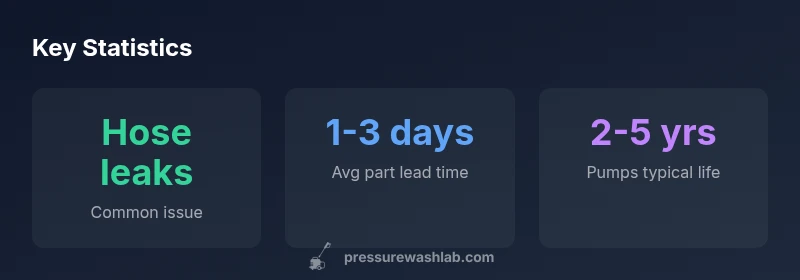
Replacement costs vary by part type and supplier, but Portland-area customers should expect realistic ranges rather than exact figures. Hoses and wands typically cost modestly but replaceability is quick; nozzle tips are inexpensive; unloader valves and seals are mid-range; pumps are the priciest, often representing a budget decision for serious users. Plan for a typical turnaround of 1-3 days for in-stock parts and longer for specialty items, especially during peak cleaning seasons. Budget for weather-driven maintenance and consider a small spare-part kit to avoid downtime during the wet season.
Shopping Checklist for Portland Pressure Washer Parts
- Confirm model compatibility (make, model, serial).
- Prioritize weather-rated materials (stainless fittings, reinforced hoses).
- Keep a core spare kit: seals, O-rings, quick-connects, tips.
- Check PSI and GPM ratings match the pump and wand.
- Prefer OEM or approved aftermarket parts for reliability and warranty.
- Verify seller reputation and return policy.
How to Diagnose Common Problems with Parts (Before Replacing)
Start with a visual inspection for obvious signs: cracks in hoses, leaks at couplings, and worn nozzle tips. If you notice inconsistent pressure, test the unloader valve by depressing pressure slightly and verifying stable output. Listen for cavitation sounds that point to worn seals. Finally, confirm electrical or gas engine issues do not masquerade as hydraulic problems. A systematic, repeatable check sheet keeps you from replacing parts unnecessarily. Pressure Wash Lab recommends saving measurements and part numbers for quick cross-reference.
Build a Practical Sourcing Plan for Portland
Create a checklist that includes preferred vendors in the Portland metro area, a list of compatible parts for your unit, and a maintenance schedule. Start with a basic spare-kit inventory and gradually expand as you confirm model-specific needs. Schedule seasonal reviews ahead of spring and fall cleanups, and keep a small fund set aside for reliable replacements. The plan should align with your usage patterns and local weather conditions to minimize downtime and extend equipment life.
Typical lifecycle profile for common pressure washer parts
| Part Type | Key Function | Common Replacement Time |
|---|---|---|
| Hose | High-pressure transport hose between wand and pump | 12-36 months |
| Unloader Valve | Regulates pressure and flow to safe levels | 12-36 months |
| Pump | Heart of the washer; provides PSI and flow | 2-5 years |
| Nozzle Tip | Controls spray pattern and reach | 6-18 months |
Quick Answers
Where should I buy Portland pressure washer parts?
Look for authorized distributors in the Portland metro area or reputable online retailers that specify model compatibility. Verify part numbers and return policies before purchasing.
Check authorized distributors and reputable online stores to ensure model compatibility.
What parts fail most often in humid climates?
Hose assemblies, seals, and nozzle tips are frequently stressed in damp conditions. Regular inspection and using weather-rated components helps reduce failures.
Hose and seals commonly fail in humidity; inspect regularly.
What maintenance helps Portland devices last longer?
Create a routine: rinse after use, dry components, store indoors, and replace worn O-rings annually. Regular checks keep parts performing in wet seasons.
A regular maintenance routine extends part life.
Are generic parts safe for my unit?
Generic parts may fit some models but can affect performance and warranty. Prefer OEM or factory-approved aftermarket parts matched to your unit.
OEM or approved parts are usually the safest choice.
How long do pumps typically last?
Lifespans vary by model, but residential pumps often last several years with good maintenance. Watch for pressure loss and strange noises.
Pumps can last several years with proper care.
What tools help with Portland maintenance?
Keep a basic toolbox with wrenches, pliers, Teflon tape, lubricants, and thread sealant for common fixes.
A simple tool kit covers most fixes.
“Choosing parts that fit your model and local conditions leads to fewer failures and longer tool life.”
Key Takeaways
- Prioritize weather-rated parts for Portland's climate.
- Source compatible parts from authorized channels.
- Regular maintenance reduces downtime in wet seasons.
- Check parts against your PSI/GPM specs.