Power Wash Patio: Step-by-Step Guide for DIYers
Learn how to power wash a patio safely and effectively with a step-by-step plan, gear recommendations, surface-specific techniques, and maintenance tips to restore concrete, stone, or paver spaces.


Power washing a patio is doable with the right prep, gear, and steps. This concise answer covers equipment, safety, and a repeatable process to revive concrete, stone, or paver surfaces. See full steps for details.
What a power wash patio can do for your outdoor space
A regular power wash patio job removes years of built-up grime, algae, and mildew that dull outdoor surfaces. When done correctly, it can restore color and grip, prevent surface damage from organic growth, and extend the life of concrete, brick, stone, or pavers. According to Pressure Wash Lab, a measured approach with the right nozzle and water pressure prevents etching and keeps joints intact while delivering a clean, even finish. This section explains the benefits you gain from a well-executed power wash and sets the stage for a safe, effective clean.
Preparation: inspection, weather, and planning
Preparation is the backbone of a successful patio cleaning project. Start with a thorough inspection to identify loose or damaged tiles, cracks, or weed growth that could worsen with pressure. Check the weather forecast and choose a dry day with mild temperatures to help surfaces dry evenly and minimize slip hazards. Plan a perimeter protection strategy for nearby plants, outdoor furniture, and electrical outlets to avoid collateral damage and runoff that could affect landscaping. A clear plan helps you work efficiently and reduces the risk of mistakes during the wash.
Gear, cleaning solutions, and setup
Choosing the right gear is essential for safe, effective power washing. A suitable pressure washer with a broad spray pattern is typically recommended for patios, along with nozzle tips that allow you to control the spray width and intensity without gouging the surface. Have hoses long enough to reach every area and ensure the water source is steady. For cleaning solutions, select detergents formulated for exterior surfaces and compatible with the surface you’re cleaning. Use protective gear (eye protection, gloves, sturdy footwear) and keep a first-aid kit handy. This section walks you through selecting, testing, and setting up gear before you start.
Surface considerations: concrete, pavers, and stone
Not all patio materials respond the same to pressure washing. Concrete tends to tolerate higher pressure but can develop micro-etching if overdone. Pavers and stone require careful nozzle choice and often a gentler approach to prevent peeling or dislodging sand between joints. If your patio has sealant or dye, verify compatibility with your chosen cleaner and nozzle. Always test on a small, inconspicuous area first to gauge how the surface responds before proceeding to broader sections. This section helps you tailor your method to your material for best results.
Safe operation practices and environmental considerations
Safety comes first when power washing. Keep people and pets away from the work zone, and never aim the spray at electrical outlets or wiring. Protect plants with shields or tarps and avoid runoff that could wash cleaning chemicals into lawns or gardens. Use biodegradable cleaners when possible and follow local regulations on water runoff. Managing safety and environmental impact reduces risk and keeps your space ready for use after drying.
Step-by-step workflow overview
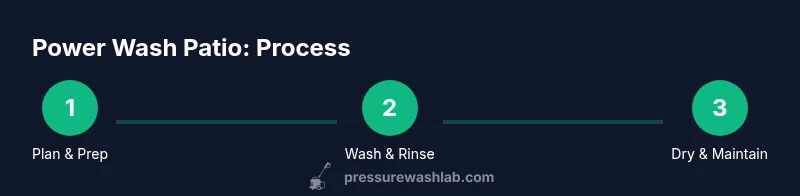
A well-planned workflow minimizes rework and helps you stay organized as you clean. Start with a dry area test, then work in sections, maintaining an overlapping spray pattern to avoid streaks. Move from edges to the center, rinse thoroughly, and recheck for stubborn spots. The goal is a uniform, residue-free finish that dries evenly and reveals your patio’s true color and texture.
Aftercare and maintenance
After a power wash, inspect for any residue or remaining stains and re-treat if needed. Allow the surface to dry completely before applying any sealant or protective coating—this prevents trapping moisture that can lead to mildew. Regular maintenance—such as periodic light cleanings and resealing where required—helps preserve the patio’s appearance and longevity. This section covers timing, products to use (or avoid), and signs it’s time for a refresh.
Authority sources
For context and safety guidelines, consult reputable sources on exterior cleaning and safety:
- https://www.osha.gov/
- https://extension.illinois.edu/
- https://extension.udel.edu/
Tools & Materials
- Pressure washer(Mid-range capacity is recommended for patios; avoid high PSI on delicate surfaces.)
- Nozzle tips (e.g., wide 25°-type; 15° optional for stubborn spots)(Use wide spray first to minimize surface damage; switch only when needed.)
- Rotating surface cleaner (optional)(Speeds up large flat areas and helps reduce streaks.)
- Garden hose with adequate length(Ensure a steady water supply and proper pressure.)
- Protective gear (eye protection, gloves, closed-toe shoes)(Prevent splashes and debris exposure.)
- Tarps or plastic sheeting(Cover nearby plants, furniture, and outlets.)
- Stiff-bristled brush(For stubborn stains after rinsing.)
- Detergent or degreaser suitable for exterior use(Choose a product compatible with your surface and the washer.)
Steps
Estimated time: 90-150 minutes
- 1
Assess the patio and plan the approach
Walk the area to identify damage, weeds, or fragile joints. Decide water source location, drainage consideration, and whether you’ll use detergents. A clear plan reduces the chance of damage and saves time during the wash.
Tip: Do a quick look-around before you power on the machine to spot weak points. - 2
Gather and check equipment
Assemble the washer, hoses, and nozzle tips. Confirm that all connections are tight and there’s no kinks in hoses. Have detergents ready if you plan to use them.
Tip: Test your spray on a scrap surface or an inconspicuous corner first. - 3
Protect surrounding plants and surfaces
Cover plants, furniture, and delicate landscaping with tarps. Move items away from the work zone to prevent splash damage and chemical exposure.
Tip: Place a water-safe barrier between the spray path and any nearby greenery. - 4
Test a small patch
Apply water and cleaner to a hidden patch to observe the surface response. Check for color change, etching, or efflorescence before proceeding.
Tip: If discoloration appears, stop and adjust pressure or detergent choice. - 5
Start with low pressure and wide spray
Begin with the widest spray setting, keeping the nozzle at a safe distance. Work in overlapping passes to minimize streaks while protecting joints.
Tip: Keep the wand moving to avoid concentrating on one spot. - 6
Clean in sections with methodical passes
Move systematically from outer edges toward inner areas, maintaining even overlap. Pause on stubborn stains to reapply detergent or use a different nozzle.
Tip: Don’t rush; even coverage yields a better finish. - 7
Rinse thoroughly to remove residue
Switch to a neutral spray and thoroughly rinse all cleaned zones. Ensure surfacing is free of cleaner residues to prevent surface slickness or staining.
Tip: Rinse slow and methodically; excess cleaner can create streaks. - 8
Address stubborn stains with targeted approach
For oil stains or mildew, reapply cleaner or switch to a slightly stronger nozzle, testing in a patch first.
Tip: Limit exposure time of detergent on sensitive surfaces. - 9
Inspect, dry, and re-evaluate
After rinsing, walk the surface to check for missed spots. Allow full drying before deciding if a second pass is needed.
Tip: If you see low spots, consider re-washing once dry for best results. - 10
Optional: seal or protect the surface
If recommended for your material, apply a suitable sealant after the surface is completely dry. Sealants can enhance stain resistance and color.
Tip: Follow product instructions precisely for best results. - 11
Clean up and store equipment
Drain and store hoses and wands properly to prevent damage. Wipe down equipment to remove residual cleaner and moisture.
Tip: Inspect equipment for wear after the job and replace worn parts as needed. - 12
Document results for future reference
Take photos before and after cleaning to track the appearance and note maintenance intervals for future projects.
Tip: A quick photo log helps with future scheduling and product selection.
Quick Answers
Do I need a pressure washer to power wash a patio?
Yes, a pressure washer is generally needed for efficient patio cleaning. Choose a mid-range machine and appropriate nozzle to balance cleaning power with surface safety. Start with a wide spray and increase only if necessary, testing on a small area first.
Yes, you’ll typically need a pressure washer. Pick a mid-range model, use a wide spray, and test on a small patch first.
What surfaces can you power wash on a patio?
Common patio surfaces include concrete, brick, stamped concrete, pavers, and natural stone. Each material responds differently to pressure; adjust nozzle and distance accordingly to avoid etching or joint damage.
Patios use concrete, brick, pavers, or natural stone. Adjust your approach for each material.
Can power washing remove tough stains like oil or mildew?
Yes, many stains improve with detergents designed for exterior use. For stubborn spots, pre-treat or use a slightly stronger nozzle on small patches, then rinse thoroughly. Always test first.
Stubborn stains can improve with the right cleaner and targeted treatment, then a thorough rinse.
Is it safe to power wash around plants and outdoor furniture?
Protect plants and furniture with tarps or shields. Use indirect spray and avoid chemical runoff that could harm landscaping. If possible, shield vulnerable areas and rinse away any cleaner promptly.
Protect nearby plants and furniture with shields, and avoid runoff that could harm plants.
How long does it take for a patio to dry after washing?
Drying time depends on weather, surface material, and sun exposure, but most patios dry within several hours on a warm, sunny day. Avoid traffic on the surface until fully dry.
Drying usually takes a few hours in good weather; avoid walking on it until it's dry.
Should I seal my patio after washing?
Sealing is optional and depends on material type and maintenance goals. If recommended by the surface manufacturer, wait until the patio is completely dry, then apply the sealant as directed.
Sealing can be beneficial if your surface material calls for it; wait for full drying first.
Watch Video
Key Takeaways
- Plan and prep thoroughly before washing
- Use wide spray and gradual pressure to protect joints
- Test patches to avoid damage
- Rinse completely to prevent residue and slippery surfaces
- Document results for maintenance planning