Pressure Washer Cleaning: Safe, Effective Methods for Real-World Results
Master pressure washer cleaning with a practical, step-by-step guide covering safety, setup, nozzle choices, detergents, and maintenance tips for homes and small businesses.


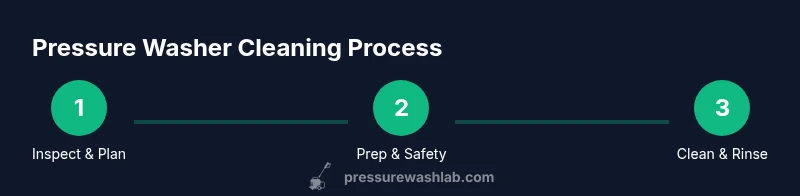
Learn to perform pressure washer cleaning safely and effectively. Start with area assessment, choose the right nozzle, set appropriate pressure, apply detergents if needed, and rinse thoroughly. This guide helps homeowners and DIYers protect surfaces while achieving professional results, without causing damage, in a practical, repeatable process every time you wash.
Why Pressure Washer Cleaning Matters
Pressure washer cleaning is a practical way to restore curb appeal, extend the life of exterior surfaces, and remove embedded dirt, mold, and algae that standard scrubbing can't touch. When executed correctly, it speeds up cleaning tasks for driveways, siding, decks, fences, and vehicles without resorting to harsh abrasives. According to Pressure Wash Lab, a focused, methodical approach reduces the risk of surface damage and environmental overspray while delivering consistent results across different materials.
This method isn’t just about power; it’s about purpose. A thoughtful plan includes surface assessment, weather awareness, and tailored technique for each material—stone, brick, wood, vinyl, and painted surfaces—so you maximize safety and minimize collateral damage. By understanding the limits of your equipment and the sensitivities of the substrate, you can achieve dramatic cleanliness without removing paint, flecking veneer, or eroding mortar.
In practice, pressure washer cleaning speeds up the removal of grime, pollen, algae, and oil stains, making outdoor spaces more usable and visually appealing. It also creates a cleaner palette for subsequent sealing or painting projects, which can extend the life of exterior finishes. The goal is repeatable results that you can trust, time after time.
Key Safety Consider Before You Start
Safety isn’t optional; it’s the foundation of every successful pressure washer cleaning project. Start with a clear plan, the right PPE, and a risk assessment for your property. Protect yourself and bystanders from high-pressure spray, flying debris, and electrical hazards. Never work near outlets, electrical cords, or damp zones where water could create a shock risk. Keep pets and children away from the work area, use non-slip footwear, and wear safety glasses and sturdy gloves.
Before turning on the machine, inspect hoses for cracks or bulges, ensure the wand and nozzle are securely attached, and verify that the spray pattern won’t cause damage to nearby plants, windows, or vehicles. Always test on a small, inconspicuous area first to gauge surface reaction. If you’re unsure about a surface’s compatibility, consult the manufacturer’s guidelines or seek professional advice. Lastly, plan the work for daylight hours to monitor airflow and wind direction, reducing overspray and environmental impact.
Environmental awareness matters: use reusable water sources when possible, and collect runoff if needed to avoid contaminating soil or waterways. With these precautions, you’ll reduce risk and improve outcomes, especially when cleaning porous materials like brick or masonry.
Understanding Nozzle Choices and Pressure Ranges
Nozzle selection is the most critical variable in pressure washer cleaning. Nozzles come in different spray angles, and choosing the right one protects surfaces while delivering effective cleaning. A wider angle (often green or yellow in common sets) reduces the risk of etching on delicate surfaces, while narrow spray patterns (red or blue-toned options) can tackle stubborn stains in concrete, masonry, or built-up grime. Start with a wide-angle nozzle on delicate surfaces such as painted wood, vinyl siding, or high-gloss finishes.
Pressure is not a single number; it’s a field that varies by surface, tool, and environmental conditions. For general cleaning, begin at the lowest effective setting and increase only as needed. Maintain a steady distance from the surface—moving too close increases the risk of damage, while moving too far reduces cleaning efficiency. When in doubt, consult your equipment manual and run small tests on scrap material or hidden areas to calibrate your approach. Remember: surface type, age, and previous coatings influence how aggressively you clean.
If you use a surface cleaner for large flat areas like driveways or sidewalks, you’ll typically see faster, more uniform results with less splash-back. For textured surfaces, combine a wide-angle nozzle with a surface cleaner or a rotating brush accessory to prevent streaking and gouging. Record your settings for future projects so you can reproduce safe, effective results consistently.
How to Set Up Your System Safely
Preparation is the backbone of a clean, safe operation. Begin by laying out the workspace: remove loose objects, secure pets, and cover nearby plants if overspray is a concern. Verify a stable water source and clean hoses free of kinks. If you’re using an electric pressure washer, ensure the outlet is GFCI-rated and away from spray zones. For gas-powered units, operate in well-ventilated outdoor spaces and follow fuel safety protocols.
Attach the appropriate nozzle, ensuring a snug fit. Keep the wand pointed away from your body during connection to avoid accidental discharge. Check the spray pattern on a test spot before moving to the main area. Start with the lowest pressure and a wider spray to gauge surface response, then gradually increase if needed. Maintain a consistent, slow pace with overlapping strokes to avoid missed spots and uneven cleaning.
Finally, ensure the unit is steady and not at risk of tipping. Disconnect your hose if you need to relocate the machine and never coil live cords around damp surfaces. A calm, systematic setup reduces mistakes and protects both you and your property.
Detergents, Application, and Surface Prep
Detergents can dramatically improve cleaning efficiency, particularly on oil stains, algae, and mould. Use detergents specifically formulated for pressure washers and follow the manufacturer’s dilution instructions. Pressure Wash Lab Analysis, 2026 shows that proper detergent use, combined with correct dwell time, significantly reduces scrubbing time and improves surface safety when used with the right nozzle.
Pre-wet surfaces to help detergents spread evenly, then apply the cleaning solution from bottom to top, allowing time for the product to dwell on embedded grime. For vertical surfaces, work in vertical strips to minimize streaking. Keep the nozzle at a safe distance to avoid surface damage and avoid spraying directly into pores or cracks. Rinse detergents off thoroughly, using a wider-angle nozzle, with ample water to remove remaining residue. If stains persist, consider spot-treating with a milder approach or gentle scrubbing with a nylon brush—never use aggressive tools that could scratch or gouge surfaces.
Finally, consider environmental impact: use biodegradable detergents and rinse toward grass or gravel where appropriate, avoiding drains near flower beds or stormwater inlets. Detergent choice and application technique matter as much as the nozzle you select and the pressure you apply.
A Practical, Step-by-Step Run Through a Sample Job
Imagine you’re cleaning a typical suburban driveway and some vinyl siding. Start by inspecting the surface—note areas with heavy staining, painted sections, and any loose material. Gather your tools, PPE, and detergents, and set up a safe, dry workspace. Attach a wide-angle nozzle for surface areas and prepare your detergent solution if necessary. Begin by pre-wetting the surface, then apply the cleaning solution in a linear pattern from one edge toward the center, letting it dwell briefly as you prepare to wash.
Move to the far area first to create a clean boundary you can work from, then systematically work toward the exit. Use overlapping passes and maintain a consistent distance to avoid streaks. For stubborn patches, switch to a more focused nozzle at a safe distance and apply light, controlled pressure. Rinse the area thoroughly from top to bottom, checking for remaining grime. Finally, inspect and address any missed spots. Carry out a final rinse with a wide-angle nozzle and allow surfaces to air-dry or wipe dry for best results.
Maintenance, Storage, and Longevity
After completing a pressure washer cleaning project, take a few minutes to care for your equipment. Rinse the wand and nozzle to remove detergent residues, then inspect hoses for kinks or cracks. Drain and coil hoses loosely to prevent kinks, and store the unit in a ventilated area away from freezing temperatures or direct sunlight. If you have a rotating nozzle or surface cleaner, clean them according to the manufacturer’s recommendations to prevent clogs and buildup.
Regular maintenance reduces the risk of leaks, loss of pressure, or reduced spray quality. Replace damaged parts promptly, and keep a simple spare parts kit on hand for quick fixes. A clean, well-maintained setup extends the life of your gear and yields consistently better results in future cleanings.
Finally, track your cleaning sessions: note which detergents, nozzle choices, and pressure ranges delivered the best outcomes for each surface. A short log makes it easier to reuse successful configurations and adjust for seasonal changes in weather or surface conditions.
Common Mistakes and How to Avoid Them
Even experienced DIYers make missteps when learning pressure washer cleaning. The three most common errors are using too-high pressure on delicate surfaces, neglecting to test on a hidden area first, and neglecting surface dwell times for detergents. Each mistake can lead to permanent damage, such as etched concrete, splintered wood, or peeled paint. To avoid these issues, always start at the lowest safe setting and gradually increase as needed, test on an inconspicuous spot, and follow detergent instructions precisely.
Another frequent pitfall is attempting to wash large areas from too close a distance. This creates streaks, overspray, and potential surface damage. Instead, maintain a moderate distance, work with steady, overlapping passes, and use a surface cleaner for wide zones to minimize risk and maximize speed. Finally, never direct the spray at people, animals, or fragile plants, and avoid spraying water at electrical outlets or equipment without proper protection. By replacing guesswork with a structured approach, you’ll consistently get cleaner results while protecting surfaces and the environment.
Tools & Materials
- Pressure washer (gas or electric)(Ensure it’s outdoor-rated and has adjustable nozzle(s) or multiple nozzle tips.)
- Water source/hose(Stable supply; check for leaks and appropriate hose length.)
- Nozzle set (0°, 15°, 25° or adjustable)(Start wide for delicate surfaces; reserve narrow for stubborn stains.)
- Surface cleaner attachment (optional)(Speeds up large flat areas and evens cleaning.)
- Detergent formulated for pressure washers(Use eco-friendly, non-bleach formulas unless specified.)
- Spray wand extension (optional)(Improves reach for high areas or tight spots.)
- Personal protective equipment (PPE)(Safety glasses, gloves, and non-slip footwear.)
- Drop cloths or plastic sheeting(Protect plants and nearby surfaces from overspray.)
- Stiff brush or deck brush(Pre-scrub heavy grime before washing.)
Steps
Estimated time: 60-90 minutes
- 1
Inspect and plan the project
Walk the area to identify sensitive surfaces, obstacles, and heavy grime. Decide which surfaces require gentler treatment and which can tolerate more aggressive cleaning. Create a rough sequence (start high, work down) to prevent drips and rework.
Tip: Document potential hazards and surface types before you begin. - 2
Gather tools and PPE
Assemble your nozzle set, detergents, spray wand, surface cleaner (if using), and PPE. Place everything within arm’s reach but away from the spray path. Verify cords and hoses are free of kinks and trip hazards.
Tip: Pre-assemble everything to minimize back-and-forth during the job. - 3
Connect water source and check equipment
Attach the garden hose to the pressure washer and ensure a secure water supply. Check hoses for leaks and tighten fittings. Power off the unit before changing nozzles or attachments.
Tip: Never skip a quick leak check; it prevents messy downtime. - 4
Attach nozzle and test a small area
Fit the widest nozzle for delicate surfaces and gradually switch to narrower nozzles as needed. Test on a hidden patch to gauge surface response before full-area cleaning.
Tip: Test first; it saves major surface damage later. - 5
Apply detergent and let dwell
If using detergent, apply it according to the product instructions and allow time for it to penetrate grime. Start from the bottom and move upward for even coverage.
Tip: Do not let detergent dry on vertical surfaces. - 6
Clean with overlapping passes
Clean with slow, steady motions and overlapping strokes. Start from the top, moving downward on vertical surfaces and from one edge to the other on horizontal surfaces.
Tip: Keep a consistent distance to avoid streaks. - 7
Rinse thoroughly and inspect
Rinse using a wide-angle nozzle to remove detergent and loosened grime. Inspect the surface for missed spots and re-clean as needed.
Tip: Rinse from top to bottom to prevent recontamination. - 8
Dry, store, and document results
Allow surfaces to dry completely, then store equipment in a shaded, ventilated area. Note which detergents and nozzle setups worked best for future jobs.
Tip: Maintain a simple log for repeatable success.
Quick Answers
What is the best nozzle for delicate surfaces like vinyl siding?
For delicate surfaces, start with a wide-angle nozzle and the lowest effective pressure. Test on a hidden area before broad application to avoid damage. If staining remains, switch to a slightly narrower nozzle with caution and at a safe distance.
For siding, begin with a wide-angle nozzle at low pressure and test on a hidden area. If needed, switch to a narrower nozzle cautiously while keeping a safe distance.
Do I need detergent when pressure washing?
Detergents are not strictly required for all jobs, but they greatly improve cleaning efficiency on oily, mouldy, or algae-covered surfaces. Use only detergents designed for pressure washers and follow dilution guidelines.
Detergents aren’t always required, but they help with tough grime. Use only approved detergents and follow the label.
Can pressure washing damage painted surfaces?
Yes, high pressure can strip paint or cause damage if used too closely or with the wrong nozzle. Always test and start with low pressure, especially on painted or varnished surfaces.
Yes, it can damage paint if misused. Start gentle, test first, and mind the nozzle choice.
Is it safe to wash near plants and lawns?
Water runoff can affect soil and plant health. Protect vegetation with shields or move containers away, and use lower pressure near landscaping. Rinse away detergents promptly to minimize impact.
Be mindful of plants—shield or move them, use lower pressure near greenery, and rinse detergents away quickly.
Should I rent or buy a pressure washer for occasional use?
For occasional, small projects, renting is cost-effective. If you expect frequent use, investing in a model with adjustable pressure and good attachments offers better value over time.
If you’re only cleaning occasionally, renting is best; for regular use, buying makes sense.
How should I store my pressure washer between jobs?
Allow the machine to dry completely, drain hoses, and store in a cool, dry place away from direct sun. Keep nozzles and attachments organized to prevent loss or damage.
Dry, drain, and store in a sheltered spot. Keep everything organized for easy access next time.
Watch Video
Key Takeaways
- Test a small area first to prevent damage
- Start with low pressure and gradually increase
- Use the right nozzle and maintain distance
- Apply detergents properly and rinse thoroughly
- Store equipment properly to extend life