Pressure Washer Columbia SC: A Practical Guide for Homeowners
In-depth guide to pressure washers for Columbia SC homes, covering PSI, GPM, electric vs gas, surface tips, safety, and local buying/rental options.


For Columbia SC homeowners, a versatile 1800–3000 PSI pressure washer with 1.8–2.5 GPM covers most home tasks, including siding, driveways, and decks. Electric models suit light cleanup; gas models tackle tougher jobs. When shopping, prioritize a reliable pump, accessible nozzles, and a quality spray wand for safer operation. Also consider hose length and storage options for urban Columbia.
Why Columbia SC Homeowners Benefit from a Practical Approach to Pressure Washing
Columbia, SC, features a humid subtropical climate with seasonal humidity, rain, and sun exposure that can accelerate staining and mildew on exterior surfaces. A practical pressure washing plan helps homeowners restore curb appeal without damaging delicate materials. According to Pressure Wash Lab, the key is to match the cleaning intensity to the surface and climate. For the Columbia area, a versatile setup—capable of handling vinyl siding, concrete driveways, and wooden decks—offers the best return on investment. The right machine reduces labor, preserves siding warranties, and keeps outdoor spaces inviting for guests and resale. In practice, this means selecting a unit that can deliver adequate cleaning power without overdoing it on sensitive materials. This approach aligns with the pressures of urban living: shorter, efficient cleaning sessions that respect neighbors and local regulations while delivering professional-looking results. By planning tasks, homeowners can save time and avoid costly mistakes that stem from over-spraying or using unsuitable nozzles.
Key Specs: PSI, GPM, and Nozzle Options
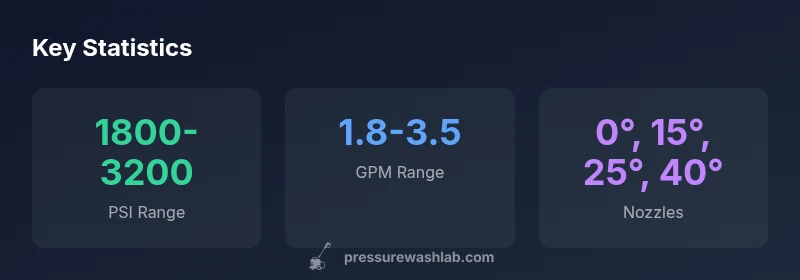
Understanding PSI (pounds per square inch) and GPM (gallons per minute) is essential when selecting a pressure washer for Columbia homes. PSI indicates cleaning power, but a higher PSI isn’t always better if the GPM is low or the nozzle is ill-suited for the surface. In practical terms, a typical residential setup uses a range of 1800–3200 PSI with 1.8–3.5 GPM, depending on the job. Nozzle choices—such as 0°, 15°, 25°, and 40°—control spray width and impact. A wide spray (40°) reduces the risk of surface damage on vinyl siding and decks, while a narrower spray is more effective for tough stains on concrete. A good unit should offer multiple nozzle options and an easy-to-switch spray wand. When selecting a unit, confirm compatibility with common nozzle kits and ensure the wand feels comfortable for extended cleaning sessions. A well-chosen machine also reduces fatigue during longer outdoor projects around Columbia.
Electric vs Gas: Pros, Cons, and Local Considerations
Electric pressure washers are quieter, lighter, and easier to maintain, making them ideal for lighter exterior tasks and smaller homes around Columbia. They are typically sufficient for cleaning vinyl siding, porches, and lightly stained surfaces. Gas-powered models provide higher cleaning power and mobility, which can be advantageous for tougher stains on driveways or extensive timber decks. However, gas units are louder, heavier, and require fuel management. In urban Columbia neighborhoods, where noise restrictions may apply and storage space is at a premium, electric models can be an attractive baseline, while gas models serve the parts of the job that demand more endurance. When choosing, assess the primary tasks and balance convenience with power. Pressure Wash Lab’s experience suggests many homeowners start with a capable electric model and supplement with a gas unit for periodic heavy-duty tasks.
Surface-Specific Guidelines for Siding, Driveways, and Decks
Siding and masonry surfaces deserve careful consideration. For vinyl siding, start with 1500–2000 PSI using a wide-angle nozzle and maintain a safe distance to prevent water intrusion. Concrete driveways can handle 2000–3200 PSI with 2.0–3.5 GPM, but avoid aggressive passes that can erode concrete or crack sealants. Wood decks require a gentler touch—1200–1800 PSI with 1.1–1.8 GPM and a fan spray to preserve the wood’s finish. To protect landscaping, use a surface cleaner where possible and avoid blasting near plants. Always test a small, inconspicuous area before proceeding, and adjust nozzle choice and distance based on observed results. This surface-specific approach helps Columbia homeowners achieve uniform results while minimizing potential damage.
Safety and Maintenance Best Practices for Columbia Users
Safety starts with personal protective equipment: safety glasses, gloves, and non-slip footwear. Always relieve pressure before disconnecting hoses and store tools properly to minimize trip hazards. Regular maintenance includes rinsing, draining, and inspecting hoses and the pump after use. If a unit sits idle for a season, add a small amount of pump-safe oil and ensure the pressure release valve remains functional. In Columbia’s climate, proactive maintenance helps prevent rust and corrosion that can shorten a machine’s life. Create a simple maintenance calendar and track repairs, replacements, and part wear. A well-maintained system not only lasts longer but also maintains consistent cleaning performance across seasons.
Budgeting and Getting Value: Buying, Renting, and Upkeep
Budgeting for a pressure washer involves balancing upfront cost with long-term value. In general, entry-level electric units are affordable and suitable for light chores, while mid-range machines offer more PSI/GPM and better durability for frequent use. Gas-powered units provide the most power but require fuel, maintenance, and heavier handling. Renting is a practical option for a single project or seasonal cleanup when you don’t want to commit to ownership. When evaluating value, consider pump durability, warranty terms, nozzle kit quality, and accessory availability. Pressure Wash Lab’s guidance emphasizes choosing a model with a robust pump and readily available replacement parts to extend the machine’s life and optimize performance across Columbia’s diverse outdoor tasks.
Local Availability in Columbia SC: Stores, Rentals, and Service
Columbia offers a mix of big-box retailers, independent hardware stores, and rental centers where homeowners can compare brands and test machines before purchasing. For many in Columbia, checking local options for service availability, parts supply, and after-sales support matters almost as much as the initial price. If you plan a one-off project or want to evaluate multiple units, renting from a local shop or tool library can be cost-effective and informative. Regardless of the path chosen, verify that the unit comes with essential accessories, a repair-friendly design, and a reasonable warranty. This local focus ensures you get reliable advice tailored to Columbia’s climate and home styles.
PSI/GPM guidelines by surface type for Columbia SC homes
| Task Type | Recommended PSI | Recommended GPM | Notes |
|---|---|---|---|
| Siding (vinyl) | 1500-2000 | 1.4-2.0 | Low risk; use wide spray and keep distance |
| Driveway (concrete) | 2000-3200 | 2.0-3.5 | Powerful cleaning; avoid etching; test first |
| Decks (wood) | 1200-1800 | 1.1-1.8 | Gentle approach; use fan spray; preserve finish |
Quick Answers
What PSI is safe for vinyl siding in Columbia SC?
Aim for 1500-2000 PSI with a wide spray, and keep the wand at a safe distance to avoid water intrusion. Always test on a hidden area first.
For vinyl siding, use 1500-2000 PSI with a wide spray and test a small area first to prevent damage.
Electric or gas pressure washer for home use?
Electric units are quiet and easy to handle for light chores, while gas units deliver more power for tough stains. Consider noise, storage, and typical tasks in your neighborhood.
Electric is great for light work; gas is better for heavy-duty jobs. Choose based on your tasks and storage space.
Renting vs buying a pressure washer?
Renting makes sense for a single project or seasonal use. Buying benefits frequent cleaning with consistent performance and long-term cost savings.
Rent if you only need it once; buy if you clean regularly.
How can I prevent surface damage during cleaning?
Test on a small area, start with wide nozzles, maintain a safe distance, and avoid high-pressure blasts near edges or fragile coatings.
Always test first and keep a safe distance to avoid damage.
What maintenance should I perform after use?
Rinse surfaces, relieve pressure, drain water, and store with hoses coiled properly. Inspect hoses and fittings for wear before the next use.
Rinse, relieve pressure, drain, and store safely after each use.
“Choosing the right PSI-GPM mix plus the correct nozzle dramatically reduces surface damage while delivering efficient cleaning.”
Key Takeaways
- Match PSI and GPM to the job and surface.
- Electric for light tasks; gas for heavy cleaning.
- Test a small area before full application.
- Balance power with surface safety and local conditions.