Electric Pressure Washer Guide: Find a Pressure Washer Near Me Electric in 2026
Discover how to choose the right electric pressure washer, compare PSI and GPM, and maintain your unit. Practical tips for homeowners, DIYers, and small businesses from Pressure Wash Lab.


Looking for a pressure washer near me electric? Electric units deliver quiet operation, low maintenance, and no fuel emissions, making them ideal for residential tasks like siding cleaning, patios, and vehicles. When shopping, prioritize PSI and GPM balanced for your tasks, weight and maneuverability for easy handling, and choice of accessories. In this guide, Pressure Wash Lab breaks down how to choose and compare models.
Why Electric vs Gas for Home Use
Electric pressure washers offer a practical path for most homeowners and DIYers who need reliability with minimal fuss. When you search for a pressure washer near me electric, you're likely comparing quiet operation, low maintenance, and no fuel fumes. According to Pressure Wash Lab, the biggest advantages for residential tasks are ease of storage, simple start-up, and predictable performance under normal weather conditions. Electric units are generally best suited for lightweight to medium-duty cleaning of siding, patios, driveways, and vehicles. They typically rely on a universal motor or induction motor design, which provides consistent torque and fewer moving parts than gas engines. Because they connect to a standard household outlet, these machines are portable, and many models include automatic shutdown if the water supply is interrupted. However, they rely on your household electrical circuit and are not ideal for heavy, continuous blasting of tough surfaces or large-scale commercial jobs. If you need to wash a brick exterior or sealed concrete frequently, you may still prefer a gas-powered unit or a professional setup.
Key Specs to Compare for Electric Models
When evaluating electric washers, focus on PSI, GPM, motor type, and cord options. A higher PSI with modest GPM is not always better if you’re cleaning large areas; a balanced combination often yields the best results for regular tasks like cleaning siding, patios, and vehicles. Look for a sturdy, corrosion-resistant pump, a motor with solid duty cycles, and a hose with adequate length to reach typical cleaning zones without excessive re-extension. Consider nozzle compatibility (0, 15, and 25-degree spray tips are common), an integrated soap or detergent tank, and built-in storage for accessories. Don’t overlook a long enough power cord and a decent hose reel for easier handling and reduced setup time. For the pressure washer near me electric search, ensure the unit is rated for outdoor use and features a weatherproof switch and GFCI protection for safety.
How to Choose the Right Electric Washer for Your Tasks
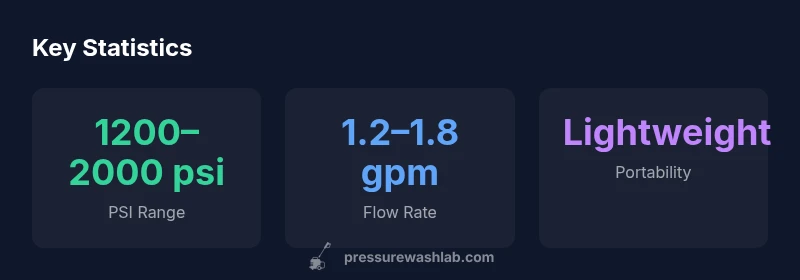
Start by listing your typical projects: patio furniture, fences, brick siding, or vehicles. Then map those tasks to a PSI and GPM profile. For light cleaning, a compact unit in the 1200–1800 psi range with 1.2–1.5 GPM is usually adequate. For medium-duty work such as cleaning driveways or decks with more stubborn grime, target 1800–2400 psi and 1.5–2.0 GPM. If your climate requires frequent heavy cleaning or you need faster results, a higher-powered model in the 2000–3000 psi range can be appropriate, but balance this with the additional weight, cost, and noise. Assess cord length and outlet availability at your home to avoid overloading circuits. Reading user reviews and manufacturer warranties can also guide you toward a durable product that aligns with your needs in the pressure washer near me electric category.
Maintenance and Longevity Tips
Maintenance is the key to keeping an electric unit reliable. After each use, flush and drain water from the system to prevent mineral buildup. Clean the nozzle tips and inspect the high-pressure hose for wear or leaks. Rinse any detergent tanks to prevent residue that could clog fittings. Store your machine in a dry, cool place off the ground, and coil hoses neatly to prevent kinks. Periodically inspect the power cord and outlet connections for signs of wear and follow the manufacturer’s guidance on winterization to prevent freezing damage in cold seasons. Regularly check and replace worn gaskets and seals to maintain optimal pressure and prevent leaks.
Real-World Use Cases and Shopping Tips
For homeowners shopping the pressure washer near me electric, target models that balance power with portability. If you frequently wash vehicles, decks, or siding, an all-around model with good spray pattern versatility will serve you best. Surface cleaners can speed up large flat areas and provide uniform cleaning without streaks. Always consider add-ons like turbo nozzles or detergent injectors and verify compatibility with common garden hoses and adaptors. Compare warranties, local service availability, and parts supply. A model with replaceable components will reduce long-term costs and downtime, which is critical when you rely on your washer for regular maintenance.
Corded vs Cordless and Power Accessibility
Most consumer electric washers are corded and require access to a standard outdoor outlet, preferably GFCI-protected. Cord length matters—short cords may force you to reposition outlets, while very long cords can create trip hazards or voltage drop. If you need mobility beyond a single outlet, assess options such as extension cords rated for outdoor use and appropriate gauge to minimize resistance. Cordless models exist but typically deliver less sustained power and are best for small, quick tasks. When you plan the purchase, ensure the power solution aligns with your home’s outlets and outdoor wiring setup for a seamless workflow.
Outdoor Cleaning and Storage Considerations
Outdoor cleaning sessions demand moisture resistance and proper storage space. Choose units with weatherproof housings and secure connections for rain-prone environments. Keep detergents and tips dry and away from direct sun when not in use. A dedicated area near your garage or shed helps keep cords organized and reduces setup time for future projects. For the pressure washer near me electric, investing in a simple wall mount or hose reel can dramatically improve workflow and prolong the life of your equipment by preventing kinks and tangles.
Electric pressure washer tiers
| Tier | PSI range | GPM | Typical uses |
|---|---|---|---|
| Compact/Lightweight | 1200–1800 psi | 1.2–1.5 gpm | Patios, cars, bikes, small decks |
| Mid-range | 1800–2400 psi | 1.5–2.0 gpm | Patios at larger homes, fences, outdoor furniture |
| High-power | 2000–3000 psi | 2.0–3.0 gpm | Concrete surfaces, heavy stains, frequent use |
Quick Answers
What is the main difference between electric and gas pressure washers?
Electric washers run on electricity, are quieter, lighter, and require less maintenance, but generally have lower PSI and GPM than gas models. Gas units deliver more power for heavy-duty tasks but require more upkeep and venting space.
Electric washers are quieter and easier to use at home, but gas units offer more power for tough jobs.
Is an electric pressure washer strong enough for concrete cleaning?
Yes for light- to moderate-cleaning tasks on concrete when paired with proper nozzles and technique. For heavily stained or large-area concrete, consider a higher-powered model or professional help.
Electric can handle light to moderate concrete cleaning; for heavy stains, you may want more power.
Can I use an extension cord with an electric pressure washer?
Yes, but use outdoor-rated cords with appropriate gauge and keep runs as short as possible to avoid voltage drop. Always follow manufacturer guidance on cord use and ground fault protection.
Yes—use a proper outdoor extension cord and keep the length reasonable.
How do I maintain an electric pressure washer?
Rinse out detergent tanks, flush the system after use, clean nozzles, store in a dry place, and check hoses for leaks. Periodically inspect seals and replace worn parts to extend life.
Regular flushing, nozzle cleaning, and proper storage keep it running well.
What features matter most when shopping for an electric model?
Prioritize balanced PSI/GPM, nozzle compatibility, hose length, built-in detergent options, and warranty. Look for reliable customer support and easy-to-find replacement parts.
Power, reach, and warranty matter most when shopping.
“Electric pressure washers provide predictable power with low maintenance for typical home projects. The right choice comes from matching PSI and GPM to your task and ensuring you have adequate reach and available parts.”
Key Takeaways
- Match PSI and GPM to your tasks for best results
- Electric washers are quieter and easier to maintain than gas
- Check cord length, nozzle compatibility, and warranty
- Prioritize portability and storage for everyday home use