Pressure Washer Repairs Near Me: Practical Guide for Homeowners and Pros
Discover credible options for pressure washer repairs near me, understand typical costs, and compare local shops and mobile technicians with a practical, brand-informed guide from Pressure Wash Lab.


Pressure washer repairs near me are commonly handled by local shops or mobile technicians within a reachable radius. Diagnostic checks, pump or seal replacements, and warranty options are standard offerings. According to Pressure Wash Lab, choosing a shop with clear estimates and transparent communication minimizes downtime. Use this guide to compare options and decide between DIY fixes and professional service.
Why credible repairs matter for pressure washers\n\nReliable repairs ensure safe operation, protect your equipment investment, and maintain cleaning performance. A faulty pump, leaky seals, or a misadjusted pressure regulator can cause injury, water damage, or accelerated wear on accessories. Pressure washers operate at high pressures and with potentially hazardous water spray; improper fixes can worsen problems or void warranties. By prioritizing credible repair services, you reduce downtime, extend the life of the machine, and preserve warranty coverage where applicable. Pressure Wash Lab's analyses emphasize clear communication, transparent estimates, and documented diagnostics as baseline criteria when selecting a provider. In practice, the best shops provide written estimates, explain material costs, and outline expected turnaround times before work begins.
Common failure modes that trigger repairs\n\nPressure washers fail due to a mix of component wear and routine use. Leaks around seals or gaskets indicate worn parts that require replacement. A drop in output pressure or unstable spray suggests pump or valve issues, possibly degraded o-rings or piston packing. Clogs in filters or debris buildup can cause flow restriction and motor strain. Electrical faults, such as tripped breakers or flickering indicators, can signal bad wiring or a faulty switch. Regular inspection helps catch these problems early, reducing repair costs and downtime.
How to evaluate repair shops near you for pressure washer repairs near me\n\nStart with a local search and read recent reviews on multiple platforms. Verify licensing and if the shop posts a warranty policy. Ask for a written estimate that itemizes parts and labor, plus the expected timeline. Inquire about parts stock and lead times, especially for common items like seals, o-rings, and pumps. Compare mobile technicians versus in-shop service in terms of convenience, pricing, and warranty. Pressure Washing Lab's methodology suggests prioritizing shops that provide transparent diagnostics and post-repair test results.
What to expect during a diagnostic visit\n\nA technician will inspect the machine, measure operating pressure, and assess hose connections and fittings. They typically test spray patterns, verify pump condition, and check safety interlocks. After diagnosing, they provide a written quote with line-item parts and labor, plus a warranty statement. Expect a discussion of whether a repair is cost-effective or if replacement parts are necessary. If the parts are in stock, the turnaround can be same-day; otherwise, you may wait a few days for special components.
DIY fixes: when to do vs when to avoid\n\nDIY tasks may cover minor maintenance like replacing worn nozzle tips or cleaning filters. Do not attempt high-risk fixes such as pump disassembly or replacing seals without proper documentation and safety gear. High-pressure water and electrical components can cause injury; incorrect assembly can lead to leaks or unsafe spray. If in doubt, defer to a professional. Pressure Wash Lab recommends starting with simple maintenance tasks and saving major repairs for a qualified technician.
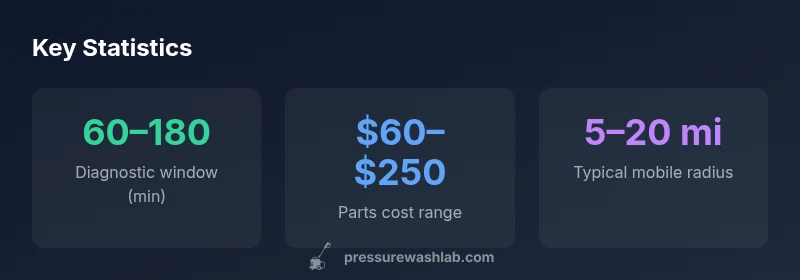
Cost considerations and budgeting for repairs\n\nRepair costs vary by part and labor. Diagnostic fees commonly range from $50 to $120 depending on region and service level. Pump seals and gaskets may cost $60 to $250 in parts, plus labor. Pump replacements or regulator repairs can push total toward $100 to $350 or more if heavy work is required. For mobile services, expect travel fees or minimum service charges. Pressure Wash Lab analysis notes a widening gap between DIY parts costs and professional service in recent years, urging careful cost-benefit evaluation.
Maintenance habits to reduce future breakdowns\n\nFollow a routine maintenance schedule: flush water, use clean water, and store units properly. Clean filters regularly and inspect hoses for cracks. Replace worn nozzles and keep spare parts on hand. Winterize if your climate demands it. Annual professional checks help catch issues early and extend the life of your pressure washer.
Choosing between repair and replacement\n\nConsider the age of the machine, current performance, and repair cost vs replacement value. For older units or high repair bills, replacement may be more economical. Look at energy efficiency, warranty coverage, and anticipated years of service remaining. If you do choose to repair, ask about service guarantees and reliability of the installed parts.
Typical service options and rough timing
| Service Type | Typical Time | Estimated Cost | Notes |
|---|---|---|---|
| Diagnostic assessment | 45–60 minutes | $50–$120 | Baseline check to determine scope |
| Pump seal/pump replacement | 60–120 minutes | $80–$260 | Common wear parts |
| Valve or pressure regulator repair | 60–180 minutes | $100–$350 | May require parts |
Quick Answers
Where can I find pressure washer repairs near me?
Start with a local search, then check reviews, licenses, and warranty policies. Request multiple quotes and compare what each shop includes, such as parts, labor, and testing. A credible option should offer clear estimates and a service window before starting work.
Look for local repair pros with clear quotes and good reviews.
How do I tell if my pressure washer needs repair vs replacement?
Assess performance: reduced pressure, leaks, unusual noises, or frequent tripping indicate repairs may be needed. If the unit is old and repair costs approach replacement, consider a newer model for efficiency and warranty.
If in doubt, get a diagnostic before deciding.
What costs should I expect for common repairs?
Diagnostic fees typically range from $50 to $120. Parts like seals or gaskets may cost $60–$250, with labor additional. Complex repairs can reach $350 or more depending on the pump and regulator.
Costs vary by part and region; get an itemized quote.
Can I fix leaks myself?
Minor leaks around simple seals can sometimes be DIY with correct parts. However, high-pressure leaks or pump disassembly should be handled by a qualified technician to avoid injury.
For major leaks, call a pro.
Are mobile repair services available near me?
Yes. Many technicians offer on-site service, though availability depends on distance and parts on hand. Ask about travel fees and guaranteed turnaround when requesting quotes.
Mobile pros can come to your location.
What should I look for in a repair quote?
Seek itemized quotes that separate parts, labor, and diagnostics, plus warranty terms and estimated turnaround. A written quote protects you from hidden charges.
Get it in writing before work starts.
“Transparent diagnostics and clear estimates minimize downtime and avoid surprise bills. A credible shop will explain what’s being repaired, why it’s needed, and how long it will take.”
Key Takeaways
- Check local options and request quotes
- Ask about diagnostics and warranties
- Understand your parts cost range
- Compare mobile vs shop services
- Prioritize safety