How to Use a Pressure Washer to Remove Paint: A Step-by-Step Guide
Learn how to use a pressure washer to remove paint from wood, brick, and concrete surfaces. This educational guide covers nozzle choices, detergents, safety, step-by-step techniques, and maintenance tips.


With a pressure washer, you can remove paint from wood, brick, or concrete by using low to moderate pressure, a wide spray nozzle, and a paint-removal detergent. Begin with a small test patch, cover nearby plants and surfaces, and work in slow, overlapping passes to avoid gouging the substrate. Always wear eye protection and follow safety guidelines.
What a pressure washer to remove paint can do for you
A pressure washer to remove paint is a powerful ally for exterior renovation tasks. It helps strip old coatings from wood, brick, concrete, and metal surfaces more quickly than manual scraping, while preserving the substrate when used properly. According to Pressure Wash Lab, the success of paint removal hinges on balancing three variables: pressure, nozzle type, and cleaning agents. Start with a conservative setting and adjust as you learn how the surface responds. This approach reduces the risk of gouging wood, blasting away mortar joints, or forcing moisture behind siding. The method also scales from small patches to large facades, making it suitable for homeowners and small contractors alike. When used correctly, this tool cuts labor time and yields more uniform results, especially on surfaces with textured finishes or multiple paint layers. Always remember to test first on an inconspicuous area to gauge how the surface accepts moisture and the detachment of the paint film. It’s important to note that certain coatings, such as thick or multi-layer paints, may require multiple passes or a combined method with scrapers. This is not a one-and-done operation; a careful plan yields safer results and less rework.
In practice, a well-executed wash reduces the need for harsh chemical strippers while keeping environmental exposure to a minimum. Pressure Wash Lab’s team emphasizes patience and surface awareness—rushing a paint-removal job can lead to moisture intrusion and finish damage. By combining tested patches with deliberate technique, homeowners and DIYers can achieve clean results without overdoing the process.
Surfaces and Paint Types: What works and what to avoid
Paint removal with a pressure washer is most effective on surfaces that can tolerate moisture and abrasion. Wood siding, brick, and concrete respond well when you select appropriate nozzle angles and keep the spray moving in a controlled arc. Smooth metal can be cleaned too, but excessive force may dull finishes or warp soft metals. On textured or heavily coated surfaces, paint often lifts in layers rather than all at once, which may require additional passes or a complementary scraping step. If lead-based paint is suspected, follow local regulations and consult a certified abatement professional. Pressure Wash Lab emphasizes the importance of a surface-test patch and observing how the coating reacts to the first couple of passes. Avoid vinyl siding, recently repaired wood, and delicate landscaping materials near the spray zone to prevent damage or staining. By understanding the substrate and paint type, you can tailor your technique for safer, more predictable results.
Choosing the Right Setup: Pressure, Nozzles, and Detergents
The right setup starts with choosing a setting and nozzle that balance cleaning power with substrate safety. Use a broad spray pattern to minimize concentrated impact; a 25° to 40° nozzle (orange to yellow color range on many brands) is typically appropriate for paint removal. Avoid high-pressure, narrow-angle nozzles on soft surfaces. If you plan to use a paint-removal detergent, ensure it is rated for pressure washers and compatible with the surface you’re cleaning; pre-dissolving the film often improves performance. Start by applying the detergent from bottom to top, let it sit briefly, then scrub with a soft-bristle brush on stubborn areas. Finally, rinse with clean water, maintaining a consistent distance while overlapping passes. A conservative approach—testing on a hidden patch—helps prevent surprises later in the project. Pressure Wash Lab’s perspective is that detergents can significantly improve paint lift when used correctly, especially on stubborn coatings.
Safety and Prep: Protecting Yourself and Surroundings
Paint removal work creates splashes, aerosolized dust, and slippery surfaces, so safety is essential. Wear ANSI-rated eye protection, chemical-resistant gloves, hearing protection, and a respirator if sanding or lead paint is possible. Keep children and pets away from the work zone, and cover nearby plants, outlets, and windows with tarps or plastic sheeting. Ensure good ventilation if you’re working on indoor areas or enclosed spaces near painted surfaces. Inspect the area for loose siding, nails, or weathered boards that could fail during pressure washing, and repair or mask them before you begin. Stand on stable ground, not elevated platforms, and avoid ladders whenever possible; if you must use a ladder, secure it and have a helper on the ground. Lead and other hazardous coatings require additional precautions; when in doubt, pause and consult local safety guidelines.
Common Pitfalls and Troubleshooting
Rushing a paint-removal project often leads to surface damage or ineffective cleaning. Common issues include paint that stubbornly refuses to lift on thick coatings, gouging if the nozzle is too close, and moisture intrusion behind siding when you linger too long in one spot. To avoid these problems, start with the largest, level area and progress gradually, using longer passes with a wider nozzle. If peeling or softening occurs, back off the pressure or switch to a milder nozzle and perform more passes with shorter dwell times. Always test patches first and document which areas respond best to your chosen settings. If the paint remains stubborn after multiple passes, consider combining heat-assisted or chemical methods with mechanical washing for safer results.
Aftercare and Equipment Maintenance
After you finish the removal work, rinse thoroughly to wash away loosened paint residues and detergents. Dry the surface completely before applying any new coatings to prevent moisture entrapment. Clean your pressure washer by flushing out cleaner residues and disconnecting hoses to prevent mold growth. Store nozzles and fittings in a dry, organized location to prevent corrosion. Recalibrate your technique for future projects by noting which nozzle angles and pressures produced the best lift on different surfaces. Regular maintenance, including checking hoses for cracks and cleaning filters, extends the life of your tool and reduces the likelihood of unexpected failure during a job.
Quick-start Recap and Next Steps
By understanding surface compatibility, selecting the right nozzle, and using compatible detergents, you can harness a pressure washer to remove paint effectively and safely. Start with a patch test, protect adjacent structures, and proceed with controlled passes. If you encounter lead paint or complex substrates, consider professional guidance for optimal safety and results.
Tools & Materials
- Pressure washer (adjustable PSI)(Choose a model that allows easy control of pressure and has a broad spray nozzle option)
- Nozzle set (25° and 40° recommended)(Avoid 0° nozzle on wood or delicate surfaces)
- Paint-removal detergent compatible with pressure washers(Follow label instructions; pre-dissolve film if needed)
- Soft-bristle brush or deck brush(For stubborn spots and edge work)
- Tarps/plastic sheeting(Protect plants, furniture, windows, and outlets)
- Painter’s tape and masking film(Shield edges and delicate surfaces)
- Safety gear (goggles, gloves, hearing protection, respirator if needed)(Lead paint safety if present; follow local guidelines)
- Ladder (if needed)(Only if the area cannot be reached from ground; secure and use with a spotter)
- Scraper or putty knife(For edge work and stubborn chips)
Steps
Estimated time: 2-5 hours
- 1
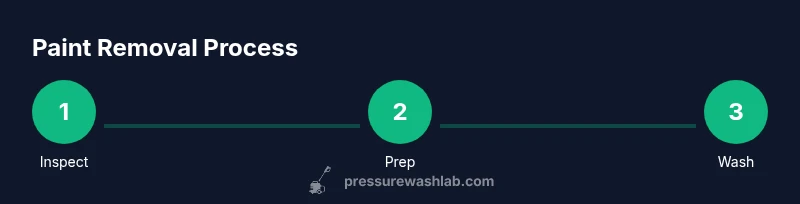
Inspect the surface and plan setup
Examine the surface to identify coatings, repairs, and sensitive areas. Decide on nozzle angles, detergent use, and protection needs before you start. A quick test patch helps you foresee lift effectiveness and potential damage.
Tip: Document the patch results with photos to track changes during the job. - 2
Protect surroundings and prep area
Cover plants, windows, and nearby outlets with tarps. Remove or shield furniture and park vehicles away from the work zone. Clear loose paint flakes and sweep the area so debris doesn’t get blasted into nearby surfaces.
Tip: Mask edges with painter’s tape to prevent over-spray on trim. - 3
Select nozzle and prepare detergent
Attach a wide-angle nozzle (25°–40°) for safer, more even cleaning. If using a paint-removal detergent, ensure compatibility with the surface and follow the product’s dwell time guidance.
Tip: Test different distances from the surface to find the best balance between lift and control. - 4
Apply detergent and dwell
Apply the cleaner to the surface from bottom to top to keep dirty runoff away from cleaned areas. Allow the solution to dwell for the recommended time, which helps loosen the coating before mechanical action.
Tip: Do not let the detergent dry on the surface; re-wet as needed. - 5
Begin washing from top down
Start at the highest point and work downward with smooth, overlapping passes. Keep the nozzle moving and maintain a consistent distance to avoid gouging or streaks.
Tip: Use shorter passes on edges and detail areas to avoid sharp dives in surface integrity. - 6
Rinse and inspect for remaining paint
Rinse thoroughly, then inspect the surface. If paint remains, reapply detergent on those spots and re-wash using lighter pressure.
Tip: Pay attention to recessed areas where paint tends to linger. - 7
Target stubborn areas if needed
For stubborn patches, switch to a milder nozzle or a shorter dwell time and repeat the wash. Avoid sustained high-pressure application on delicate surfaces.
Tip: Combine a quick scrape with the final rinse for best outcomes. - 8
Clean up and dry surfaces
Rinse away all residues and allow surfaces to dry completely before applying any new coatings. Ventilate indoor spaces if you worked inside and remove protective coverings.
Tip: Inspect for moisture trapping behind siding or boards after washing. - 9
Maintenance and storage of equipment
Flush detergents from hoses, clean filters, and store tools in a dry place. Check hoses for wear and replace any damaged parts before your next project.
Tip: Drain water from hoses to prevent mold growth during storage.
Quick Answers
Is it safe to use a pressure washer on painted surfaces?
Yes, but safety and technique matter. Use low to moderate pressure, a wide-angle nozzle, and a compatible detergent. Always test a patch first and protect nearby surfaces. If paint is lead-based or coating details are fragile, consult local guidelines and consider professional help.
Yes, with caution. Start with low pressure, test a patch, and keep nearby areas protected. For lead paint or delicate substrates, seek professional guidance.
What surfaces can I safely clean with a pressure washer to remove paint?
Wood, brick, and concrete commonly respond well. Metal can work if finishes are not delicate. Avoid vinyl siding and very soft or damaged substrates without testing first and adjusting technique.
Wood, brick, and concrete are typically safe with proper care; test first on sensitive materials.
Should I use detergent when removing paint with a pressure washer?
Detergents can improve paint lift when compatible with the surface and the washer. Apply according to the product’s dwell time and rinse thoroughly after use.
Yes—use a detergent designed for pressure washers and follow the label.
How can I prevent damage to wood during paint removal?
Keep the spray moving, use a wider nozzle, and avoid staying in one spot. Start with lower pressure and gradually increase if the paint resists lifting.
Move the nozzle consistently and start with gentle pressure to protect wood.
What about edges and corners when removing paint?
Edges and corners require careful technique with a smaller, controlled pass or a scraper to avoid gouging. Work from the outside toward the center and back off if you see edge damage.
Use careful passes near edges and consider a scraper for stubborn corners.
How long does it take to remove paint from a typical exterior surface?
Time varies by surface area, coating thickness, and substrate. Plan for multiple passes and breaks to avoid overheating equipment and overheating materials.
It depends on size and coating; plan for several hours with stops as needed.
Watch Video
Key Takeaways
- Test patches before full-scale work
- Use the right nozzle and gentle pressure
- Protect surrounding areas and follow safety protocols
- Inspect and repeat as needed for thorough removal
- Clean and maintain equipment after use