Pressure Washer to Clean Concrete: The Practical Guide
Learn how to clean concrete effectively with a pressure washer. This practical guide covers equipment, detergents, safety, and step-by-step techniques for driveways, sidewalks, and patios.


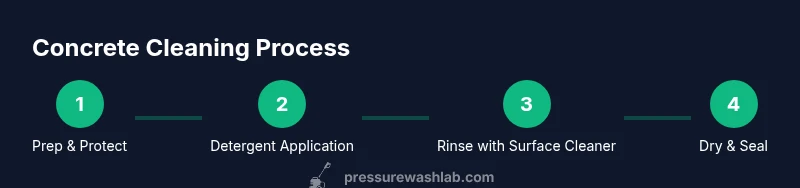
You can effectively clean concrete with a pressure washer by selecting the right nozzle and safety settings, applying detergent, and using a surface cleaner for large areas. Start with low PSI, test a small patch, and adjust to remove dirt and stains without damaging the surface. Consider using eco-friendly detergents and protect nearby plants. Always wear eye protection and avoid electrical outlets.
Why cleaning concrete matters
A clean concrete surface does more than just look better; it improves safety by reducing slip hazards and slows the deterioration caused by embedded dirt, algae, oil, and rust stains. For homeowners and DIY enthusiasts, a well-executed wash can restore color and texture without resorting to harsh chemicals. According to Pressure Wash Lab, choosing the right nozzle and safe working practices are essential to avoid etching, streaks, or surface damage. Begin with a plan: identify areas with oil stains, mildew, gum, and biological growth. Use a surface cleaner for expansive slabs, and reserve precision nozzles for edges and corners. Beyond aesthetics, a properly cleaned surface resists weed growth and reduces harboring bacteria in shaded areas. When water and detergent work together, grime lifts more efficiently than scrubbing by hand. Always test a small, inconspicuous patch first to confirm surface reaction or colorfastness, then protect surrounding features with masking and plan your cleaning path.
Assessing your concrete surface
Concrete varies widely in porosity, density, and finish. New, sealed, or dyed concrete behaves differently from old, bare slabs. Before starting, walk the area and inspect for soft spots, cracks, and chewing gum, as these require different approaches. Pressure Wash Lab analysis shows that adsorption and staining resistance depend on the surface’s porosity and existing coatings. If the surface has a glossy sealer, you may need longer dwell times or a gentler approach to avoid lifting the coating. Note efflorescence or mineral deposits near expansions joints; these may require pre-wetting and a targeted approach. Consider whether you’ll be cleaning a driveway, a sidewalk, or a patio, as each area benefits from tailored tools, speeds, and passes. Environmental considerations, such as runoff, should guide your workflow to minimize impact on plants and water bodies.
Equipment basics: choosing a pressure washer, nozzles, and attachments
A successful concrete wash begins with the right equipment. A pressure washer with adjustable pressure, cold or hot water capability, and a reliable spray trigger is essential. Attach a surface cleaner for large, flat surfaces to reduce streaks and improve consistency. Use a rotary or turbo nozzle only for stubborn sections when you’re sure the surface can tolerate concentrated spray. Detergents formulated for concrete help lift oil, algae, and dirt; apply with a sprayer or brush before rinsing. An extension wand can improve reach for edges and corners, while a stiff-bristle brush assists in pre-scrubbing tough spots. Don’t overlook PPE—eye protection, gloves, and sturdy footwear—plus a stable water source and a plan for waste water containment. Pressure tests on a small patch prevent unintended damage, and always follow the manufacturer’s guidelines for each attachment.
Detergents, pre-wetting, and prep work
Pre-wetting the concrete lowers suction and prevents detergent from soaking in too quickly, which helps prevent uneven cleaning. Choose a cleaner specifically designed for concrete; avoid household bleach or acidic cleaners that can damage the surface or surrounding plants. Dilute detergents according to the label, apply evenly, and allow a brief dwell time so the solution penetrates contaminants. While the cleaner works on the surface, clear nearby areas of pet and plant-life to prevent accidental exposure. If you encounter oil stains, consider a degreaser or specialized solvent targeted at hydrocarbon residues. After pre-application, use a stiff brush to loosen embedded grime in stubborn zones, then proceed with rinsing using a surface cleaner for consistency and efficiency.
Cleaning strategies for different concrete scenarios
Driveways, sidewalks, and patios each present unique challenges. For broad, flat surfaces, start with a surface cleaner or wide fan nozzle to maintain uniform distance and speed, reducing streaks. For oil stains, pre-treat and follow with a more targeted pass using a lower angle to avoid dispersing the oil; for stubborn rust, a light touch with a dedicated rust remover may be necessary under the cleaner’s instructions. Algae and mildew respond well to pre-wetting and a thorough rinse—keep the nozzle moving to prevent gouging soft spots. Remember to work from the outer edges toward the center to minimize recontamination and to rinse away debris frequently. If discoloration remains after a thorough wash, you may need to repeat the process or consider a specialized stain remover.
Safety, operation tips, and common mistakes
Operating a pressure washer around concrete requires vigilance. Always wear PPE, maintain a safe distance from the surface, and keep the nozzle in motion to avoid etching or gouging. Never direct high-pressure spray at people, electrical outlets, or fragile landscaping. Start at a low setting and gradually increase only as needed. Common mistakes include using brute force on edges, skipping pre-wetting, and allowing detergent to dry on the surface. If you encounter difficult stains, pause, reapply detergent, and rewash with a slightly different angle or nozzle. Keep the unit on a stable surface or cart and never operate a gas-powered machine indoors or in enclosed spaces without proper ventilation. Regular maintenance of the pressure washer itself—filter checks, hose integrity, and nozzle condition—extends its life and ensures consistent performance.
Post-cleaning care: sealing, maintenance, and long-term results
After cleaning, allow the surface to dry thoroughly before applying any sealant or coat. Sealing concrete can enhance stain resistance and color depth, protect against future oil or mildew penetration, and simplify future cleaning. Choose a sealer compatible with your concrete finish—whether it is smooth, broomed, or stamped—and follow the manufacturer's curing times. For ongoing maintenance, establish a seasonal cleaning routine and promptly address new stains. If you notice mold or efflorescence returning, reassess drainage, soil contact, and any organic growth sources nearby. Pressure Washing Lab emphasizes consistent maintenance and appropriate sealing as keys to durable results. Finally, document surface condition and cleaning outcomes to track improvements over time and inform future care decisions.
Authority and safety reminders
This guide references best practices from professional sources and safety standards. For further reading and safety guidelines, see reputable external references such as OSHA and EPA guidelines, plus university extension resources on exterior cleaning and maintenance. These sources support safe operation, environmental stewardship, and long-term durability of concrete surfaces.
Tools & Materials
- Pressure washer (gas or electric) with adjustable pressure(Choose a model with reliable shutdown and variable PSI; start low when testing on concrete.)
- Surface cleaner attachment(Ideal for large flat surfaces to reduce streaks and uneven cleaning.)
- Detergent/cleaning solution formulated for concrete(Use eco-friendly or concrete-safe cleaners. Dilute as directed.)
- Nozzle tips (0°, 15°, 25°) or adjustable fan nozzle(Use wider spray for flat surfaces; avoid high-pressure, narrow nozzles on fragile areas.)
- Extension wand(Helps reach edges and corners without bending.)
- Stiff-bristle deck brush(Pre-scrub particularly stubborn spots before rinsing.)
- Personal protective equipment (eye protection, gloves, closed-toe shoes)(Eye protection is essential; sturdy footwear prevents slips.)
- Hose and water source(Ensure a steady water supply; clean water preferred.)
- Plastic sheeting or drop cloths (optional)(Protect nearby plants, outlets, and decorative features.)
- Masking tape or painter's tape (optional)(Seal edges or outlets if needed to prevent splash.)
- Spray bottle or degreaser sprayer (optional)(Pre-treat tough stains like oil with targeted cleaner before washing.)
Steps
Estimated time: Total time: 60-120 minutes depending on area size and staining
- 1
Inspect and plan
Walk the area to identify stains and sensitive zones. Decide which sections will use a surface cleaner and which edges require manual attention. Map a cleaning path that minimizes rework and avoids splashing plants or outlets.
Tip: Test a small patch on a discreet area to confirm surface reaction. - 2
Protect and prepare
Move outdoor furniture, cover plants, and ensure power sources are away from water. Wear PPE and ensure an uncontaminated water supply. Pre-wet the surface to reduce detergent absorption and prevent spotting.
Tip: Keep the nozzle moving and avoid lingering on any single spot. - 3
Apply detergent
Dilute and apply concrete-specific cleaner evenly over the surface. Allow a short dwell time for deep stains, but do not let the cleaner dry. Use a sprayer or brush to promote even coverage.
Tip: Avoid applying cleaner to freshly sealed or freshly painted areas without checking compatibility. - 4
Rinse with surface cleaner
Switch to a surface cleaner for large areas and maintain a consistent distance. Overlap passes to prevent streaks. Move systematically from the outer edges toward the center.
Tip: If staining remains, increase distance slightly or switch to a wider nozzle cautiously. - 5
Target stubborn stains
For oil or rust, pre-treat with a degreaser and allow to dwell before reapplying. Use a narrow nozzle or edge nozzle for tight spots and a brush to lift residue.
Tip: Avoid scrubbing too aggressively; this can damage the surface or drive contaminants deeper. - 6
Rinse and evaluate
Rinse the entire area again and inspect for remaining stains. Repeat targeted passes if needed, ensuring complete removal of cleaner residue.
Tip: Check shadows and joints where dirt hides and revisit as needed. - 7
Dry and consider sealing
Allow the surface to dry fully before sealing. If you plan to seal, choose a product compatible with your concrete finish and follow curing instructions. Document the process for future reference.
Tip: Seal when weather is dry and temperatures are moderate to ensure even curing.
Quick Answers
Can I use a pressure washer on all concrete surfaces?
Most concrete surfaces can be cleaned with a pressure washer, but test a small area first and avoid sealed or polished surfaces that may be damaged. Consider surface type and age when choosing pressures and attachments.
Most concrete surfaces can be cleaned with a pressure washer, but always test first and avoid sealed or polished areas.
What detergent should I use for concrete cleaning?
Use detergents designed for concrete or exterior cleaning. Avoid household bleach or acidic cleaners that can harm the surface and nearby plants. Follow label instructions for dilution and safety.
Use concrete-safe cleaners and follow label instructions for safe use.
Is it safe to use a pressure washer indoors?
Pressure washing indoors is generally unsafe due to water and electrical hazards unless you have a properly ventilated, designed setup. For interior concrete, professional methods or alternative cleaners are recommended.
No, indoor use is risky unless you have a specialized setup; consider alternatives.
What is the best nozzle for concrete cleaning?
Use broader spray nozzles such as a wide-angle or surface cleaner for large areas. Narrow, high-pressure nozzles can etch or damage concrete, especially on old or fragile surfaces.
A wide-angle nozzle or surface cleaner is best for concrete to avoid damage.
How long does cleaning take on a typical driveway?
Time varies with area size, staining, and surface condition. Plan for a multi-section approach and factor in pre-treatment and post-cleaning steps.
It depends on area size and staining, but plan for a multi-step process.
Should I pre-treat oil stains?
Yes. Pre-treat oil stains with a degreaser suited for concrete before washing, then rinse thoroughly to prevent spread.
Yes, pre-treat oil stains before washing for better results.
Do I need to seal concrete after washing?
Sealing after cleaning helps protect against future staining and makes future cleanings easier. Ensure the surface is completely dry before sealing and choose a compatible sealer.
Sealing afterward helps protect and simplify future cleaning.
What safety precautions are essential?
Wear eye protection and sturdy footwear, keep the nozzle moving, and avoid spraying electrical fixtures or plants. Work with a partner when possible and never spray at people.
Wear protection, keep the nozzle moving, avoid electricity and people.
Watch Video
Key Takeaways
- Plan before you wash to protect surfaces and surroundings.
- Use the right attachments to improve efficiency and reduce damage.
- Test a patch, start with low pressure, and adjust gradually.
- Detach stains with targeted cleaners and proper dwell times.
- Seal after cleaning for long-term durability.