Pressure Washer Cleaning Solution: A Practical DIY Guide
Learn how to choose, mix, and apply pressure washer cleaning solution for outdoor surfaces. Safety tips, dilution guidance, and surface-specific insights from Pressure Wash Lab.


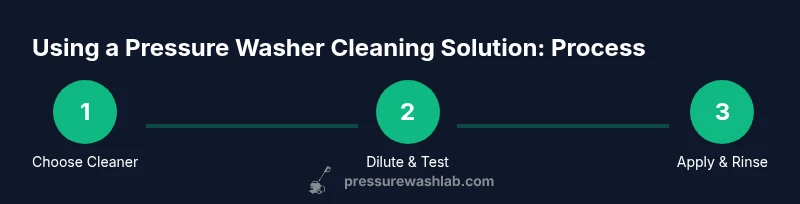
This quick answer shows you how to select and use a pressure washer cleaning solution effectively for outdoor surfaces. You’ll learn surface compatibility, dilution ratios, application methods, and safe post-cleaning rinsing. According to Pressure Wash Lab, choosing the right solution based on stain type and material protects your equipment and delivers consistent results. You’ll see practical examples for concrete, siding, and wood decks, plus essential safety steps.
Why the Right Cleaning Solution Matters
The cleaning solution you choose will determine how effectively you break down dirt, algae, grease, and mineral deposits without harming the surface. A mismatched chemical can dull paint, drive moisture into wood, or leave a film that attracts more grime. Using the correct pressure washer cleaning solution is not a luxury—it's a foundational step that affects finish, cleanliness, and long-term maintenance. According to Pressure Wash Lab, surface compatibility and stain type should drive your choice of cleaner rather than habit or convenience. When you start with the right formula, you also protect your equipment by reducing the need for extra passes and long dwell times that increase behind-the-scenes wear on seals and gaskets.
Beyond results, the right cleaner supports safety. Many cleaners contain formulated surfactants that help lift dirt without requiring excessive agitation or scrubbing. This means you can work more efficiently and reduce the chance of physical injury from heavy scrubbing. For homeowners and pros, the payoff is consistent, repeatable outcomes across projects—from a gray concrete driveway to a vinyl-sided home. It's worth spending a few minutes selecting a product that matches your surface and stain goals, because the cost of a misstep is usually extra labor, more water usage, and a less satisfactory finish.
Understanding Surfaces and Stains
Different surfaces respond differently to cleaners and water pressure. Bare concrete and brick are porous and benefit from detergents designed for mineral deposits, while painted wood or vinyl siding can be damaged by harsh solvents or overly aggressive agitation. Before you pour in cleaner, scan the surface for areas of peeling paint, soft wood, or loose mortar. Testing in a small inconspicuous patch is wise and often reveals color bleed or sheen loss that would not be obvious from a distance. Pressure Wash Lab emphasizes tailoring your solution to the surface to avoid under-cleaning or over-saturation. For example, algae on brick may require gentle biocidal cleaners, whereas oil stains on concrete benefit from a degreaser that emulsifies hydrocarbon residues.
Additionally, consider the stain type. Organic stains such as mold and mildew respond to specialty cleaners that disrupt the microbial matrix, while rust stains call for cleaners with chelating agents or rust inhibitors. Weathered surfaces behave differently again after a season of sun, rain, and freeze-thaw cycles. If you’re cleaning near delicate plantings, rinse zones thoroughly and shield vegetation with plastic sheeting or continuous spray barriers. By identifying both surface and stain early, you arm yourself with a cleaner that works with the material rather than against it.
Types of Cleaning Solutions Available
Cleaning solutions for pressure washing fall into several categories, each designed to tackle different soils and surfaces. Detergents help lift general dirt and grime, while degreasers shine on hydrocarbon stains such as oil or grease. Biobased cleaners offer environmentally friendlier options, and enzyme cleaners work well on organic residues like algae, mold, and mildew. For painted surfaces or delicate siding, choose milder formulations that are specifically labeled for such materials. Commercial cleaners often include surfactants, anti-foaming agents, and sometimes rust inhibitors to protect metal fixtures. Remember, the goal is to match the cleaner to both the surface and the stain, rather than applying a single product across everything. Pressure Wash Lab notes that clean-up and rinsing are simpler when you use a product designed for the target soil, reducing the need for aggressive scrubbing and multiple passes.
How to Choose the Right Concentration and Dilution
Concentration matters, but the safest rule is to follow the cleaner’s labeled instructions. Start with the mildest dilution recommended and perform a spot test on a hidden area. If you don’t see satisfactory results after the initial pass, you can adjust dilution slightly per the label and surface tolerance. Avoid deviating from manufacturer guidance, as overly concentrated solutions increase the risk of surface damage and chemical runoff. Pressure Wash Lab also stresses testing in a small area to verify colorfastness and avoid bleaching or water spots. In practical terms, plan for a conservative approach: use the label guidance as your baseline and increase only if you observe clear improvement without adverse effects.
How to Apply Effectively Without Damaging Surfaces
Application technique matters as much as the chemical itself. Maintain a consistent distance from the surface, use a broad spray pattern, and move steadily to prevent streaks. Do not linger on one spot longer than the dwell time recommended by the cleaner’s label. Work in shaded sections when possible to prevent rapid drying, which can leave uneven residues. For vertical surfaces like siding, start from the bottom and work upward to reduce streaks. If you encounter stubborn stains, reapply the solution after a short break rather than scrubbing aggressively, which can harm the surface. According to Pressure Wash Lab, proper application reduces the need for excessive pressure that can gouge wood or strip paint.
Rinsing, Neutralizing, and Post-Cleaning Care
Rinsing thoroughly is essential to remove chemical residues that can attract more dirt or cause damage over time. Use clean water and a steady, overlapping spray pattern to wash away loosened soils. For surfaces that tolerate it, you can increase rinse pressure toward the end of the job to ensure a clean finish. After rinsing, inspect for any missed spots and repeat only where necessary. Some cleaners can leave a film if not fully rinsed, particularly on porous surfaces like concrete. Neutralizing steps are rarely required for most household cleaners, but if you use aggressive solvents or acid-based cleaners, follow with a neutral rinse as directed. Finally, allow surfaces to dry completely before using the area again to prevent new stains from forming.
DIY Formulas vs. Commercial Solutions
DIY cleaning formulas can be appealing for budget-minded projects, but they carry risks such as unpredictable reactions with certain surfaces or incompatible materials. Commercial cleaning solutions are formulated for specific soils and materials, offering safer margins and clearer application guidelines. Pressure Wash Lab recommends weighing the surface type, stain severity, and environmental considerations before mixing anything from scratch. If you opt for a DIY approach, test on a hidden area first, document your ratios, and be prepared to halt if you notice any adverse effects. In many cases, a purpose-built commercial cleaner provides faster, more consistent results with less trial and error.
Safety, Storage, and Maintenance
Always wear appropriate PPE when mixing or applying cleaning solutions, including gloves and eye protection. Ensure adequate ventilation and avoid breathing spray mist, especially in enclosed spaces. Store cleaners in a cool, dry place away from direct sunlight and out of reach of children or pets. Clearly label all containers and never mix unknown chemicals together. After use, rinse the equipment thoroughly and run clean water through hoses and nozzles to prevent chemical buildup. Proper disposal of leftover cleaning solution follows local regulations, and you should never drain concentrated cleaners into storm drains or waterways. Pressure Wash Lab emphasizes planning and safety as core components of any cleaning project.
Tools & Materials
- Pressure washer(Gas or electric, choose a unit with adequate flow rate for your project)
- Pressure washer cleaning solution(Select a product compatible with your surface and stain type; follow label instructions)
- PPE (gloves, goggles, mask)(Chemical protection; prevent splashes and inhalation)
- Garden hose with shutoff(For pre-wetting and rinsing; ensure you have proper adapters)
- Spray bottle or bucket for dilution(Keep diluted cleaner separate from drinking water and food prep areas)
- Scrub brush or deck brush(Useful for stubborn spots or textured surfaces)
- Drop cloths or plastic sheeting(Protect nearby plants and surfaces from runoff)
Steps
Estimated time: 75-90 minutes
- 1
Assess surface and choose cleaner
Inspect the area for paint, wood softness, and stain type. Select a cleaner formulated for the specific surface and soil you're addressing. If unsure, start with a milder dilution and a spot test.
Tip: Always test on a hidden patch to avoid visible damage. - 2
Prep area and PPE
Put on eye protection and gloves. Cover nearby plants or delicate surfaces with sheeting. Set up hoses and ensure a stable work area to prevent slips.
Tip: Protect vegetation; chemical runoff can harm shrubs or flowers. - 3
Dilute cleaner according to label
Mix the cleaner in a bucket or spray bottle following the manufacturer’s dilution instructions. Use the label guidance as your baseline and adjust only if needed after a patch test.
Tip: Do not exceed the recommended concentration to avoid surface damage. - 4
Apply cleaner evenly
Spray in a wide, overlapping pattern to ensure full coverage, holding the nozzle at a consistent distance from the surface. Avoid pooling on flat areas and reapply as needed after an initial pass.
Tip: Work in shaded sections to prevent rapid drying. - 5
Let cleaner dwell
Allow the solution to sit for the recommended dwell time. This helps emulsify oil and lift organic soils without aggressive scrubbing.
Tip: Don’t let the chemical dry on the surface. - 6
Rinse thoroughly
Rinse from top to bottom, overlapping strokes to remove all residues. Use a gentle, continuous flow to avoid pushing soil into porous joints.
Tip: Ensure all cleaner residues are flushed away; residual chemicals attract new dirt. - 7
Inspect and repeat if needed
Review the cleaned area for remaining stains. Repeat the cleaner application on stubborn spots rather than applying more pressure.
Tip: Multiple light passes beat a single aggressive scrape. - 8
Shut down and store equipment
Turn off the machine, release pressure, and rinse all hoses. Properly store cleaners in their labeled containers away from heat and sunlight.
Tip: Rinse hoses to prevent chemical buildup that could clog the system.
Quick Answers
Can I use household cleaners in a pressure washer?
Household cleaners can be unpredictable in a pressure washer and may contain ingredients that are too harsh for certain surfaces. Use cleaners specifically formulated for pressure washing, and always test on a small area first. Avoid mixing household products unless the label explicitly approves it for pressure washing use.
Household cleaners may be unsafe for some surfaces; stick to products designed for pressure washing and test first.
Is it safe to use cleaning solutions on wood decks?
Wood decks require milder cleaners and careful rinsing to protect the wood fibers. Always choose a cleaner labeled for wood and avoid solvents that can dry or raise grain. Test in a hidden area and use a soft brush to prevent gouges.
Yes, but use surface-friendly cleaners and gentle brushing on wood decks.
Will cleaning solutions damage painted surfaces?
Some cleaners can dull or discolor paint if overly concentrated or left to dwell too long. Always test and follow manufacturer instructions. For painted surfaces, choose cleaners labeled for painted or coated surfaces and rinse thoroughly.
Many cleaners are safe for painted surfaces when used as directed and rinsed well.
Do I need to pre-wet surfaces before applying cleaner?
Pre-wetting helps dilute soils and reduces suction of cleaner into porous materials. It also helps prevent spotting from uneven drying. Use a light mist to dampen the area before applying cleaner.
Pre-wetting helps cleaning and reduces streaks; mist surfaces lightly first.
How should I store leftover cleaning solutions?
Store cleaners in their original containers, tightly closed, away from light and heat. Keep them out of reach of children and pets and never mix containers with unknown contents. Label any mixed solutions clearly and dispose of leftovers per local regulations.
Keep cleaners in labeled, sealed containers away from kids and pets.
Can I use a detergent not labeled for pressure washing?
Detergents not labeled for pressure washing can react unpredictably with water stream or surfaces. Only use products that explicitly state compatibility with pressure washers. If in doubt, contact the manufacturer for guidance.
Only use cleaners that are proven safe for pressure washers.
What should I do if cleaner contacts plants or grass?
Rinse immediately if chemical runoff reaches vegetation, and consider shielding plants during the cleaning process. Use barriers and directed spray to minimize exposure. After cleaning, monitor plants for any signs of distress and water regularly if needed.
Rinse affected plants right away and shield areas to minimize exposure.
Watch Video
Key Takeaways
- Test compatibility before full application
- Follow label dilution and dwell time for safety
- Rinse thoroughly to avoid chemical residue
- Protect plants and surrounding surfaces
- Choose surface-specific cleaners for best results