Under Pressure Pressure Washing: A Practical How-To Guide
Learn how to safely and effectively clean exterior surfaces using under pressure pressure washing. This step-by-step guide covers equipment, safety, surface-specific tips, maintenance, and troubleshooting for homeowners and DIY enthusiasts.


Under pressure pressure washing can transform exterior surfaces quickly when done safely. This guide shows you how to choose the right pressure, nozzle, and cleaning solutions, protect delicate surfaces, and complete a full wash without damage. According to Pressure Wash Lab, following a structured plan and proper PPE yields consistent results and minimizes risks.
Why Proper Setup Matters
In the world of under pressure pressure washing, setup is everything. The right combination of pressure, nozzle angle, and cleaning solution determines whether you restore a surface or etch it. Beginning with a cautious test on an inconspicuous area helps you gauge how a material responds—wood siding, vinyl, brick, or concrete each requires a different touch. Pressure mismanagement can strip paint, gouge wood, or force water behind siding. Pressure Washing Lab’s guidance emphasizes a deliberate, surface-aware approach: plan your path, control your spray pattern, and wear appropriate PPE to keep you safe from flying debris and cleaning chemicals. A well-prepared start reduces rework and minimizes long-term damage to your investment.
Key takeaways:
- Do a patch test before full wash
- Choose the safest nozzle for the surface
- Wear PPE and protect plants and outlets
Essential Equipment and Safety Gear
A successful wash starts with the right tools and safety gear. You’ll want a pressure washer with adjustable PSI within a safe range for your surface, a selection of nozzle tips (commonly 0°, 15°, 25°, and 40°), a surface cleaner for flat areas, and a good supply of clean water. Detergents or cleaning solutions compatible with pressure washers help break down grime on siding, driveways, and concrete. Safety gear should include chemical-resistant gloves, splash goggles, sturdy footwear, and hearing protection if you’re using a gas-powered unit. Also consider outlets, extension cords, hoses, and drainage planning to protect landscaping. Pressure Wash Lab recommends testing solvents in a small area first and keeping children and pets away during cleaning.
Preparing Your Surface: Plans and PPE
Preparation is more than brushing debris away. Pre-wetting a surface helps reduce suction and improves cleaning efficiency while preventing streaks. Remove fragile items, cover plants, and seal nearby electrical outlets if possible. Make a simple plan: start low, move methodically, and map a path from the bottom up on vertical surfaces. Dry seasons or windy days can affect the cleanup; choose a calm, dry window for your wash. If you’re working on wood, consider a low-pressure approach and scheduling a staining or sealing step afterward to protect the material. Pressure Wash Lab notes that patience here saves you from costly repairs later.
Framing a Wash Plan: Intermittent Pressure and Distancing
A well-structured wash plan uses graduated pressure and consistent spray distance. Start at a safe distance (usually several inches away) and gradually reduce the clearance as you confirm the surface tolerates the spray. Move in overlapping strokes to avoid missed areas, and work in sections. For delicate surfaces, keep the spray at a shallow angle and avoid staying in one spot too long. If you encounter stubborn grime that resists the initial pass, pause and re-evaluate your approach rather than forcing through at high pressure.
Step-by-Step Process: Gentle to Aggressive
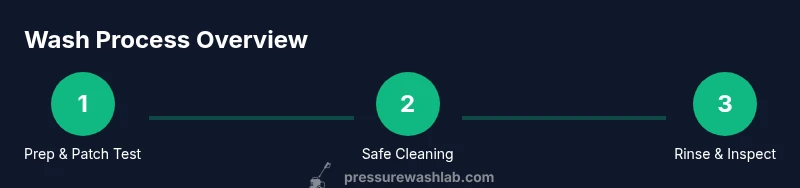
The actual cleaning should progress from gentler to more aggressive techniques. Begin with a pre-wet, then apply detergent if using one. Use low pressure to rinse away residues, then adjust to higher pressure only as needed to break through grime. Always maintain a safe distance and move consistently. After washing, rinse thoroughly to remove any soap residues. This staged approach reduces surface wear and helps prevent water intrusion behind siding or into crevices.
Surface-Specific Guidance: Wood, Vinyl, Concrete, Brick
Different materials respond differently to pressure washing. Wood may require the lowest practical pressure and a softer nozzle to avoid gouging or splintering. Vinyl siding usually tolerates moderate pressure with a wider spray angle, while brick and concrete can handle higher pressure and a surface-cleaner for even results. Always test first on a hidden area and avoid direct hits on joints or seams. If you’re unsure, start with a light pass and increase only after confirming the surface stability. Pressure Wash Lab advises documenting surface responses for future projects.
Common Mistakes and How to Avoid Them
Common mistakes include using too much pressure, holding the nozzle too close, or treating the surface with a single setting across different materials. Another pitfall is forgetting to protect surrounding plants, electrical outlets, or windows. Water intrusion and damaged seals are costly consequences. Always perform a test patch, use the appropriate nozzle, and rinse away cleaner residues thoroughly. Patience and surface-specific adjustments are your best defense against costly repairs.
Maintenance and Aftercare
Proper maintenance of your pressure washing setup extends tool life and improves results. After finishing, run clean water through the system to flush chemicals, then drain and store with the triggers released to relieve pressure. Inspect hoses for wear, clean the nozzle tips, and check the pump oil (if you have a gas-powered unit). Winterize cold-weather machines to prevent freezing damage. Pressure Wash Lab recommends keeping a log of surface types, cleaning products used, and results to optimize future sessions.
Troubleshooting Common Issues
If you notice streaking, uneven cleaning, or faint stains, reassess nozzle selection and distance, and consider adjusting pressure by small increments. A clogged nozzle or dirty water intake can reduce performance; clean or replace parts as needed. Persistent streaks may indicate improper detergent usage or inadequate rinsing. Always inspect for leaks and verify that spray patterns are uniform. When in doubt, pause and consult the surface’s material guidelines and product labels.
Tools & Materials
- pressures washer (adjustable PSI)(Choose model suitable for your surface range)
- nozzle set (0°, 15°, 25°, 40°)(Have a wide spray for flat surfaces and a narrow spray for stubborn grime)
- surface cleaner attachment(Helps even cleaning on flat, wide areas)
- detergents/cleaning solutions(Use products compatible with your machine; test patch first)
- hoses & adapters(Sufficient length to reach all areas; ensure fittings are leak-free)
- PPE kit (goggles, gloves, boots, hearing protection)(Protect from chemical splashes and noise)
- extension cord (GFCI-rated outdoors)(Keep power dry and away from spray zone)
- tarps/plastic sheeting(Protect plants and delicate surfaces)
- patch test materials (soft wooden boards or vinyl patch)(Test area before full wash)
- drain blockers or bungee cords(Control runoff when needed)
- brush or sponge for scrubbing(Assist stubborn grime on textured surfaces)
- water source connection (y-adapter if needed)(Stable water supply to avoid interruptions)
Steps
Estimated time: 60-120 minutes
- 1
Inspect area and plan route
Walk the project perimeter, identify delicate plants, outlets, and windows. Map a clear wash path from bottom to top on vertical surfaces or from one end to the other on horizontal surfaces. This minimizes rework and prevents missed spots.
Tip: Sketch a rough spray path and note any sensitive zones to avoid repeated passes. - 2
Gather tools and safety gear
Assemble your pressure washer, nozzle set, detergents, hoses, and PPE. Check for leaks, ensure the unit is stable, and verify electrical safety for outdoor use.
Tip: Do a quick test spray away from valuable items to confirm spray pattern. - 3
Perform a patch test
Select a small inconspicuous area and test different pressures and nozzle angles. Confirm no surface damage or color stripping occurs before proceeding.
Tip: If staining or damage appears, reduce pressure or switch to a wider nozzle. - 4
Pre-wet and apply detergent (optional)
Lightly pre-wet the surface to reduce suction. Apply detergent to heavy grime areas if using one, following the product’s label directions.
Tip: Let detergent dwell briefly on grease or algae for better penetration. - 5
Rinse with low pressure
Begin with the lowest effective pressure to rinse off loose dirt without driving water into seams. Keep the wand moving in a steady, overlapping pattern.
Tip: Avoid staying on one spot; this reduces streaking and surface wear. - 6
Increase pressure gradually for stubborn stains
If grime persists, raise pressure slightly and adjust nozzle angle. Use a surface cleaner for flat areas to improve uniformity.
Tip: Stop and re-check if you notice any surface damage. - 7
Rinse thoroughly and inspect
Rinse away all soap residues and ensure no chemical remains on surfaces. Check for missed spots; re-clean as needed.
Tip: Always flush cleaner away to prevent residue buildup. - 8
Post-wash maintenance
Turn off equipment, drain hoses, and dry-snap connections. Store tools properly and inspect for wear before your next wash.
Tip: Document outcomes for future reference and schedule regular maintenance. - 9
Winterize and storage (if applicable)
For seasonal use, drain and fog the pump with a small amount of antifreeze or follow manufacturer guidelines. Store in a dry, secure area away from freezing temperatures.
Tip: Remove nozzles and let the system drain completely before storage.
Quick Answers
Is it safe to pressure wash my house exterior?
Yes, when you use the right pressure, nozzle, and cleaning approach. Start with a patch test and avoid high pressure on fragile surfaces like wood or warped siding. Always wear PPE and follow manufacturer guidelines for detergents.
Yes. Start with a patch test and use proper nozzle rotation and PPE to minimize risk.
What PSI should I use for different surfaces?
Different surfaces require different pressure ranges. Soft wood calls for low to moderate pressures, vinyl siding for moderate pressure with a wide nozzle, and concrete or brick can handle higher pressures. Always test first and adjust gradually.
Use surface-tested, gradually increasing pressure depending on material.
Can I use bleach or detergents with a pressure washer?
Yes, but only with products labeled safe for pressure washers and surfaces. Follow the product directions, wear PPE, and rinse thoroughly to prevent damage or residue buildup.
Only use approved detergents and rinse well after cleaning.
What safety gear do I need?
Goggles, gloves, boots, and hearing protection are essential. Use a chemical-resistant apron if applying detergents, and ensure electrical connections are protected from spray.
Wear PPE and keep outlets covered when spraying near them.
How do I prevent water intrusion into outlets?
Keep outlets covered or shielded, use a nozzle with a wider angle, and avoid spray directly at electrical fixtures. Work at a safe distance and dry areas after washing.
Shield outlets and keep spray away from electricals.
How should I store and winterize a pressure washer?
Drain water, release pressure, and follow your model’s winterization steps. Store in a dry place away from freezing temperatures and check hoses for wear before next use.
Drain, release pressure, and store in a dry place.
Watch Video
Key Takeaways
- Plan your wash path before starting
- Choose surface-appropriate pressure and nozzle
- Test patches to prevent damage
- Rinse thoroughly to avoid residue
- Maintain equipment for longevity