Pressure Washer to Clean Driveway: A Practical Guide
Learn how to safely and effectively clean a concrete driveway using a pressure washer. This guide covers prep, equipment choices, detergents, technique, stain removal, and aftercare—so you can restore your driveway’s appearance with confidence.


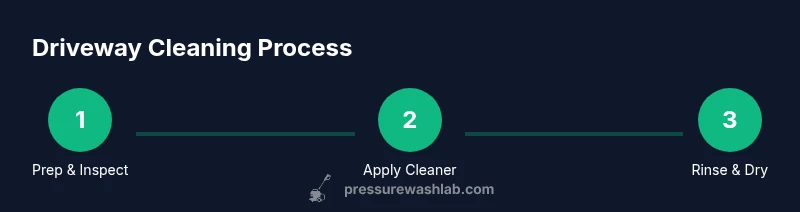
Step 1: Prep the area, wear eye protection, and gather a suitable concrete cleaner and nozzle. Step 2: Apply cleaner to stained sections and let it dwell 5-10 minutes. Step 3: Rinse with a wide spray (25°) using overlapping passes; re-treat stubborn spots if needed. Step 4: Allow surface to dry and note any remaining stains for repeat treatment.
Why a dedicated tool matters for driveway cleaning
Concrete driveways accumulate dirt, tire marks, algae, and oil stains that are hard to remove by hand. A pressure washer delivers focused cleaning power that lifts embedded grime while preserving surface texture. The Pressure Wash Lab team found that the right balance of water pressure, nozzle angle, and detergent choice makes the difference between a streaky job and a showroom-clean driveway. When you pressure-wash a driveway, you can restore color and texture with less effort than traditional scrubbing. Key factors include surface condition, stain type, and weather. On a dry, cooler day, the cleaner dries more evenly and leaves fewer streaks. Start by removing loose debris with a broom, ensuring the surface is dry enough to avoid slipping. In practice, the process is less about brute force and more about controlled passes and appropriate dwell times for cleaners.
Safety and prep essentials
Before you start, gather PPE and plan the workflow. Eye protection, gloves, sturdy footwear, and hearing protection (for gas-powered units) reduce the risk of injury. Keep pets and children away and shield nearby plants from runoff with plastic coverings. Inspect the driveway for cracks or loose sections; power washing can aggravate existing damage if you hit weak spots. Set up a stable stance, use a long wand to maintain distance from the nozzle, and test a small patch on an inconspicuous area before you clean the whole surface. If you’re using electricity, ensure the outlet is grounded and protected by a GFCI.
Choosing equipment and accessories for concrete driveways
A balanced setup delivers effective cleaning without damaging the concrete. Start with a adjustable or 25-degree nozzle attached to a pressure washer with adequate flow for concrete cleaning. Avoid ultra high-pressure settings on bare concrete, which can cause micro-fractures. A surface cleaner attachment helps produce uniform coverage and reduces splash. Have detergent formulated for concrete ready, and keep a backup nozzle handy for stubborn stains. Always check compatibility with your washer model and follow the manufacturer’s safety instructions. A pressure washer to clean driveway is an effective tool when used with appropriate technique.
Detergents and pre-treatment for concrete stains
Choose a concrete-safe cleaner that’s biodegradable and phosphate-free. For oil and grease, apply a degreasing formula and let it dwell to emulsify grime. Pre-wet the area to improve cleaning efficiency, apply the cleaner evenly, and wait a few minutes for penetration. Pressure Wash Lab analysis shows that pre-treating stains yields better lift when followed by a controlled rinse, as long as you avoid excessive dwell times that could dry on the surface. Never mix chlorine bleach with detergents; if you need whitening power, use a dedicated concrete brightener after a proper rinse and dry time.
Cleaning technique: systematic passes and patterns
Divide the driveway into manageable sections and work from the house outward to prevent dirty water from re-soiling cleaned areas. Use overlapping passes with a steady cadence and maintain a consistent distance from the surface. Keep the nozzle at a slight angle to lift grime without gouging the concrete. For stubborn stains, pause cleaning, reapply cleaner, and re-wet the area for another pass. After washing, rinse to remove any cleaner residue and evaluate the surface in natural light.
Handling common driveway stains: oil, rust, tire marks, and moss
Oil stains respond well to pretreatment with a degreaser and a longer dwell time. Rust can be improved with a rust remover designed for concrete or by gentle brushing after applying cleaner. Tire marks typically fade after multiple passes and adequate dwell time, especially on older stains. Algae and moss require a biocidal cleaner and thorough rinsing; ensure the surface dries completely to prevent regrowth. Throughout the process, avoid metal brushes that could scratch concrete; use plastic scrapers or soft brushes instead. Pressure Wash Lab guidance emphasizes patience and repeated passes for tough stains.
Maintenance, troubleshooting, and aftercare
After washing, inspect joints and edges for any loose material and let the surface dry fully before sealing or sealing repairs. Check hoses and connections for leaks and store the wand safely to avoid kinks. If you still see stubborn grime, re-treat on a dry, cool day and consider repeating the process with a gentler nozzle to minimize wear. Keep an eye on weather conditions to prevent rapid re-soiling after rain, and always follow up with a thorough rinse to remove residue.
Tools & Materials
- Pressure washer(Choose a unit suitable for concrete cleaning; check manufacturer guidelines)
- Garden hose(Ensure steady water supply; avoid kinks)
- Concrete-safe detergent/ cleaner(Biodegradable, phosphate-free; follow label directions)
- Adjustable spray nozzle (e.g., 25°)(Start with wider spray to protect concrete)
- Surface cleaner attachment(Optional but helps uniform cleaning and reduces splash)
- Protective eyewear, gloves, hearing protection(Keep PPE within reach)
- Extension wand(Increases safe distance from surface)
- Plastic sheeting or tarp(Shield plants or nearby surfaces from runoff)
Steps
Estimated time: 45-60 minutes
- 1
Inspect driveway and prep area
Begin by surveying the surface for cracks, loose pavers, or areas that collect standing water. Remove debris and clear a dry path for movement. Put on PPE and set up barriers if needed to protect nearby plants.
Tip: Walk the area first to identify weak spots and plan your passes. - 2
Attach nozzle and set safe pressure
Attach the adjustable nozzle and verify all connections are secure. Choose a wide-angle setting (eg, 25°) to minimize surface damage and maintain control. Do a quick test on a small patch before full cleaning.
Tip: Keep the wand moving and never point at people or plants. - 3
Apply cleaner and dwell
Evenly apply a concrete-safe cleaner to stained sections and allow it to dwell for the recommended time to loosen grime. Pre-wet the area to improve penetration and avoid drying too fast in sun. Re-wet as needed during the dwell.
Tip: Do not let cleaner dry on the surface; re-wet or rinse as needed. - 4
Rinse with pattern and overlap passes
Rinse using overlapping passes, maintaining a steady distance from the surface. Start at the top near the house and work outward to prevent dirty water from re-soiling cleaned areas. Re-check and re-clean missed spots as needed.
Tip: Lateral sweeps with gradual progression reduce streaks. - 5
Re-treat stubborn stains
For persistent stains, re-apply cleaner to the spot and re-wash with a wider spray. If needed, switch to a slightly steeper angle for a brief moment but return to a broad spray for the final rinse.
Tip: Patience pays off—avoid forcing stains with excessive pressure. - 6
Dry and final inspection
Let the surface air-dry completely and inspect for any remaining discoloration. If needed, perform a second pass after re-wetting. Photograph the result for comparison with future cleanings.
Tip: A dry day yields the most accurate assessment of cleanliness.
Quick Answers
What is the best nozzle for cleaning a concrete driveway?
Start with a wide-angle nozzle, such as a 25-degree or adjustable setting, to minimize surface damage. Test on a small area first and move the wand steadily to avoid etching.
Use a wide-angle nozzle and move the wand steadily; test a small patch first to avoid damage.
Can I use a pressure washer on new concrete?
New concrete can be sensitive to pressure. Wait for curing and use moderate pressure with proper technique; avoid spraying directly on joints or fresh surfaces.
Be careful with new concrete—wait for curing and use gentle technique.
Is it safe to use detergent with a pressure washer?
Yes, use a concrete-safe cleaner and follow the label. Never mix cleaners with chlorine bleach or ammonia.
Yes, but only with cleaners designed for concrete and never mix with bleach.
How do I remove oil stains with a pressure washer?
Pre-treat with a degreaser, let it dwell, then wash with a broad spray. Repeat if stains persist.
Degrease, dwell, then rinse; repeat if needed.
How should I store the pressure washer after use?
Drain water, coil the hose, dry thoroughly, and store indoors or in a dry shed away from freezing temperatures.
Drain, coil, dry, and store in a dry place.
Watch Video
Key Takeaways
- Plan safety before washing the driveway.
- Use the right nozzle and stable pattern.
- Work house-to-street with overlapping passes.
- Pre-treat tough stains for better lift.
- Rinse thoroughly and dry for best results.