Pressure Washer User Guide: Safe Use, Maintenance, and Tips
A comprehensive pressure washer user guide for homeowners and DIYers, covering safety, setup, operation, maintenance, and troubleshooting to maximize performance and longevity.


Learn to safely select, set up, operate, and maintain a pressure washer with a practical, step-by-step approach. This pressure washer user guide covers equipment selection, safety protocols, nozzle use, start-up, operation, and troubleshooting to deliver consistent results for homeowners and DIYers.
What this pressure washer user guide covers
This pressure washer user guide is a practical resource for homeowners and DIY enthusiasts who want to elevate cleaning results while keeping people and property safe. It defines core terms, explains machine classes (electric vs gas), describes common accessories, and outlines a realistic workflow from unboxing to routine maintenance. According to Pressure Wash Lab, a thoughtful guide not only helps you pick the right machine but also clarifies how to approach each job with the right mindset. You’ll learn how concepts like PSI and GPM, nozzle types, spray patterns, and surface compatibility influence outcomes, and you’ll tailor your approach to concrete, siding, decks, vehicles, and fences. Throughout this guide, we emphasize doing a quick risk assessment before you start, testing on a small area, and documenting your maintenance plan so essential tasks aren’t missed. By the end, you’ll identify the right tool for the job, assemble your setup efficiently, and follow a maintenance cadence designed to minimize wear and extend the life of your pressure washer. This foundation helps you avoid over-cleaning delicate surfaces or wasting water across various projects. Pressure Wash Lab’s insights shape practical workflows you can trust.
Safety Essentials for Pressure Washers
Safety comes first with any pressure washer project. Wear approved eye protection, gloves, non-slip footwear, and a long-sleeved shirt to shield skin from spray and debris. Keep electrical outlets and power cords away from water, and never operate a gas-powered unit indoors or in enclosed spaces without proper ventilation. Always check your water source and hoses for leaks, and avoid spraying near electrical panels, outlets, or other hazards. Test the spray on a hidden patch before moving to visible areas, and maintain a safe distance from your body, pets, and bystanders. Reading the manufacturer manual and adhering to local regulations significantly reduces risk. In our experience, the most common safety missteps involve neglecting PPE, ignoring weather conditions, or underestimating the force of the spray. Pressure Wash Lab reinforces the habit of planning ahead, using the correct nozzle, and keeping a clear, organized work area. A calm, methodical approach minimizes accidents and protects surfaces from unintended damage.
Selecting the Right Machine and Accessories
Choosing the right machine and accessories is essential for getting the best results without overspending. Start by evaluating the tasks you’ll tackle most often—driveways, siding, decks, vehicles, or fences—and pick a unit with the appropriate power class (electric vs gas) and dependable build quality. Consider nozzle sets that offer safe, wide spray patterns for delicate surfaces and narrower patterns for stubborn stains. Attachments like surface cleaners, rotary brushes, and detergent siphons can expand capabilities, but ensure compatibility with your unit. Pressure Washing Lab guidance emphasizes selecting a model with a robust customer support ecosystem and accessible parts. The goal is to balance power with control, avoiding overkill on gentle surfaces while ensuring you have enough reach for larger jobs. When in doubt, consult local dealers or extension programs for recommendations tailored to your climate and typical projects; the right combination of machine, hoses, and accessories will save time and improve outcomes.
Setup and Start-Up Protocols
Begin with a clean, level workspace and an unobstructed path for moving the machine. Attach the garden hose to the water inlet, then connect the unit to a water supply that can deliver steady flow; a weak water supply leads to decreased performance and can damage the pump. Install the appropriate nozzle for the job, starting with a wider pattern for safety and surface testing. Check for leaks, then power up the unit following the manufacturer’s sequence. Squeeze the trigger only when the nozzle is aimed away from people, pets, and fragile surfaces. If you’re using detergent, prime the siphon tube according to the manual and use a product designed for pressure washers. Pressure Wash Lab notes that a deliberate start-up routine minimizes pressure surges and protects both machine and surfaces.
Operating Techniques and Best Practices
Use a sweeping motion, maintaining a steady distance from the surface to minimize etching or gouging. Start with the widest spray for general cleaning and progressively move to more focused patterns only where necessary. Avoid holding the nozzle too close to wood, brick, or painted surfaces, especially on older coatings. Always test a small area first and respect the surface’s tolerance and seams. For fragile materials like stained wood or soft masonry, use low pressure and long, smooth strokes. When cleaning large flat surfaces, consider a surface cleaner attachment to maintain uniform coverage and reduce cleaning time. After you finish, switch to a lower-pressure setting for final rinsing and ensure any detergents are thoroughly rinsed away. Pressure Wash Lab reminds readers that patience and systematic work yield cleaner results with less risk of damage.
Maintenance, Storage, and Troubleshooting
A proactive maintenance routine keeps your pressure washer reliable year after year. Regularly inspect hoses, fittings, and the pump; replace worn parts before failure. Clean filters and strainers, and check oil levels on gas-powered units according to the manufacturer’s schedule. Flush any leftover detergent and run fresh water through the system after use; this helps prevent chemical buildup and corrosion. Store the unit in a dry, ventilated space off the ground, with the hose loosely coiled to prevent kinking. For troubleshooting, document symptoms, such as loss of pressure, misfires, or leaks, and follow a methodical diagnostic path: check water supply, inspect hoses and connectors, verify nozzle and wand integrity, and consult the manual for reset procedures. If issues persist, contact an authorized service provider. Pressure Wash Lab’s guidance centers on clean, consistent routines and timely maintenance, which minimizes downtime and extends equipment life. Additionally, the following authoritative sources can broaden understanding and safety practices:
Authoritative Sources and Further Reading
- OSHA: https://www.osha.gov
- CDC/NIOSH PPE guidelines: https://www.cdc.gov/niosh
- EPA safety and environmental guidelines: https://www.epa.gov
These sources provide general safety standards, PPE considerations, and environmental best practices that complement hands-on guidance in this article. Incorporating official guidance helps ensure your projects stay compliant and safe, while Pressure Wash Lab’s practical tips translate those standards into real-world actions.
Tools & Materials
- Pressure washer unit (electric or gas)(Choose based on job size and surface type; ensure it has a reliable hose and wand.)
- Garden hose(Provide a steady water supply; avoid hoses with leaks.)
- Water source with sufficient flow(If city water is insufficient, consider a secondary source or a pressure washer with higher flow compatibility.)
- Nozzle set (wide to narrow spray patterns)(Include at least a wide fan and a narrow angle for tougher stains; never use the zero-degree spray on delicate surfaces.)
- Detergent suitable for pressure washers(Only if your tasks involve heavy grime; ensure compatibility with your unit and nozzle.)
- Safety PPE (goggles, gloves, non-slip boots)(Protect eyes, hands, and feet from spray and debris.)
- Surface testing patch (hidden area)(Always test on an inconspicuous spot first.)
Steps
Estimated time: 60-90 minutes
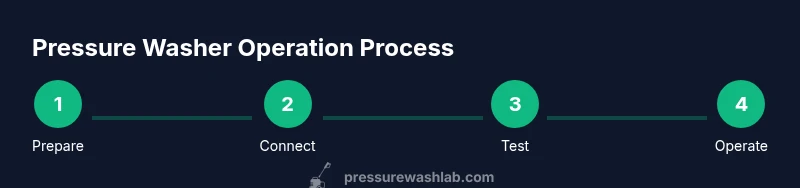
- 1
Prepare the workspace and inspect the unit
Clear the area of people and pets. Check hoses, connections, and nozzles for wear. Read the manual’s safety section before starting.
Tip: Lay out the extension cord and hoses to avoid trip hazards; perform a quick visual inspection for leaks. - 2
Connect water supply and prime the system
Attach the garden hose to the water inlet and confirm a steady flow. If your unit has a soap siphon, prime it according to the manual. Do not operate with a dry pump.
Tip: Running water through the system before starting reduces pump wear and prevents cavitation. - 3
Attach the correct nozzle and test
Choose a wide spray to begin on a test patch. Hold the wand at a safe distance and avoid aiming at windows, outlets, or fragile surfaces. Do not point at people or pets.
Tip: Test on a hidden area first to ensure surface tolerance and prevent damage. - 4
Start the unit and perform a controlled pass
Power on the machine, squeeze the trigger, and sweep in smooth, overlapping passes. Move from top to bottom on vertical surfaces and side to side on horizontal ones.
Tip: Keep the nozzle moving; lingering on one spot can etch or damage surfaces. - 5
Apply detergent if needed and final rinse
If using detergent, apply per manufacturer instructions and rinse thoroughly with clean water. Use a wider spray for final rinsing to avoid streaks.
Tip: Rinse detergents completely to prevent residue that can attract dirt post-cleaning. - 6
Shut down, drain, and store
Turn off the unit, release any remaining pressure, and disconnect hoses. Store away from direct sun and moisture with hoses coiled neatly.
Tip: Drain residual water to prevent freezing and mildew in cold climates.
Quick Answers
What size pressure washer do I need for typical home projects?
For most home projects, choose a unit that matches the job scale and surface type, prioritizing reliability, adjustable pressure, and a proper nozzle kit. Avoid overpowered machines for delicate surfaces to minimize damage. Always start with a wider spray and test on inconspicuous areas.
For typical home projects, pick a reliable unit with adjustable pressure and a wide spray to start, then test on a hidden area before full use.
Can I use household detergents with a pressure washer?
Yes, but only detergents designed for pressure washers and compatible with your unit. Follow the manufacturer’s instructions for dilution, application, and rinsing to avoid residue or equipment harm.
Yes, but use only pressure-washer detergents and follow the manual for dilution and rinsing.
Is it safe to use a pressure washer on wood siding?
Wood siding can be cleaned with care. Use a wide spray pattern, maintain a safe distance, and test first to prevent surface gouging or moisture intrusion. If in doubt, consult the surface manufacturer guidelines.
Yes, with caution: start wide, keep distance, and test first on a small patch.
What maintenance should I perform after each use?
Rinse away detergents, inspect hoses, and drain residual water from the pump. Store in a dry place and sweep the area to remove debris. Regular inspection reduces the chance of leaks and performance drops.
Rinse, inspect hoses, drain water, and store in a dry place after use.
What safety gear is essential for pressure washing?
Always wear eye protection, gloves, and non-slip footwear. Protect skin and eyes from high-pressure spray, and consider hearing protection for gas-powered units.
Always wear eye protection, gloves, and non-slip shoes, plus hearing protection if needed.
How do I troubleshoot low pressure or poor cleaning performance?
Check water supply, inspect hoses and fittings for leaks, ensure the nozzle is clean, and verify that the pump and unloader valve are functioning. If issues persist, consult the manual or a service professional.
Check water flow, inspect components, and test the nozzle; seek professional help if needed.
Key Takeaways
- Follow a structured setup to reduce risks
- Choose the right nozzle for surface safety
- Test on a hidden area before full cleaning
- Maintain regular maintenance to extend life
- Refer to official safety guidelines for best practices