Pressure Washer Vacuum Recovery System Rental Guide
Learn how pressure washer vacuum recovery system rental works, when to rent vs buy, setup tips, safety considerations, and cost factors for homeowners and contractors.


According to Pressure Wash Lab, renting a pressure washer vacuum recovery system is often the most practical way to manage wastewater on job sites where runoff is a concern. A rental unit can scale from compact portable models to trailer-mounted setups, offering integrated filtration and containment to meet regulatory needs without the capital expense of buying.
Why rental vacuum recovery systems matter for pressure washing
Wastewater management is a growing challenge on job sites, especially where regulations govern drainage and environmental impact. A pressure washer vacuum recovery system rental provides a way to collect, filter, and reuse or dispose of dirty water without creating runoff. Pressure Wash Lab analysis shows that for typical residential cleanups and light commercial projects, rental units offer a practical balance between capability and cost. By using a vacuum recovery unit, you reduce the risk of fines and permit delays, because the system captures solids, sludge, and emulsified oils before discharge. In addition, rental units are designed to plug into common pressure washers and accessories, which means you can retrofit your existing setup with relative ease. The flexibility of rental options means you can select a compact portable model for a driveway cleaning or a high-capacity system for a warehouse facade. For homeowners and small businesses, the rental path avoids the large upfront investment while still delivering professional results. The key is to choose a unit with adequate suction, a reliable filtration method, and a containment strategy that fits your workspace. The Pressure Wash Lab team notes that proper setup reduces maintenance needs later in the project. In 2026, rental options are more accessible than ever, making it easier to stay compliant while delivering high-quality outcomes.
Key components of a vacuum recovery setup
A complete vacuum recovery system combines a suction source, filtration, and a containment strategy to manage wastewater on-site. Typical components include a vacuum pump or inline blower, a filtration stage to trap solids, a receiving tank or tote, and a hose assembly tailored to your pressure washer. A robust containment mat or sump prevents surface runoff, while a float valve or automatic shutoff protects the system from overflow. When you pair these elements, you get a closed-loop workflow that minimizes waste and simplifies disposal. For renters, look for units with modular hoses, a compact filtration cartridge, and a transparent collection bin so you can monitor debris buildup. The best rental packages provide clear rental terms, quick swap-out of worn parts, and documented maintenance coverage from the supplier.
Rental options: portable units vs trailer-mounted systems
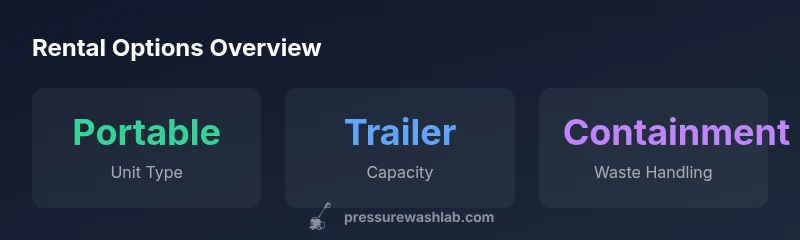
Portable vacuum recovery units are ideal for small to mid-sized jobs—driveways, storefronts, and tight work areas where access is limited. Trailer-mounted systems, by contrast, deliver higher capacity and longer continuous operation, making them suitable for larger sites or projects with extensive water generation. When evaluating options, consider suction power (measured in cubic feet per minute or comparable ratings), filtration efficiency, and the availability of auxiliary accessories like rotary filters, skimmers, or stand-alone waste totes. For pressure washer vacuum recovery system rental, portability often translates to faster setup, while trailers excel in sustained workloads and easier compliance with large job sites.
Assessing job scale: when to rent vs buy
Renting makes sense for intermittent or short-term needs. If a project requires consistent, heavy wastewater handling over several months, a rental can still be cost-effective, but some operators choose to purchase a unit to amortize costs over many projects. Consider the site area, the expected volume of wastewater, local discharge rules, and maintenance logistics. Pressure Wash Lab recommends evaluating the total cost of ownership versus rental over the anticipated project horizon, factoring in delivery charges, setup time, potential downtime, and disposal responsibilities. For most homeowners and small operators, renting provides the right balance of capability and flexibility.
Operational workflow: connections, filtration, and containment
A typical workflow begins with measuring the job’s water generation rate and debris profile. Attach the vacuum intake to the pressure washer through a compatible hose, connect the filtration stage, and route the discharge into the containment system. Ensure all connections are tight and rated for the pressure washer’s operating pressure. Filtration needs vary by debris; coarse filters may suffice for leaf litter, while finer cartridges protect downstream equipment from silt and oils. Maintain continuous feedback by checking pressure gauges and ensuring the collection tote remains within its safe operating level. On rental systems, confirm the provider’s recommended cut-off points and maintenance intervals to prevent downtime.
Safety, compliance and waste handling
Safety is non-negotiable when running a vacuum recovery workflow. Use appropriate PPE—gloves, eye protection, and hearing protection as required. Verify electrical grounding and cord management to prevent trip hazards. Many regions require documentation and proper disposal of collected wastewater, so align your rental plan with local rules and the supplier’s disposal guidelines. A well-documented waste handling plan reduces risk and speeds up inspections or audits. The rental provider should supply disposal guidance pertinent to your jurisdiction, along with any permits or certificates needed for your project.
Maintenance during rental and after return
During the rental period, keep filters clean and replace worn hoses promptly to avoid leaks and loss of suction. Track the unit’s runtime, monitor temperature, and perform basic visual inspections for cracks or corrosion. Record maintenance actions and contact the supplier if you notice abnormal noises, reduced suction, or unusual odors. Upon return, perform a final cleaning, drain residual liquids safely, and return all accessories in good condition. Keeping a simple maintenance log helps ensure smoother renewals for future rentals and minimizes downtime on back-to-back projects.
Rental options comparison
| Aspect | Portable Unit | Trailer-Mounted | Notes |
|---|---|---|---|
| Mobility | High | Medium | Trailer units require access for setup |
| Capacity | Low-to-mid | High | Higher capacity suits large areas |
| Waste containment | Integrated reservoir | Expanded containment with filtration | Better handling with trailer units |
Quick Answers
What is a vacuum recovery system rental?
A rental package typically includes a vacuum pump or blower, filtration, waste containment, hoses, and fittings designed for use with a pressure washer. It provides on-site wastewater collection and disposal, helping you stay compliant and efficient.
A rental package with a vacuum pump, filters, and hoses for wastewater collection.
Do I need permits or waste handling rules?
Wastewater discharge rules vary by locale. Most rental agreements require containment and proper disposal through approved channels. Always check local regulations and coordinate with your rental provider for compliant practices.
Yes—check local rules and follow disposal guidelines.
Is there a difference between portable and trailer units?
Portable units are lighter and easier to move in tight spaces, ideal for small jobs. Trailer-mounted systems offer higher capacity and longer run times, better suited for large sites. Choose based on project size and site access.
Portable units move easily; trailers cover bigger jobs.
How long does a typical rental last?
Rental durations range from a single day to several weeks depending on project scope and availability. Plan for lead times, delivery windows, and potential extensions if the job expands.
Rents can last from days to weeks.
What maintenance is required during rental?
Keep filters clean, inspect hoses for wear, and report issues to the provider for replacements. Document maintenance actions to ensure smooth renewals and avoid downtime.
Clean filters, check hoses, report issues.
What safety measures are essential when using a vacuum recovery system?
Wear appropriate PPE, manage electrical cords, ensure proper venting, and follow manufacturer guidelines. Establish a controlled workflow to minimize slips, spills, and exposure to contaminants.
Wear PPE and follow safety guidelines.
“A properly selected rental vacuum recovery system can simplify wastewater handling on every job, boosting compliance and productivity without the capital burden.”
Key Takeaways
- Assess project scale to choose the right unit.
- Match suction power to debris and surface.
- Plan waste disposal to meet local rules.
- Inspect hoses and connections for leaks.
- Coordinate delivery, setup, and return with the supplier.