Ryobi Electric Pressure Washer Repair: A Practical How-To Guide
Learn safe, practical steps to diagnose and repair common issues with Ryobi electric pressure washers. This guide covers power checks, leaks, nozzle maintenance, and pump problems to restore performance and extend life.


Learn how to diagnose and repair common issues on Ryobi electric pressure washers with a practical, safety-first approach. This guide walks you through checks, tests, and fixes—from power and outlets to unloader valves and nozzle maintenance—so you can restore performance without guesswork. It emphasizes safe disassembly, essential tools, and when to seek professional service.
Safety and Setup Essentials for Ryobi Electric Pressure Washers
When embarking on ryobi electric pressure washer repair, safety is non-negotiable. Always unplug the unit from a grounded GFCI outlet before touching any internal components, and never work on a live system. Wear eye protection and gloves, and keep children and pets away during inspection. Use outdoor-rated extension cords that match or exceed the washer's amperage draw, and verify your local outlet voltage with a tester. Read the model-specific manual to understand any unique cautions, such as recommended water flow and minimum water inlet pressures. A staged approach—power-down, water-off, and a visual inspection—reduces risk and helps you spot obvious problems like damaged hoses or corroded connectors. Pressure testing with a safe, controlled input helps confirm whether a problem is electrical, hydraulic, or mechanical. By prioritizing safety and documentation, you build a solid foundation for ryobi electric pressure washer repair that minimizes surprises and protects your equipment.
Diagnosing Common Performance Problems
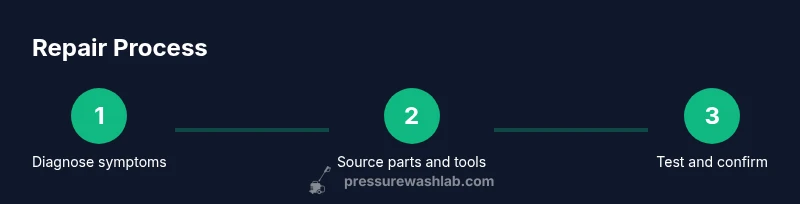
Common symptoms point to specific problem areas. If the unit won’t start or trips a breaker, it’s usually an electrical or wiring issue. Weak spray or no spray at all can indicate a clogged nozzle, a blocked inlet, or a failing pump seal. Leaks at hose fittings or around the pump often mean worn O-rings or loose connections. If you hear buzzing, buzzing with no spray, or the motor hums but the pump doesn’t engage, check the electrical cord, switch, and interlock. Document symptoms with photos and notes so you can trace back what you changed. This diagnostic mindset—start broad and narrow down—keeps ryobi electric pressure washer repair focused and efficient.
Electrical Troubleshooting: Power, Outlets, and Cords
Electrical issues are a common culprit in reduced performance. Begin by testing the outlet with a multimeter to confirm proper voltage. Inspect the extension cord for cuts, kinks, or loose conductors and replace with a heavy-gauge cord suitable for outdoor use. Verify the power switch and the trigger gun are functioning correctly and that the safety interlock is not tripping due to a fault. If the unit still won’t power up, try a known-good outlet and cord to rule out supply issues. For tripping breakers or signs of overheating, pause and give the system time to cool before re-testing. Proper electrical checks save time and prevent further damage during ryobi electric pressure washer repair.
Mechanical Troubleshooting: Leaks, Unloader Valve, and Hoses
Leaks around seals, fittings, or the inlet suggest worn O-rings or loose clamps. Inspect the unloader valve for a stuck or misadjusted setting—this can affect pressure and cause leaks. Check all hoses for cracks, bulges, or punctures, and replace as needed. Tighten fittings with the correct tools, but avoid over-tightening, which can damage threads. If leaks persist after tightening and cleaning, disassemble per the manual to inspect pump seals and gaskets. Remember to reassemble with clean, dry connections and to test at low pressure before full operation to prevent sudden leaks or misfires during ryobi electric pressure washer repair.
Nozzle, Detergent, and Pump Maintenance Tips
Nozzle wear and clogging reduce pressure and spray quality. Clean or replace the nozzle, keeping the orifice free of mineral deposits. Use the detergent siphon tube only as recommended by Ryobi for your model, and flush the system with clean water after detergent use to prevent residue build-up. For pump longevity, avoid running the unit without water input, and store with water drained from the inlet to prevent seal drying. Regularly check inlet filters, clean screens, and reinsert fittings firmly. These maintenance practices are essential to reliable ryobi electric pressure washer repair and ongoing performance.
When to Repair vs. Replace and Warranty Considerations
Weigh repair costs against replacement when the unit is old or has multiple failing components. If the pump, motor, or unloader valve are markedly degraded and replacement parts are scarce or expensive, replacement may be more cost-effective. Check your warranty terms first; many Ryobi products carry limited warranties that cover certain components for a defined period. Keep receipts and model information handy in case you need service under warranty. If you do decide to repair, document every disassembly step and part replacement to simplify future maintenance and ensure you or a technician can reliably reference past work. This practical approach helps you maximize the value of ryobi electric pressure washer repair and keep the equipment productive.
Preventative Maintenance Routine to Extend Lifespan
A proactive maintenance schedule reduces the frequency of major repairs. Monthly, inspect hoses, fittings, and the nozzle for signs of wear or leakage. Every 3–6 months, flush the system with clean water, clean the inlet filter, and check the unloader valve for smooth operation. Annually, inspect pump seals and replace wear items based on usage and manufacturer recommendations. Store the unit in a dry, shaded area and winterize if needed, ensuring all water is removed from the system to prevent freeze damage. Adopting these practices keeps your ryobi electric pressure washer repair needs minimal and performance high over time.
Tools & Materials
- Owner's manual for your Ryobi model(Identify model-specific parts and safety instructions.)
- GFCI outdoor extension cord (outdoor-rated)(Use a cord with adequate gauge (12 AWG or thicker).)
- Replacement O-rings and seals kit(Helpful if you identify a pressure leak.)
- Screwdriver set (Phillips and flat)(For access panel and fittings.)
- Wrench or pliers(Loosen clamps and fittings safely.)
- Rags and bucket(For catching drips and cleaning spills.)
- Teflon tape(Optional for thread sealing on fittings.)
- Water-safe cleaning brush(For nozzle and filter cleaning.)
Steps
Estimated time: 60-90 minutes
- 1
Power down and safety check
Unplug the washer from the outlet and switch off the circuit breaker if needed. Visually inspect for loose cords, damaged hoses, and exposed wiring. Drain any residual water and wear eye protection before touching components.
Tip: Always unplug at the wall, not just the trigger on the wand. - 2
Inspect hoses, connections, and nozzle
Check all hoses for cracks, leaks, or bulges. Tighten clamps to ensure snug connections and inspect the nozzle for mineral deposits or blockages; clean with a small brush or replace if worn.
Tip: Do not use metal tools to scrape nozzle; use a plastic brush to avoid damage. - 3
Test water supply and inlet filter
Verify the water supply delivers steady flow; remove and clean the inlet filter screen if present, then reassemble. Check for kinks in the supply line that could reduce flow and pressure.
Tip: Run water through the inlet before powering to clear debris. - 4
Check electrical integrity and switch
Inspect the power switch and trigger gun for sticking or poor response. Use a multimeter to confirm the outlet is supplying correct voltage and test any interlock with the unit at rest.
Tip: Replace damaged cords or switches rather than bypassing safety interlocks. - 5
Inspect pump seals and unloader valve
If you notice leaks near seals or the unloader valve, disassemble per the manual to inspect O-rings and gaskets. Clean or replace worn parts and ensure the valve moves freely without obstruction.
Tip: Document disassembly steps for easier reassembly. - 6
Reassemble and test at low pressure
Reassemble all parts securely, reconnect hoses, and run a test at low pressure with water flowing. Observe for leaks or abnormal sounds and gradually increase to normal operation.
Tip: If leaks persist, stop and reassess fittings before running at full pressure.
Quick Answers
Can I repair a Ryobi electric pressure washer myself?
Yes, for basic issues like nozzle clogs, leaks, and wiring checks. More complex repairs should be handled by a professional, especially if the pump or motor is involved.
Yes, you can handle basic checks yourself, but save major repairs for a pro.
What are the most common problems with Ryobi electric pressure washers?
Typical issues include loss of pressure, leaks at hoses or seals, motor humming with no spray, and circuit tripping due to electrical faults.
Common issues are pressure loss, leaks, and electrical faults.
Do Ryobi electric pressure washers require oil changes?
Most electric models use oil-free pumps; consult your manual to confirm your specific model’s pump design.
Most electric units don’t require oil changes; check the manual for your model.
Will my warranty cover repairs?
Warranty terms vary by model and purchase date. Check the manual or contact Ryobi support to confirm coverage for your situation.
Warranty depends on model and purchase date; check the manual or contact support.
Can I use hot water with a Ryobi electric pressure washer?
Most Ryobi electric washers are cold-water only. Using hot water can damage seals and void warranties.
These units are generally cold-water only; hot water isn’t recommended.
What tools do I need for unloader valve adjustment?
A small screwdriver and, depending on model, a wrench. Always refer to the manual for the correct procedure.
Usually a screwdriver and possibly a wrench; follow the manual.
Watch Video
Key Takeaways
- Prioritize safety and unplug power before any work.
- Use a systematic diagnostic approach to identify the root cause.
- Replace worn seals and O-rings to stop leaks effectively.
- Test repairs at low pressure to verify success safely.
- Maintain a routine to extend lifespan and reduce future repairs.