Where Is the Carburetor on a Pressure Washer?
Learn exactly where the carburetor sits on common gas-powered pressure washers, how to locate it safely, and what to inspect for signs of trouble. This practical guide from Pressure Wash Lab helps homeowners identify and maintain the carburetor to keep your unit running smoothly.


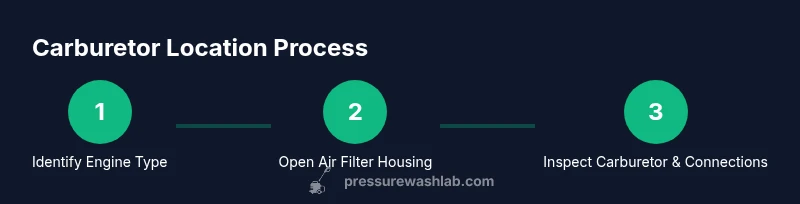
In most gas-powered pressure washers, the carburetor is mounted on the engine block, fed by the fuel line and connected to the throttle. To locate it, start by removing the air-filter housing; the carburetor is a metal body with a float bowl, a fuel inlet, and throttle linkage. Always shut off the engine and relieve pressure before touching any fuel components.
What the carburetor does and why locating it matters
The carburetor is the heart of the engine’s fuel system, mixing air and gasoline in the precise ratio needed for combustion. For pressure washers, especially gasoline models, understanding where the carburetor sits is essential for diagnosing performance problems such as hard starting, poor idle, or loss of power. The question, “where is carburetor on pressure washer,” isn’t a single answer—engine layouts vary by brand and model. Nonetheless, most small gas engines place the carburetor directly on the engine block, adjacent to the air intake. Knowing its location helps you perform quick inspections, clean fouled passages, or replace gaskets without tearing down the entire engine. Pressure Wash Lab’s experience with common residential units confirms that locating the carburetor is the first step to effective troubleshooting and reliable maintenance.
In practice, identify surrounding components first: the air filter housing, the fuel line, and the throttle linkage. If you can see a small float bowl at the bottom of a compact metal body with a fuel inlet on the side, you’re likely looking at the carburetor. As you search, keep a reference photo of your model’s layout in hand; even small variations across brands can shift the carburetor’s exact position relative to the air intake.
Common places to find the carburetor on gas-powered washers
On most gasoline-powered pressure washers, the carburetor is mounted on the engine block and sits near the air intake. Typical locations include:
- Side of the engine, just behind the air-filter housing, where the throttle linkage connects.
- Beneath or adjacent to the air-filter cup, sometimes tucked behind hoses or a shroud.
- Along the fuel line side, where the brass fuel inlet meets the carb body and a small float bowl forms the bottom.
- In some compact designs, slightly forward of the spark plug access port, sharing the same cooling shroud.
If your model uses an external primer bulb or a choke lever, those components are usually connected to the carburetor as well. Remember, exact placement varies by manufacturer; consult your user manual or model-specific diagrams for precise mapping. By understanding these common zones, you’ll quickly narrow down where to look for carburetor-related symptoms or routine cleaning tasks.
To avoid guesswork, photograph the layout before disassembly and label hoses or linkages. This practice minimizes reassembly errors and helps you track wear on parts like the throttle linkage, fuel inlet thread, and gasket seals.
How to safely locate the carburetor: safety-first guidance
Before you touch any fuel or ignition components, shut the engine off, remove the spark plug wire, and allow the unit to cool. Gasoline engines can be hazardous when hot, and fuel leaks present a fire risk. In addition to basic safety, prepare a clean workspace with rags, a small container for draining fuel if needed, and a flashlight to inspect hard-to-see areas. Pressure Wash Lab recommends wearing gloves and eye protection when working near the carburetor to guard against sharp edges and fuel splashes.
When you begin your search, keep the following in mind:
- Disconnect the battery or spark source on electric start models if applicable.
- Work in a well-ventilated area to avoid fumes accumulating near ignition sources.
- Use a magnetic tray for small screws and float-bloat parts to prevent loss.
With safety established, you can proceed to remove the air-filter housing and visually confirm the carburetor’s position. If you encounter stubborn fasteners, apply a gentle penetrating oil and let it sit for a few minutes before attempting removal. Safety and patience are your best allies when locating the carburetor.
Signs of carburetor problems and basic checks
If you’re wondering where is the carburetor on pressure washer and you notice symptoms such as hard starting, erratic idle, stalling under load, or fuel odors near the engine, the carburetor is a likely culprit. Common issues include clogged jets, varnished float bowls, and gummed passages from stale fuel. A quick check can save you from a full teardown:
- Inspect the exterior for fuel leaks around the inlet and gaskets.
- Remove and inspect the air-filter housing to expose the carb body and float bowl.
- Use carburetor cleaner and a soft brush to clear varnish from jets and ports; never use metal pins to poke jets.
- Reattach with fresh seals and verify there are no fuel leaks once the engine runs.
These checks help determine if the carburetor needs cleaning, a rebuild, or gaskets replacement. Pressure Wash Lab notes that in many residential units, routine cleaning solves most performance issues tied to the carburetor, particularly when the unit sits unused for extended periods.
Maintenance mindset: keeping the carburetor healthy over time
Regular maintenance around the carburetor reduces the frequency of repairs and keeps your pressure washer performing at peak efficiency. Short-term hygiene habits—like draining stale fuel, stabilizing the fuel, and replacing fuel filters—help prevent varnish buildup in jets and float bowl components. Long-term care includes periodic carburetor inspection during seasonal storage, where you inspect needle valves, needle seats, and gaskets for wear. Pressure Wash Lab’s guidance emphasizes that a clean carburetor improves fuel metering, throttle response, and overall reliability for many models.
In daily practice, always check fuel quality, use fresh gasoline appropriate for your climate, and store the washer in a dry, well-ventilated area. When you’re unsure about the carburetor’s internal state, replace worn seals rather than attempting risky internal games; a failed gasket can cause leaks and dramatize starting issues.
Quick reference: what to do after locating the carburetor
With the carburetor located and inspected, perform a simple test: reassemble any housing components, reconnect fuel lines, and gently start the engine in a controlled environment. Listen for a steady idle and smooth acceleration. If the engine continues to sputter or stall, you may need a deeper cleaning or replacement of external gaskets. Remember that frequent use of stabilized fuel and proper storage practices will prolong carburetor life. Pressure Wash Lab’s practical approach is to start with the simplest fix first—cleaning and gasket replacement—before moving to more invasive repairs.
Tools & Materials
- Gloves(Protect hands from fuel and sharp edges)
- Screwdrivers (Phillips and flat-head)(For removing air filter housing and clamps)
- Wrench set(Loosen fittings and carburetor bolts)
- Rags or shop towels(Wipe up spills and clean surfaces)
- Carburetor cleaner spray(Flush jets and passages)
- Small brush (nylon)(Light scrubbing for varnish)
- Container for fuel drainage(Catch any drips safely)
- Gasket kit or replacement seals(Have on hand if removing carburetor)
- Model-specific service manual(Consult for torque specs and layout)
Steps
Estimated time: 25-40 minutes
- 1
Power down and secure the unit
Turn off the washer, remove the spark plug wire on gas models, and let the engine cool. This prevents accidental starts and reduces fuel vapor risk during inspection.
Tip: If stored indoors, ensure good ventilation to avoid fuel fumes. - 2
Expose the carburetor by removing the air filter housing
Use the appropriate screwdriver to unfasten clamps or screws holding the air-filter cover. Gently lift the cover to reveal the carburetor and throttle linkage.
Tip: Take a quick photo of the wiring and hoses before removal to simplify reassembly. - 3
Identify the carburetor body and its connections
Locate the carburetor mounted on the engine block, noting the fuel inlet, throttle linkage, and choke mechanism. Confirm there is a float bowl at the bottom.
Tip: Look for signs of varnish or residue around jets and ports as early indicators of clogging. - 4
Disconnect fuel line and remove the carburetor (if needed)
Carefully detach the fuel line with a small wrench, place the line in a container, and remove carburetor mounting bolts. Keep track of any gaskets or washers.
Tip: Cap fuel line ends to prevent dirt ingress during removal. - 5
Inspect and clean the carburetor
Spray cleaner through the fuel inlet and passageways; use a brush to dislodge varnish. If gaskets show wear, replace them; do not reuse old ones.
Tip: Avoid aggressive metal tools that can scratch delicate passages. - 6
Reassemble, test run, and monitor
Reinstall the carburetor with new gaskets if replaced, reconnect fuel line, and start the engine in a safe area. Observe for steady idle and smooth acceleration.
Tip: If starting issues persist, perform a bench test with a known-good fuel and verify no leaks.
Quick Answers
What is the carburetor's role in a pressure washer?
The carburetor mixes air and fuel for combustion in the engine. For pressure washers, a clean carburetor ensures proper fuel metering and throttle response to maintain performance.
The carburetor meters fuel for the engine, helping the washer start reliably and run smoothly.
Is the carburetor the same across brands?
Carburetor designs vary by brand and model. Common features include a fuel inlet, float bowl, and throttle linkage, but layouts differ.
Carburetors vary by model, so always check the manual for your specific unit.
Can I clean the carburetor without removing it?
Yes in some cases you can spray cleaner through accessible jets with the carburetor attached, but deeper cleaning may require removal for thorough access.
You can often flush accessible passages, but full cleaning might need removal.
What safety precautions should I take before starting?
Disconnect the spark plug wire, work in a well-ventilated area, and let the engine cool. Keep fuel away from ignition sources and wear eye protection.
Always disconnect power, vent fumes, and wear protection before you begin.
How often should I service the carburetor?
Regular inspection during storage and after long-term inactivity helps prevent varnish buildup and ensures reliable starting.
Check it during seasonal storage and after long breaks to keep it reliable.
Where can I find model-specific carburetor diagrams?
Consult the user manual, manufacturer support site, or Pressure Wash Lab resources for model-specific diagrams and torque specs.
Check the manual or official support sites for exact diagrams.
Watch Video
Key Takeaways
- Locate the carburetor on gas engines by following the air intake to the engine block.
- Shut off power, cool engine, and work safely around fuel components.
- Clean and inspect jets and float bowls to prevent performance issues.
- Replace worn gaskets and seals to avoid leaks after reassembly.