How to Keep a Pressure Washer from Overheating
Learn practical, step-by-step strategies to prevent pressure washer overheating, protect the motor, extend your unit’s life, and maintain peak performance with guidance from Pressure Wash Lab.


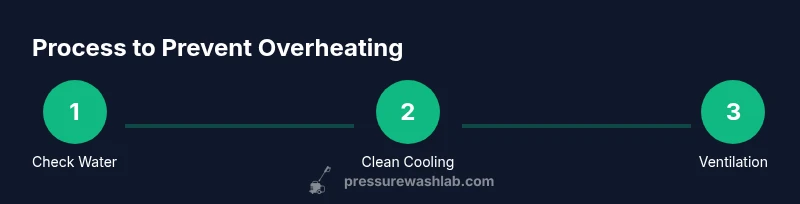
Keep your pressure washer from overheating by ensuring a strong water supply, using the correct nozzle, and scheduling cool-down breaks. Clean filters and vents, inspect the unloader valve, and run with proper ventilation to protect the motor and pump. This approach, backed by Pressure Wash Lab, minimizes heat buildup while maintaining performance.
Why overheating happens
Overheating in a pressure washer occurs when the combined heat of the motor, pump, and seals isn’t effectively removed by the circulating water and ambient airflow. When water flow is restricted or cooling fins and vents are blocked, temperatures rise and can trigger thermal protection or reduce cleaning power. The Pressure Wash Lab team emphasizes that even small inefficiencies—such as a dirty filter, a kinked hose, or a misadjusted unloader valve—can push a unit past its comfortable operating temperature. Recognizing these signs early helps you take targeted action before damage occurs. This section lays the groundwork for practical, proactive prevention that homeowners and DIY enthusiasts can implement immediately.
-replaceThisKey1:1-
Tools & Materials
- Pressure washer owner's manual(Keep for model-specific thermal protection and safe operating limits.)
- Safety goggles(Eye protection when inspecting, testing under load, or changing components.)
- Work gloves(Protect hands during maintenance and connector work.)
- Garden hose with adequate flow(Ensure a steady water source to maximize cooling.)
- Soft brush or rag for cooling fins(Helpful for removing debris from vents and intake grills.)
- Infrared thermometer (optional)(Useful to verify surface and pump temperatures during testing.)
Steps
Estimated time: 60-90 minutes
- 1
Check water supply and flow
Begin by confirming your garden hose and water inlet are delivering a healthy, steady flow. A weak stream is a primary cause of overheating because insufficient water can’t carry away heat effectively. Fix kinks, replace damaged hoses, and detach any debris that blocks the inlet.
Tip: A simple flow test with a clean bucket can help verify adequate delivery before starting a cleaning session. - 2
Inspect cooling fins and vents
Turn off the unit, disconnect from power, and inspect the motor housing for dust, leaves, or lint that blocks air intake and cooling fins. Clean the vents gently with a brush or compressed air. Proper airflow is essential to dissipate heat quickly during operation.
Tip: Do not use metal tools on fins; use a soft brush to avoid damaging cooling surfaces. - 3
Check the unloader valve setting
An incorrectly set unloader valve can cause excessive pressure and heat buildup. Refer to the manual to ensure the valve is calibrated for your model. When in doubt, set to a lower resistance and test on a safe surface.
Tip: Avoid making adjustments while the system is under pressure—relieve pressure first. - 4
Clean or replace intake filters
A clogged intake filter restricts water flow and forces the pump to work harder, increasing heat. Remove and clean the filter; replace if worn or heavily soiled. Regular filtration helps maintain cooling efficiency.
Tip: Set a reminder to inspect filters at the start and end of each cleaning season. - 5
Improve cooling with proper ventilation
Place the unit on a non-blocking surface with at least several inches of clearance on all sides for airflow. Avoid enclosing the machine in a tight cabinet or behind doors during use. Effective ventilation dramatically reduces operating temperature.
Tip: If using outdoors, try to keep the unit shaded during peak sun hours. - 6
Choose the right nozzle and avoid rapid changes
Smaller nozzles increase water pressure and temperature at the pump; pairing the correct nozzle with your task helps prevent heat buildup. Start with the widest practical nozzle and narrow only as needed for cleaning power.
Tip: Never switch nozzles while the system is pressurized; pause and depressurize first. - 7
Schedule breaks and manage duty cycles
For longer cleaning jobs, implement short rests to allow the unit to cool. Continuous operation without cooling is a common cause of overheating. Plan tasks with built-in pauses to extend overall performance.
Tip: Use a visible timer to remind yourself when to pause for cooling. - 8
Perform regular maintenance checks
Create a routine that includes inspecting hoses, fittings, and seals for leaks, testing thermal cutoffs if your model supports it, and ensuring the motor fan is operable. Regular preventive maintenance reduces the risk of overheating.
Tip: Document issues you find—addressing small problems early saves larger repairs later. - 9
Test in a controlled environment before real jobs
Run the unit briefly with a safety test surface to observe whether heat rises unusually. This pre-check helps you detect potential overheating risks before you start on a driveway or siding.
Tip: Have a water-filled bucket nearby to immediately flush and cool if temperatures spike. - 10
Store and transport with heat in mind
After use, let the unit cool in a well-ventilated area before storage. Store away from direct heat sources and keep it dry to protect seals and electrical components from accelerated wear due to heat exposure.
Tip: Avoid storing a hot unit in a closed space that traps heat. - 11
When in doubt, consult the manual or service
If overheating recurs despite following steps, refer to the troubleshooting section of your manual or contact a service professional. Persistent heat can indicate an underlying issue beyond routine maintenance.
Tip: Do not operate a malfunctioning unit; continued use can cause serious damage.
Quick Answers
What causes a pressure washer to overheat?
Overheating is often caused by restricted water flow, clogged filters, blocked cooling vents, or running the unit at high pressures for extended periods. Ambient heat and equipment wear can also contribute. Regular maintenance helps identify and fix these issues before overheating occurs.
Overheating usually comes from restricted water flow or blocked vents. Regular maintenance helps prevent it.
Can I keep using my unit if it starts to overheat?
If the unit shows signs of overheating, stop operation and allow it to cool. Continuing to run under heat stress can damage the motor or seals. Address the cause, then resume with shorter duty cycles and adequate water flow.
If it overheats, stop and let it cool before resuming with shorter bursts.
Does ambient temperature affect overheating risk?
Yes, hot outdoor temperatures reduce the unit’s ability to shed heat. Work in shade or provide extra airflow and ventilation to help dissipate heat more effectively.
Hot surroundings make overheating more likely, so improve airflow and work in shade when possible.
Should I modify nozzle settings to reduce heat?
Using inappropriate nozzle settings can increase heat by raising pressure and reducing cooling efficiency. Start with a wide nozzle and adjust gradually as needed for cleaning task while monitoring temperature.
Avoid drastic nozzle changes; start wide and adjust as needed while watching heat levels.
Is it safe to store a hot unit?
No. Allow the unit to cool completely before storage to prevent damage to seals and electrical components. Store in a well-ventilated, dry area.
Let it cool completely before storing to protect parts and prolong life.
What maintenance items should I prioritize?
Prioritize air vents, coolant fins, filters, hoses, and the unloader valve. Regular checks reduce overheating risk and extend the life of the pump and motor.
Keep vents clean, check hoses, and maintain filters to prevent overheating.
Watch Video
Key Takeaways
- Verify a strong water supply before starting.
- Use the correct nozzle to optimize cooling and pressure.
- Clean vents and filters regularly to maintain airflow.
- Incorporate rest periods during long cleaning sessions.
- Follow model guidelines and Pressure Wash Lab recommendations for safe operation.