Rent Electric Pressure Washer: A Practical How-To Guide
Learn how to rent an electric pressure washer, choose the right model, inspect rentals, operate safely, and maximize value for DIY home tasks. A homeowner-friendly workflow from Pressure Wash Lab.


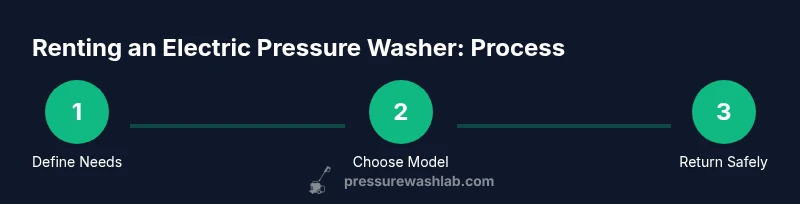
You’ll learn how to rent an electric pressure washer, choose the right PSI/GPM for your project, and follow a safe, simple process from pickup to return. This quick guide covers evaluating needs, checking rental terms, inspecting equipment, and using the unit confidently for common outdoor cleaning tasks.
Why renting an electric pressure washer makes sense
Renting an electric pressure washer is a smart option for homeowners and DIY enthusiasts who want powerful cleaning without the long-term commitment of ownership. Pressure Wash Lab reminds readers that rentals shine for short tasks like driveway cleaning, deck restoration, or siding refreshes where storage space and maintenance budgets are factors. Electric models are typically lighter, quieter, and easier to start than gas-powered units, and they produce fewer emissions—an important consideration for shared spaces. Renting also gives you access to newer features, often including adjustable pressure, compatible nozzle sets, and safety features you can trial before buying. For renters and small crews, this approach minimizes downtime and maximizes project speed, while avoiding depreciation and maintenance costs.
How electric vs. gas compare for rental use
Electric pressure washers are best for light- to medium-duty cleaning tasks on concrete, wood, vinyl, and metal surfaces. They generally offer lower PSI (pounds per square inch) and a suitable GPM (gallons per minute) for residential work, which reduces overspray risk and prevents surface damage when used correctly. Gas models deliver higher PSI and longer run times, making them suitable for heavy-duty jobs or commercial work—but they come with higher noise, fumes, and maintenance demands that may not be necessary for typical home projects. When you’re renting, prioritize models with adjustable PSI and a reliable cord length, then match the tool to the task rather than chasing maximum power.
Key specs to prioritize when you rent
- PSI and GPM balance: For patios, siding, and gentle masonry, look for models in the 1,500–2,000 PSI range with 1.5–2.0 GPM. For tougher surfaces or stubborn stains, consider up to 2,000–2,300 PSI but ensure you have appropriate nozzle tips and surface compatibility.
- Motor type and cord length: An induction motor is common in residential work and runs cooler and quieter. Check that the cord length accommodates your cleanup area, and verify access to a grounded, outdoor-rated outlet (GFCI-protected).
- Nozzle kit and compatibility: A set of 0°, 15°, 25°, and soap nozzles gives you versatility. Ensure quick-change nozzles are included and fit the unit.
How to select a rental provider and understand terms
Look for reputable rental centers or big-box outlets with clear policies on deposit requirements, fuel or detergent usage, on-site training, and return deadlines. Read the warranty or condition notes for the unit, and ask whether the rental includes basic accessories like a hose, spray wand, and nozzle tips. Confirm if you’ll be charged for extra wear, late returns, or missing components. If you’re unsure about a policy, ask for a written explanation—clarity prevents surprises at checkout.
What to inspect on pickup and before return
- Inspect the unit for cracks, leaks, and loose fittings; test the trigger gun and wand in a safe area.
- Verify the nozzle tips are present and clean; confirm that the spray pattern is smooth and consistent.
- Check electrical safety: the cord should be intact and the plug dry; ensure the unit is GFCI-rated and that you have a weatherproof extension cord if needed.
- Document the condition with photos or notes at pickup and return to avoid disputes over wear.
- Confirm the rental period, pickup time, and return window; ask about late fees or extendability if your project drags.
Safe operation and recommended safety gear
Always wear eye protection, gloves, and sturdy footwear. Keep spectators at a safe distance, cover delicate plants, and avoid pointing the spray at people, pets, or electrical outlets. Ground yourself by standing on dry ground and never operate the machine above shoulder height. Use the lowest effective PSI on surfaces that could be damaged, and never use a stiff or damaged hose where it can whip and cause injury. If there is a splash or spray hazard, pause and reassess your setup.
Practical workflow for common tasks
For a concrete driveway or sidewalk: start with a wider spray pattern, then gradually tighten to remove embedded dirt. For wood decks, use a lower PSI and test on an inconspicuous area first to avoid gouging the surface. For vinyl siding, hold the wand at a slight angle to avoid forcing water behind panels, and rinse from top to bottom to prevent streaking. If you encounter stubborn stains, a targeted nozzle and a mild detergent compatible with the rental unit can improve results without redeploying harsh chemicals.
Cleaning, storage, and maintenance after use
Flush the system with clean water after rinsing away cleaning agents. Release any remaining pressure and disconnect power before storage. Drain hoses and dry components to prevent rust or mold growth. Coil the hose neatly and store the unit in a dry, ventilated area away from direct sun. If you drop the unit or notice unusual performance, report it to the rental outlet immediately to avoid disputes at return time.
Cost considerations and value for money
Renting can be a cost-effective choice if you have a few cleaning tasks spread over a short period. Compare daily or weekend rates, but remember to factor in deposits, cleaning fees, and potential penalties for late returns. If your project is longer than a few days, ask about extended rental pricing or discounts for multi-day use to maximize value while staying within your budget.
Common rental pitfalls and how to avoid them
- Overestimating power: Higher PSI isn’t always better; wrong pressure can damage surfaces.
- Missing accessories: Ensure nozzle tips, wand, hose, and battery or power cords are included before driving away.
- Inadequate safety measures: Always wear PPE and follow manufacturer guidelines to avoid injury.
- Inaccurate timing: Build in buffer for weather, access, and setup when planning a rental period.
When to rent vs. hire a pro
For routine cleaning or maintenance tasks that don’t require heavy cleaning power, renting is typically the most economical choice. If you face extensive exterior restoration, stubborn deep stains, or delicate materials, a professional service may deliver faster, more consistent results with less risk of surface damage. Use a rental as a test run to gauge whether you need ongoing support or a longer-term solution.
Tools & Materials
- Electric pressure washer (rental model with adjustable PSI/GPM)(Confirm PSI range suits your task; ensure nozzles included and that the cord length matches your working area)
- Outdoor-rated extension cord (12 AWG or better)(GFCI-protected outlet required; keep cord off wet surfaces)
- Appropriate spray nozzle set (0°, 15°, 25°)(Check compatibility with the rental wand and quick-change system)
- Garden hose or water source with proper adapter(Ensure a steady water supply; avoid running a washer from a dead water source)
- Safety gear (eye protection, gloves, closed-toe shoes)(Essential PPE to prevent injury from high-pressure spray and debris)
- Detergent compatible with pressure washer(Only if the rental allows detergents; use manufacturer-approved products)
- Camera or app to document condition(Useful for notes at pickup/return to prevent disputes)
- Owner’s manual or rental contract(Review safety instructions, warranty terms, and return policy)
Steps
Estimated time: 2-7 days
- 1
Define the scope and required power
Assess the surface type, stains, and area size to determine the PSI/GPM range you’ll need. A quick plan prevents overpaying for power you won’t use.
Tip: Start with the lowest effective PSI to protect surfaces and avoid overspray. - 2
Locate a reputable rental outlet
Search nearby hardware stores or dedicated rental centers with clear policies and equipment checklists. Confirm pickup times and return terms ahead of time.
Tip: Ask about deposit requirements and built-in safety instructions at pickup. - 3
Inspect the unit before leaving
Check hoses, fittings, and the wand for wear; power on the unit in a safe area and verify spray consistency. Take photos for reference.
Tip: Note any cosmetic or functional defects to avoid disputes on return. - 4
Test the setup and begin on a small area
Connect to water, attach nozzle tips, and test on a hidden patch before proceeding. Start with a broad spray and fine-tune.
Tip: Keep nozzle at a safe distance and use a sweeping motion. - 5
Perform the work with care
Move systematically across the area, avoiding windows, electrical outlets, and plants. Pause if you notice surface damage and adjust PSI.
Tip: Take breaks to prevent overheating if the unit has limited runtime. - 6
Return the unit promptly and in good condition
Drain hoses, wipe surfaces, and ensure everything is accounted for. Confirm the return time and location with staff.
Tip: Document the return condition with photos for your records.
Quick Answers
Can I rent an electric pressure washer for a weekend?
Yes, many rental outlets offer daily or weekend rates. Check your chosen location’s terms and whether there are any additional fees for short-term use.
Yes—most outlets offer weekend or short-term rentals; confirm the policy and any weekend-specific fees.
Do I need any special license to rent a pressure washer?
No special license is required for standard residential electric pressure washers. Operators should follow safety instructions and manufacturer guidelines.
No license is usually required; just follow safety guidelines and the manual.
What PSI is appropriate for most home tasks?
Most home tasks do well with 1,500–2,000 PSI, paired with 1.5–2.0 GPM. Always start at the lowest effective setting and adjust as needed.
Start around 1,500 PSI and adjust to the job; test on a small area first.
What happens if the unit stops working during my job?
Pause, unplug, and inspect for obvious issues (cord, nozzle, or water supply). If unresolved, contact the rental outlet for guidance or replacement.
If it stops working, unplug it and check basics; contact the rental outlet for help if needed.
Is renting cheaper than hiring a pro for occasional tasks?
For occasional tasks, renting often saves money compared to hiring a pro, especially when you only need a quick clean. For complex or large jobs, professionals may deliver faster results.
For occasional tasks, renting is usually cheaper; for big jobs, a pro might be faster.
What should I do to protect surfaces when using a washer?
Test on an inconspicuous area first, use the correct nozzle, maintain a proper distance, and work with a sweeping motion to avoid gouging or etching.
Test first, use the right nozzle, and keep a safe distance from surfaces.
Watch Video
Key Takeaways
- Rent only what you need by matching PSI/GPM to the task.
- Inspect equipment thoroughly to prevent disputes at return.
- Prioritize safety gear and proper electrical setup.
- Plan your rental duration with a buffer for pickup/return.
- Decide between renting for DIY tasks versus hiring a pro depending on scope.